

Archive · 25 Sep 2026
Iran Offers Seven-Day Plan for Hormuz, Nuclear Talks
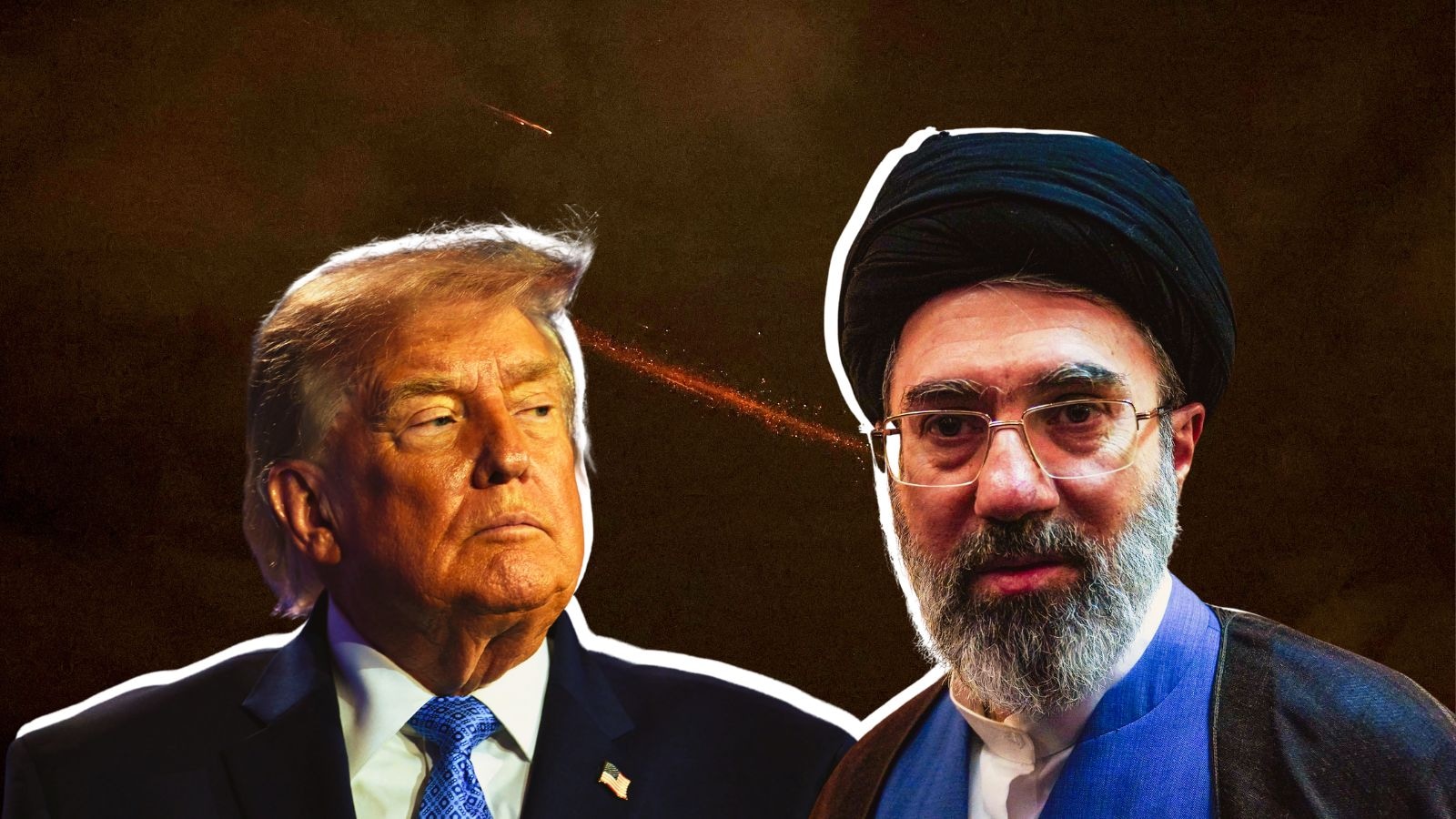
Iran says it has offered the United States a seven-day plan to reduce or stop the fighting.
The plan would reopen the Strait of Hormuz after seven days if certain conditions were met.
The strait is an important route for ships carrying oil.
Iran says the plan is based on an agreement discussed by the two countries in June.
One report says the new plan would also end fighting in Lebanon and ease financial and oil restrictions on Iran.
After the strait reopened, the countries would restart broader talks about Iran’s nuclear program.
The United States says its discussions with Iran are positive but that it is not rushing to agree.
The two countries still disagree about who should control the waterway and how to prevent Iran from building a nuclear weapon.

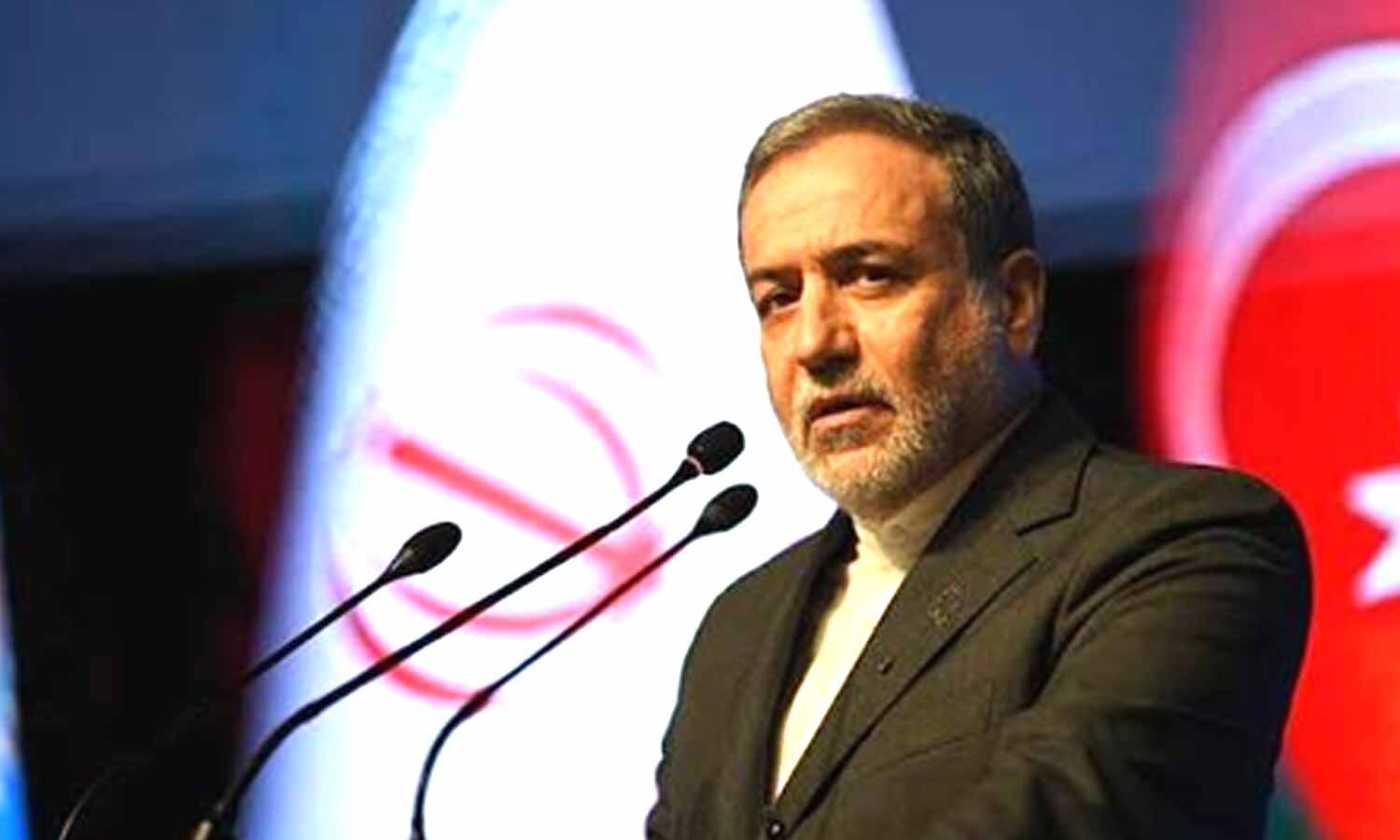
Iranian Foreign Minister Abbas Araghchi said Tehran proposed a seven-day process to end hostilities, reopen the Strait of Hormuz and restart negotiations with the United States.
The proposal was delivered through mediators during discussions on the sidelines of the United Nations General Assembly in New York.
Iran says the plan builds on the June memorandum of understanding, also called the Islamabad Memorandum in one report, but compresses its timeline from 60 days to seven.
Reported terms include ending hostilities, including in Lebanon, releasing at least $12 billion in frozen Iranian assets, waiving sanctions on Iranian oil and lifting a naval blockade.
The United States described discussions as positive and constructive but said it was not rushing; disagreements remain over control of Hormuz and safeguards for Iran’s nuclear program.
- Who
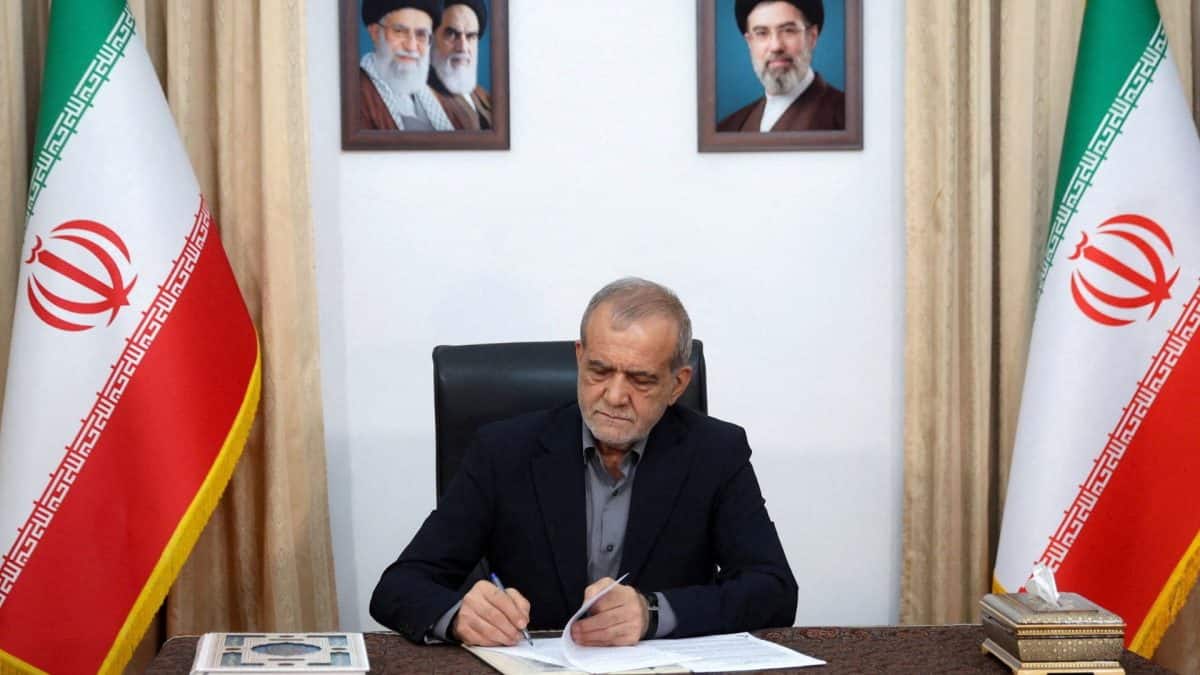
- Iranian Foreign Minister Abbas Araghchi proposed the plan to the administration of United States President Donald Trump; Iranian President Masoud Pezeshkian also defended Tehran’s position.
- What
- A reported seven-day process to end hostilities, reopen the Strait of Hormuz and resume negotiations on Iran’s nuclear program.
- When
- Araghchi announced the proposal on September 24 during the United Nations General Assembly; the plan would begin after acceptance and reopen the strait on the seventh day.
- Where
- The proposal concerns the Strait of Hormuz and talks between Iran and the United States, conducted through mediators in connection with meetings in New York.
- Why
- Iran says diplomacy requires an end to military pressure, while the United States seeks safeguards against Iran developing nuclear weapons and wants terms for ending the conflict.
Iran’s Position
United States’ Position
Hormuz administration
Iran’s Position
Iran says the strait can reopen after agreed conditions and rejects being portrayed as responsible for insecurity there. Tehran interpreted the June understanding as recognizing Iranian control.
United States’ Position
The United States and its regional partners reject Iran’s interpretation that the June understanding recognized Iranian control of the strait.
Nuclear program
Iran’s Position
Iran says it will not seek nuclear weapons and must retain the right to develop peaceful nuclear technologies.
United States’ Position
The United States says safeguards are necessary to ensure Iran cannot develop a nuclear weapon.
Negotiations and military pressure
Iran’s Position
Iran says talks cannot proceed under threats or force and blames US and Israeli military action for undermining the June settlement.
United States’ Position
President Donald Trump has demanded an agreement to end the conflict and has said US involvement was intended to prevent Iran from developing nuclear weapons.
- Proposed timeline
- The Strait of Hormuz would reopen at the end of the seventh day if specified conditions were met.
- Diplomatic channel
- Iran says it sent the proposal through intermediaries during indirect discussions with US officials.
- June framework
- Araghchi said the plan was based on or similar to a June memorandum of understanding; one report called it the Islamabad Memorandum.
- Reported concessions
- Reported terms include releasing at least $12 billion in frozen Iranian assets, waiving sanctions on Iranian oil and lifting a naval blockade.
- Energy route
- Between one-fifth and one-quarter of global oil supplies ordinarily pass through the Strait of Hormuz.
- US response
- An American official described discussions through mediators as positive and constructive, while saying Washington was not rushing into a deal.
- Nuclear dispute
- The United States seeks safeguards against an Iranian nuclear weapon; Pezeshkian says Iran will not seek nuclear arms and retains the right to peaceful nuclear technology.
Sources
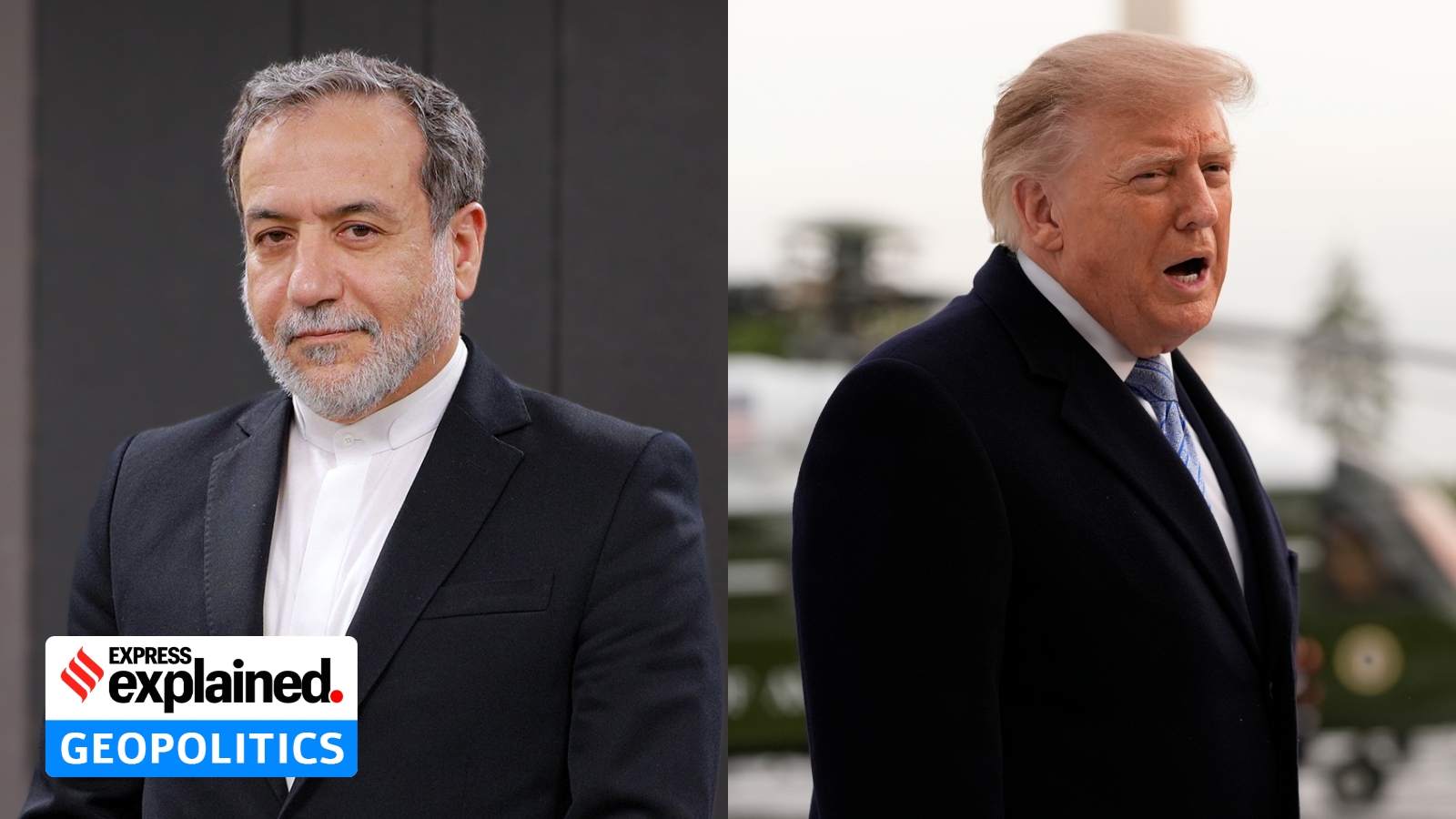
How Iran’s 7-day plan to end war with US mirrors June memorandum
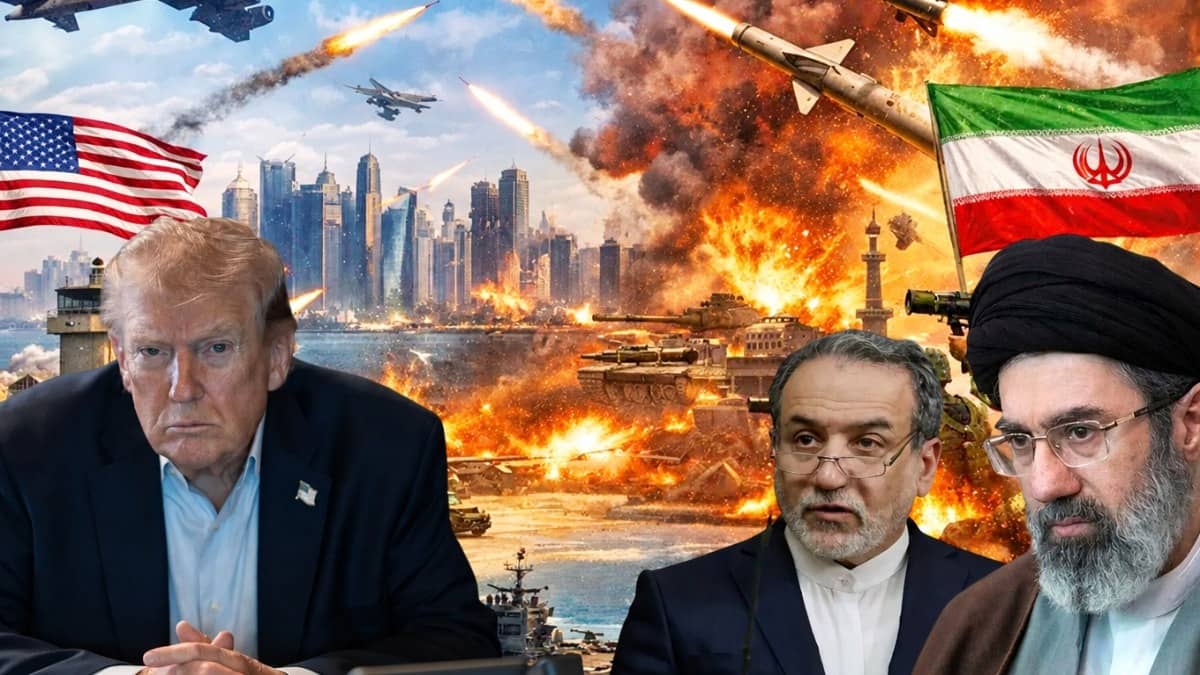
Iran Foreign Minister Aragchi Offers Seven-Day Plan to End Conflict, Open Hormuz & Restart Peace Talks
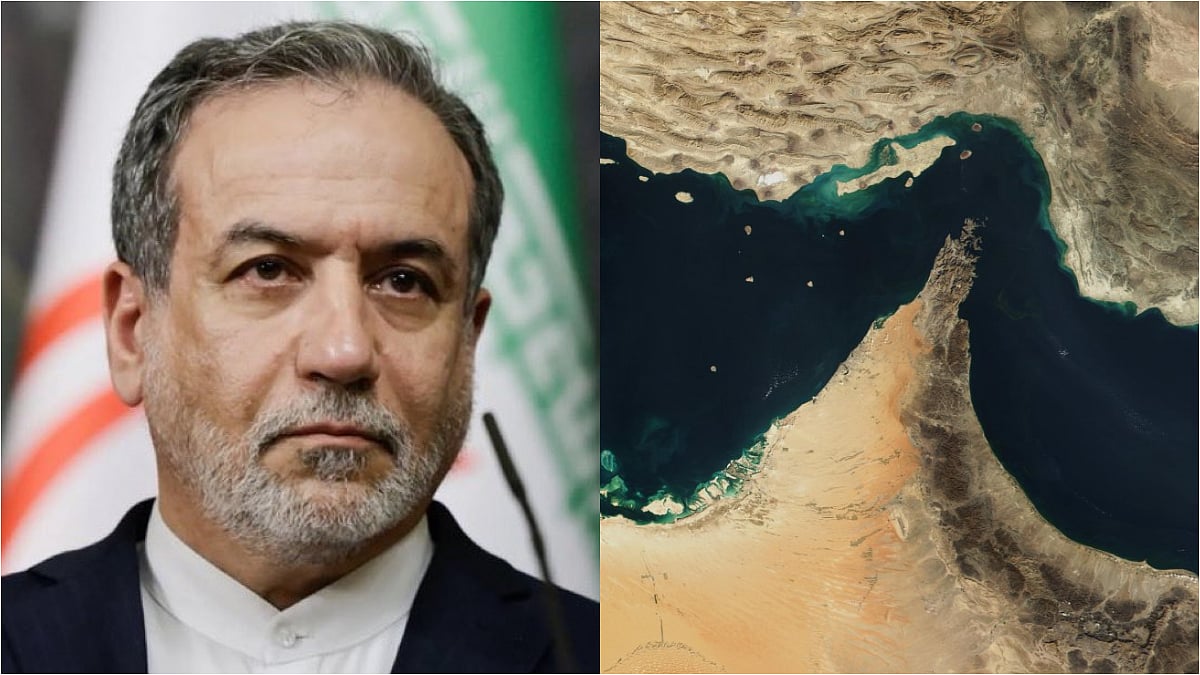
Iran Offers 7-Day Plan To End West Asia Conflict, Reopen Strait Of Hormuz And Resume Nuclear Talks With US
Hormuz To Truce Talks: Inside Iran's New '7-Day' Plan To End War
Iran offers seven-day path to US talks: Report
Iran proposes 7-day plan to reopen Strait of Hormuz, start nuclear talks
