

Archive · 11 Oct 2026
Delhi Experts Seek Pollution Research After Young GI Cancer Cases
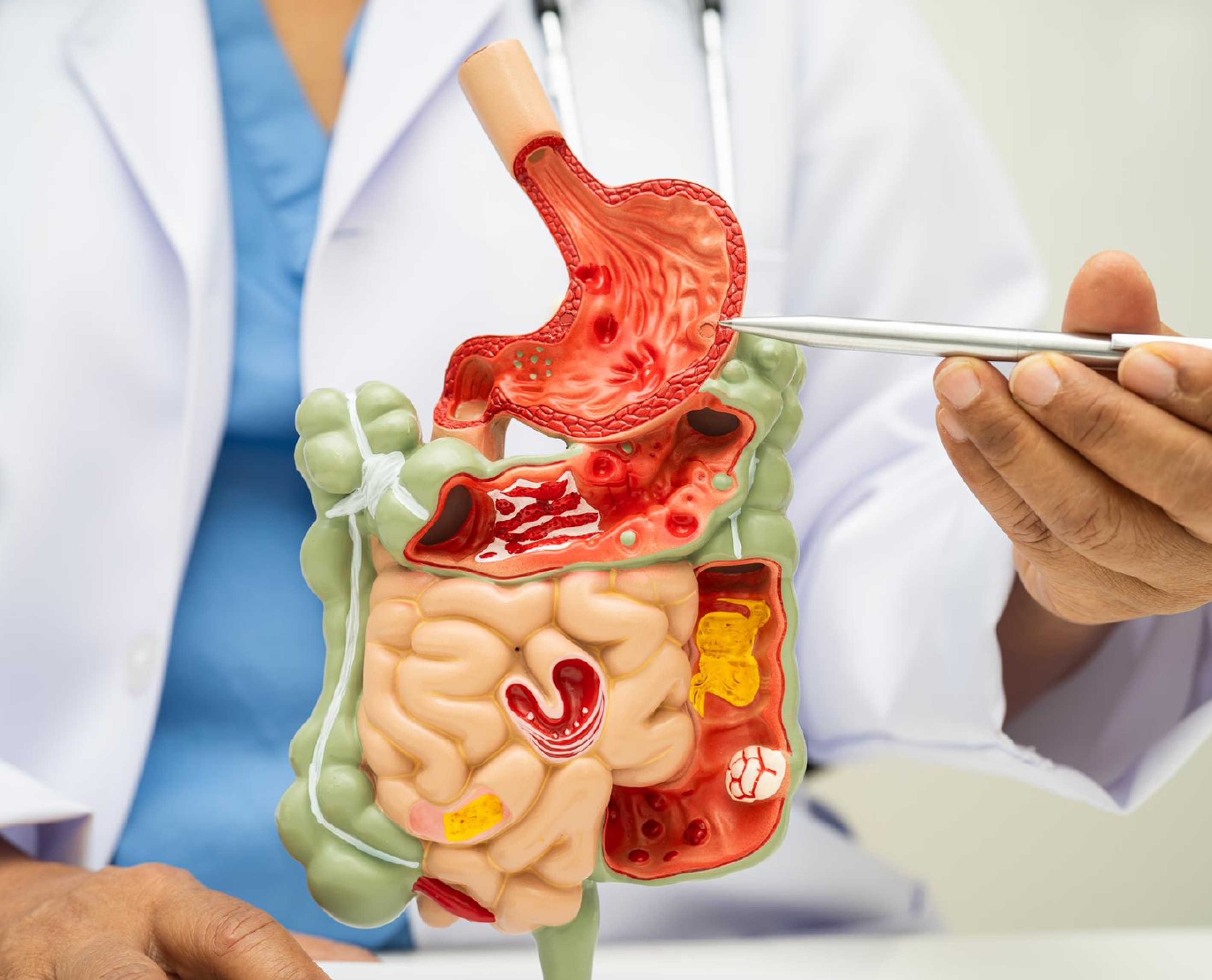
Doctors in Delhi said they have seen some patients as young as 15 with cancers of the digestive system.
They discussed this at a conference about digestive and colorectal cancers.
The doctors want researchers in India to study whether polluted air might be one part of the problem.
Some studies found that air pollution and cancer outcomes occur together more often, but that does not prove pollution caused the cancer.
The doctors said other things, such as genes, family history, diet, lifestyle and infections, may also matter.
They also highlighted ground-level ozone, a harmful kind of air pollution.
Experts want better air monitoring and cancer records, as well as longer studies in India.
They also encouraged prevention, screening and getting medical advice for lasting digestive symptoms.

A New Delhi hospital doctor said its outpatient department has seen GI cancer patients as young as 15, a pattern he said was uncommon five years ago.
Experts at a two-day conference called for India-specific research on whether air pollution, including PM2.5 and ground-level ozone, may contribute to cancer risk.
A review of 70 studies associated long-term PM2.5 exposure with higher GI cancer mortality, particularly colorectal cancer; another study reported links with overall cancer risk.
Researchers stressed that these findings show associations, not proof that pollution causes GI cancers or explains younger patients’ diagnoses.
Experts urged stronger air-quality monitoring, improved cancer registries and long-term Indian studies, alongside prevention, screening and timely diagnosis.
- Who
- Experts from Sir Ganga Ram Hospital, The Christie NHS Foundation Trust and other conference participants.
- What
- They discussed younger GI cancer patients and called for India-specific research into possible links between air pollution and cancer.
- When
- The conference took place on October 10-11; the report is dated October 11, with no year specified.
- Where
- New Delhi, at a conference organised by Sir Ganga Ram Hospital and The Christie NHS Foundation Trust.
- Why
- Experts said possible pollution effects and diagnoses among younger patients warrant research, while current studies do not prove causation.
Case for investigating pollution
Limits of current evidence
Air pollution and cancer risk
Case for investigating pollution
Experts said international findings linking long-term exposure to PM2.5, nitrogen dioxide and ozone with cancer outcomes support India-specific research, especially in cities with persistently poor air quality.
Limits of current evidence
The studies report associations, not proof of cause. One study’s findings concerned overall cancer risk and were not specific to GI cancers.
Younger patients’ diagnoses
Case for investigating pollution
The report of patients as young as 15 prompted experts to consider environmental exposure as one possible factor and investigate it further.
Limits of current evidence
Experts cautioned against drawing conclusions from associations and said family history, genetic susceptibility, diet, lifestyle and infections also deserve consideration.
- Conference
- A two-day international conference on colorectal and other GI cancers
- Organisers
- Sir Ganga Ram Hospital and The Christie NHS Foundation Trust
- Youngest age reported
- 15 years, according to a Sir Ganga Ram Hospital medical oncology department chair
- Review cited
- A study in Epidemiologic Reviews examined 70 studies on air pollution and gastrointestinal diseases
- England early-onset colorectal cancer incidence
- Among people under 50, it rose from 3.9 per 100,000 in 2001 to 8.4 per 100,000 in 2023
- India colorectal cancer incidence
- Reported at 3.5 per 100,000 among people aged 25-49; urban registries indicate an increase
- Evidence caveat
- The cited studies report associations and do not establish that pollution causes GI cancers
