Archive · 10 Nov 2025
Gen Z's Digital Dissent Fuels Global Protests and Government Responses

Young people today, called Gen Z, are using apps like TikTok and Discord to protest about important issues, just like people protested during the Arab Spring using Facebook.
They share videos and memes to show their anger about things like corruption or bad public services.
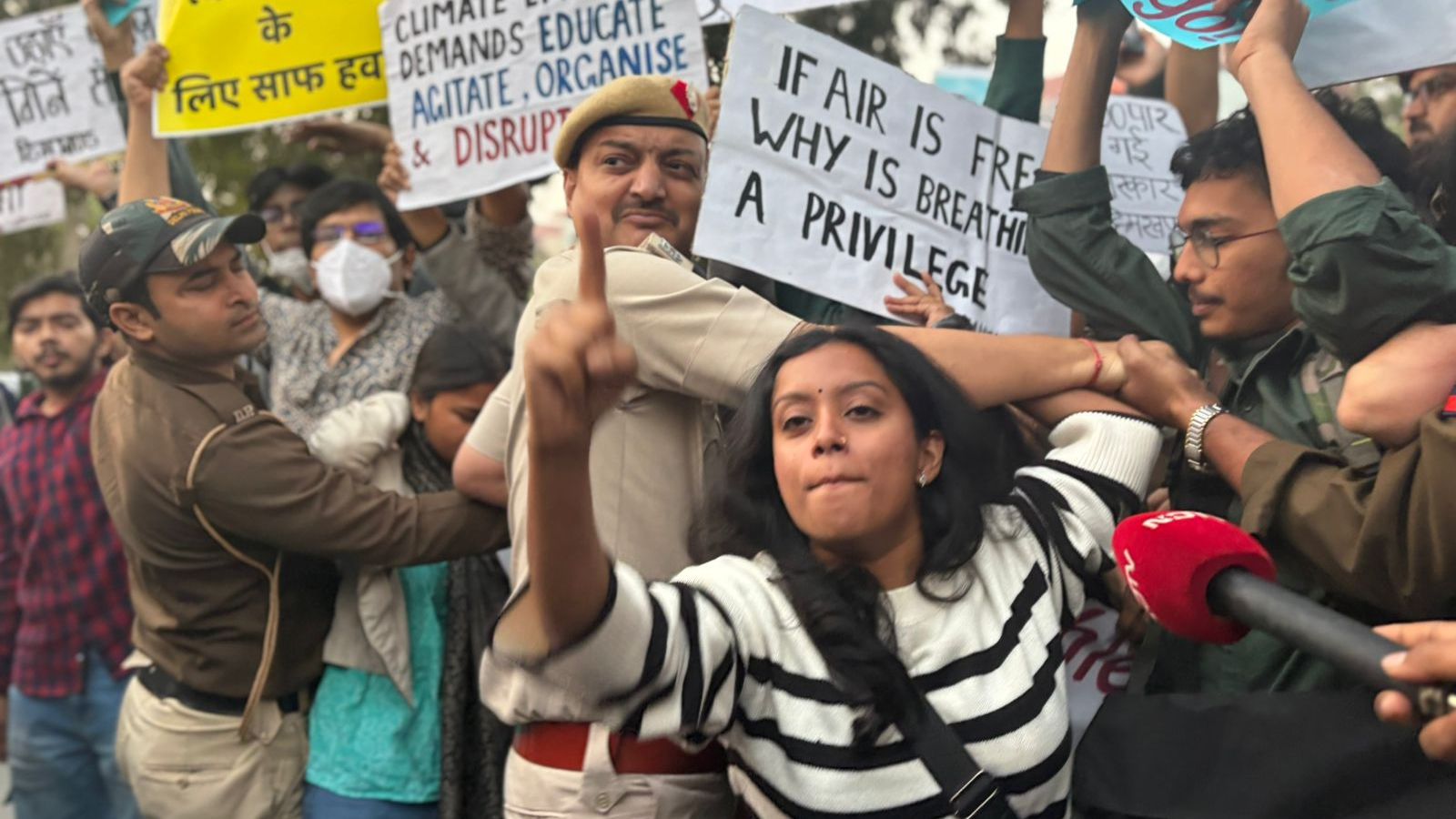
This has led to protests in many countries like Nepal, Morocco, and even in Delhi about air pollution.
Governments are trying to deal with this, sometimes by blocking social media or making new rules.
But these actions can sometimes make young people angrier.
Experts say it's like a new way of protesting, called 'digital dissent,' and it's important for governments and these apps to talk about how to let people express themselves while keeping things stable.
The way people protest is changing, and it's becoming more 'phygital,' meaning it mixes online and real-world actions.

Gen Z is leveraging social media platforms like TikTok and Discord for rapid mobilization in protests across Asia and Africa concerning issues such as corruption and inequality.
Recent protests influenced by digital dissent have occurred in Delhi (AQI), Morocco (World Cup spending), Nepal (social media ban), Madagascar, Mongolia, Philippines, and Indonesia.
Social media acts as a tool for Gen Z activism, using memes and reels for dissent, though it also fosters echo chambers, misinformation, and polarization.
Governments are responding with measures like platform bans, censorship, and calls for regulation, while activists advocate for digital literacy and platform accountability.
Experts suggest a need for dialogue between governments, platforms, and civil society to balance freedom of expression with stability, anticipating future 'phygital' activism.
- Who
- Gen Z activists, governments, social media platforms (TikTok, Discord, X, Meta, ByteDance), and the general public.
- What
- A wave of Gen Z-led protests fueled by social media activism against issues like corruption, inequality, and poor governance, met with varied government responses including censorship and calls for regulation.
- When
- Primarily in 2025, with historical context from the Arab Spring (2010-2011) and other recent global movements.
- Where
- Across Asia and Africa, including Delhi (India), Morocco, Nepal, Madagascar, Mongolia, the Philippines, and Indonesia.
- Why
- Gen Z utilizes digital platforms to express dissent against perceived injustices, economic hardship, and governmental failures, while governments grapple with managing online activism and its societal impact.
Government Response
Youth Activist Strategy
Platform Regulation
Government Response
Governments often resort to bans or censorship, as seen in Nepal and Morocco, sometimes disguised as tax enforcement or anti-corruption reforms. They may also use technologies for surveillance.
Youth Activist Strategy
Youth activists utilize various social media platforms (TikTok, Discord, Telegram, Instagram) for mobilization, often through memes, reels, and encrypted chats, to bypass censors and organize protests.
Digital Literacy and Access
Government Response
Governments should invest in digital literacy and explore revenue-sharing models where platforms fund local infrastructure, incentivizing regulatory compliance and reducing the need for bans.
Youth Activist Strategy
Activists face challenges from digital disparities that can lead to elite capture and marginalization of rural youth. They rely on social media for political education and civic engagement.
Platform Responsibility
Government Response
Platforms prioritize ad revenue and engagement, leading to echo chambers, polarization, misinformation, and the facilitation of doxxing, as seen in various global protests.
Youth Activist Strategy
Platforms are seen as essential lifelines for Gen Z's political education and civic engagement. There's a call for platforms to prioritize social impact and collaborate with governments and civil society.
- Gen Z Activism Methods
- Viral TikTok and Discord campaigns, memes, reels, encrypted chats, satire, solidarity.
- Recent Global Protests Driven by Gen Z
- Morocco (World Cup spending, public services), Nepal (social media ban, inequality), Madagascar (power/water crises), Mongolia (democratic reforms), Philippines (anti-elite), Indonesia (gig workers).
- Historical Precedent
- Arab Spring (2010-2011) demonstrated social media's early role in activism and mobilization.
- Social Media's Role in Change
- Platforms facilitate rather than cause change; politics drives transformation, and digital tools accelerate it.
- Concerns Regarding Social Media
- Echo chambers, polarization, misinformation, doxxing, surveillance, algorithmic prioritization of ad revenue over social impact.
- Potential Solutions
- Collaborative moderation, regulatory models (EU's Digital Services Act), tripartite dialogues (governments, platforms, civil society), investment in digital literacy, ethical AI norms, bilateral tech accords.
- Future Trend
- 'Phygital' activism blending AI-deepfakes, bots, and fragmented 'splinternets' as Gen Z grows as a global demographic.
Sources
Rahul Gandhi's Gen Z gamble, but is it listening?
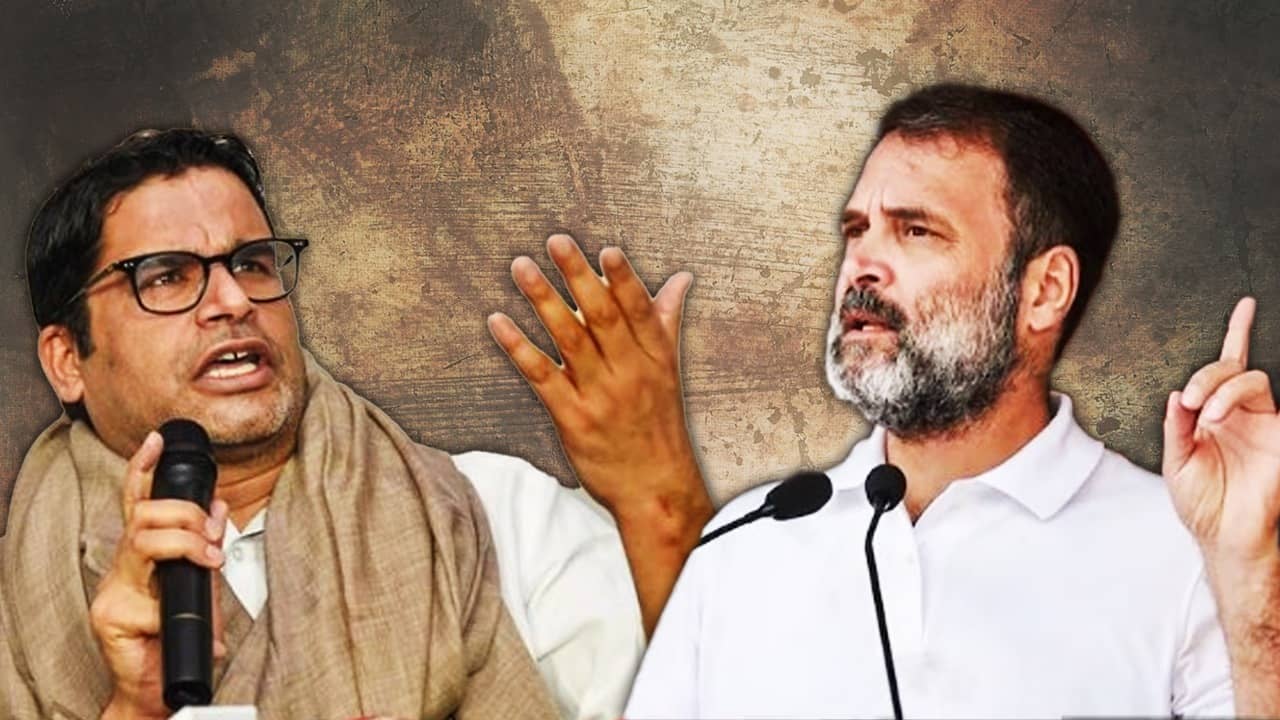
'Why Would Gen Z Listen to Him?': Prashant Kishor Dismisses Rahul Gandhi's Influence on Youth

BJP spreads hatred to distract people from real issues: Rahul Gandhi
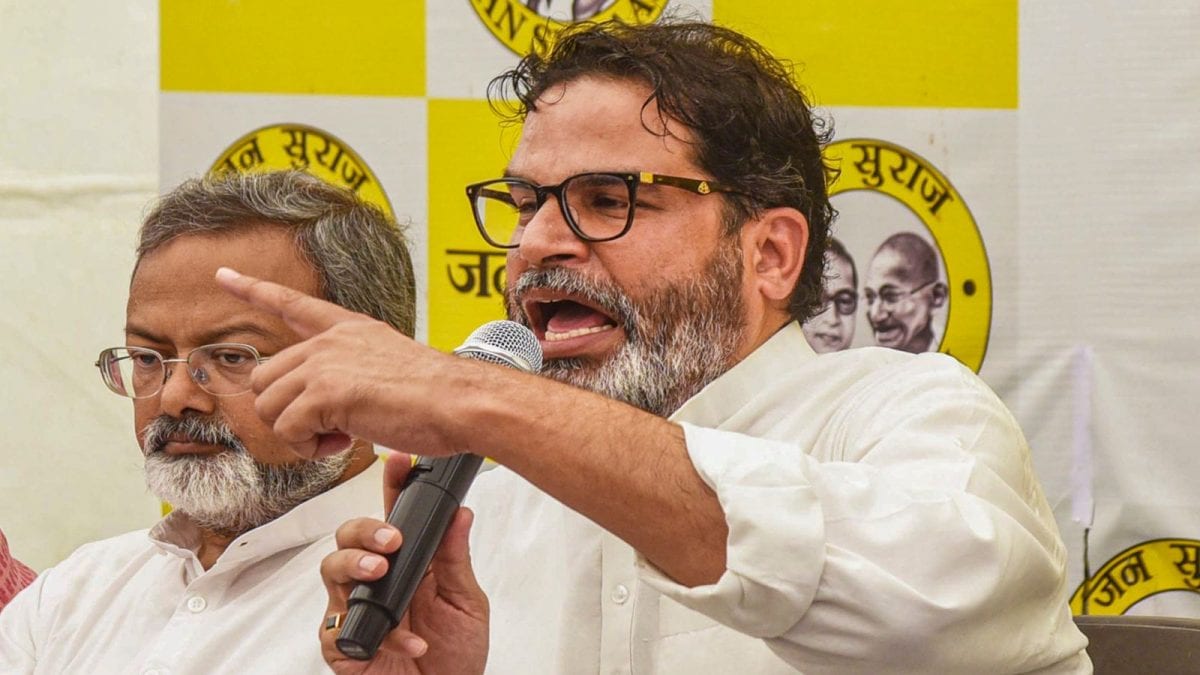
'Why Would Gen Z Listen To Him," Prashant Kishor Rejects Rahul Gandhi's Influence On Youth In Bihar
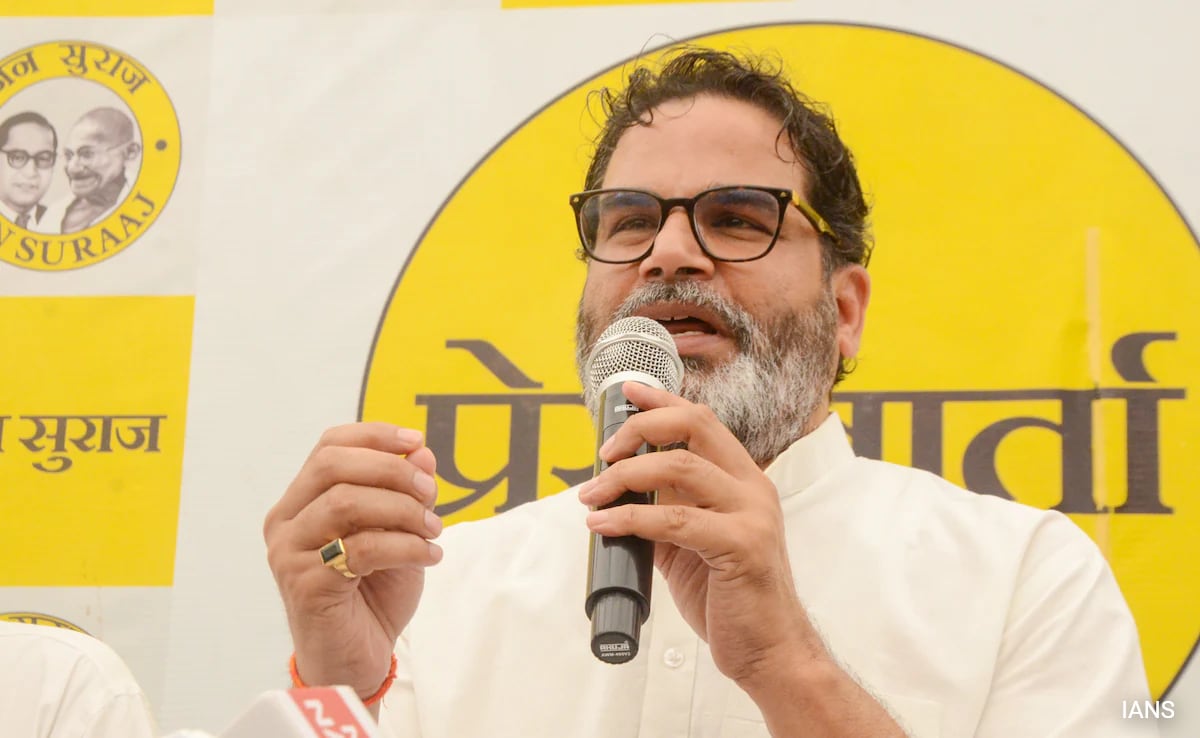
"Gen Z Not Homogeneous Group": Prashant Kishor On Rahul Gandhi's Influence
MyVoice: Views of our readers 10th November 2025