

Archive · 7 Nov 2025
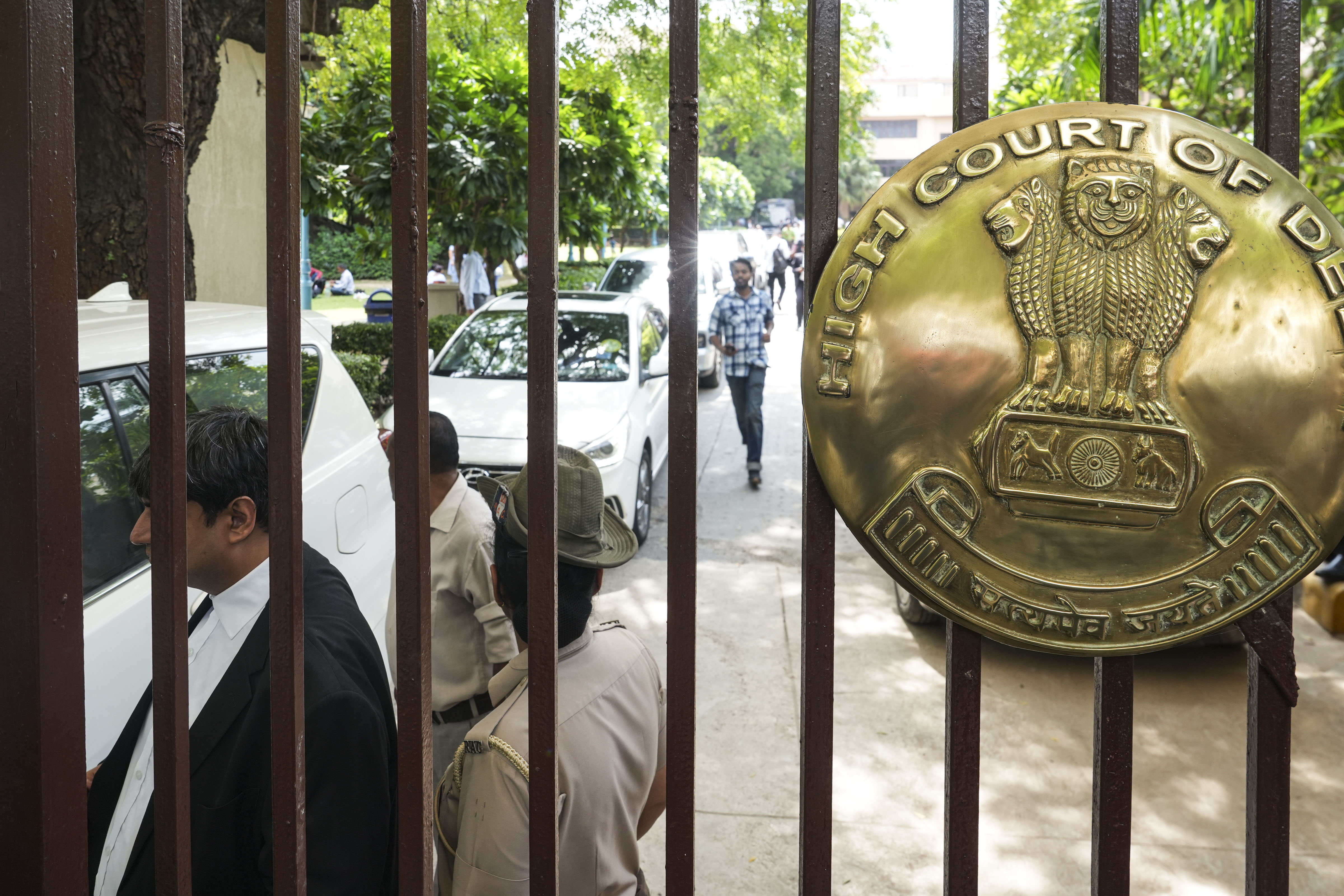
Delhi HC Rules Against Barring Students for Attendance Shortage
Imagine if your school said you absolutely MUST be in class 70 out of 100 times to take your big test, or you can't take it at all.
That's kind of what happened for law students.
A court in Delhi said this rule, which is meant to make sure students learn, might be too strict.
They said that because of this strict rule, some students get very sad and stressed, and one student even died by suicide.
So, the court decided that students shouldn't be kicked out of tests just for missing a few classes.
Instead, schools should only give a small penalty, like a few less points, for missing class.
This way, schools can still encourage students to attend but not punish them too harshly if they have a good reason or are struggling with other things like work or family problems.
It's about being fair and understanding while still making sure students learn.

The Delhi High Court ruled that law students should not be barred from examinations solely due to attendance shortages.
The verdict directs the Bar Council of India to reconsider its Legal Education Rules requiring 70% mandatory attendance.
The court suggested that attendance shortfalls should result in minor grade penalties rather than academic exclusion, citing mental distress.
The ruling was influenced by the 2016 suicide of a law student and aims to balance academic discipline with student well-being.
Student bodies and legal experts welcomed the decision, contrasting it with stricter attendance policies enforced by some institutions in Hyderabad.
- Who
- The Delhi High Court, student bodies, educational institutions, and regulatory bodies like the Bar Council of India
- What
- Ruled that law students should not be barred from examinations solely due to attendance shortage, directing the Bar Council of India to reconsider mandatory attendance rules.
- When
- The ruling was delivered on November 3, stemming from a 2016 student suicide.
- Where
- Delhi High Court (ruling), with implications discussed in Hyderabad and across India.
- Why
- To balance academic discipline with student mental well-being and address the distress caused by rigid attendance enforcement, especially for students facing socio-economic challenges.
- Ruling Date
- November 3
- Institutions Mentioned
- Amity Law School, NALSAR, Osmania University
- Bar Council of India Rule
- Legal Education Rules, 2008 (70% mandatory attendance)
- Recommended Penalty for Shortfall
- Minor grade penalties (up to 5% marks or 0.33 CGPA) without academic exclusion
- Previous High Court Stance (Telangana)
- Upheld barring students for attendance shortage (2012)