

Archive · 18 Dec 2025
Indian Railways Expands Solar Power and Vande Bharat Services
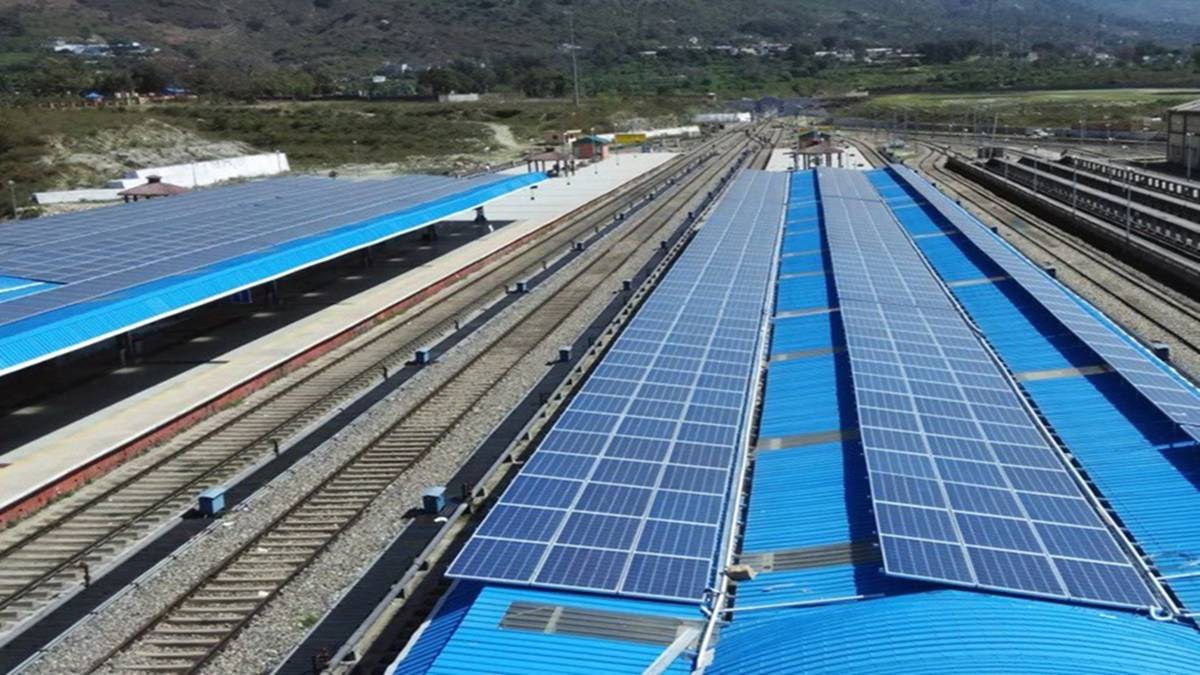
Indian Railways has been making big changes to use more solar power and improve train services.
They now have 2,626 train stations powered by solar energy, which helps them save money and be more eco-friendly.
The goal is to have zero carbon emissions by 2030.
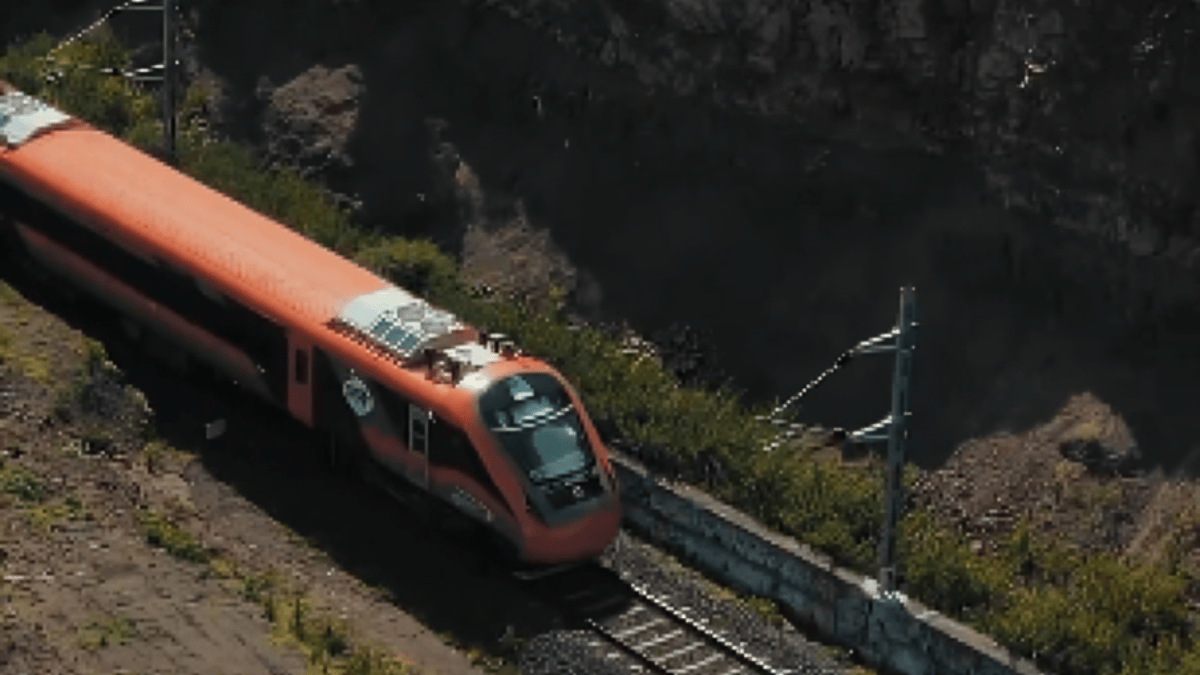
Additionally, the Vande Bharat Express trains have become very popular, with 164 services connecting major cities and carrying over 7.5 crore passengers since 2019.
These trains offer faster, safer, and more comfortable journeys, and they have helped boost tourism and the local economy.
For example, the Delhi-Varanasi route connects the national capital with a spiritual hub, and the Srinagar–Shri Mata Vaishno Devi Katra route was recently inaugurated, making it easier for pilgrims to visit.
The Vande Bharat Express has also become a preferred choice for business and leisure travelers, reducing carbon emissions compared to road and air travel.
The city of Varanasi has seen a significant increase in tourists, with over 45.4 crore visitors between 2014 and 2025, thanks to improved connectivity and infrastructure.

Indian Railways has 2,626 stations powered by solar energy, with 898 MW of solar capacity commissioned.
The solar push aims to reduce energy costs and support cleaner operations, with a goal of net-zero carbon emissions by 2030.
The Vande Bharat Express has 164 services and has carried over 7.5 crore passengers since 2019.
The Vande Bharat Express connects 274 districts and major cities, improving regional connectivity and promoting tourism.
Varanasi has seen a significant increase in tourists, with over 45.4 crore visitors between 2014 and 2025, thanks to improved connectivity and infrastructure.
- Who
- Indian Railways
- What
- Expanded solar power adoption and Vande Bharat Express services
- When
- Up to November 2023 and June 2025
- Where
- Across India, with a focus on major cities and tourist destinations
- Why
- To reduce energy costs, support cleaner operations, improve connectivity, and promote tourism
Environmental and Economic Benefits
Challenges and Considerations
Solar Power Adoption
Environmental and Economic Benefits
Indian Railways' adoption of solar power is a significant step towards reducing carbon emissions and achieving net-zero carbon emissions by 2030. It also helps in reducing energy costs and supports cleaner operations.
Challenges and Considerations
While solar power is beneficial, the initial investment and maintenance costs can be high. Additionally, the reliability of solar power can be affected by weather conditions and the availability of sunlight.
Vande Bharat Express Expansion
Environmental and Economic Benefits
The expansion of the Vande Bharat Express has improved connectivity, reduced travel time, and provided a comfortable and safe travel experience for passengers. It has also contributed to the growth of tourism and the local economy.
Challenges and Considerations
The increasing popularity of the Vande Bharat Express has led to overcrowding and long waiting times for tickets. There is also a need for more frequent services and better infrastructure to meet the growing demand.
- Solar-Powered Stations
- 2,626
- Solar Capacity Commissioned
- 898 MW
- Traction Usage
- 629 MW (70%)
- Non-Traction Usage
- 269 MW (30%)
- Net Zero Carbon Goal
- 2030
- Vande Bharat Services
- 164
- Passengers on Vande Bharat
- 7.5 crore
- Districts Covered
- 274
- Tourists in Varanasi (2014-2025)
- 45.4 crore
Sources
Indian Railways' green push: Over 2600 stations now solar-powered, 898 MW commissioned - Railways News
164 trains, 274 districts: How Vande Bharat raised the bar for Indian railways

Brand Banaras: More than 45.4 crore tourists visited in 12 yrs
Indian Railways electrifies 99.2% of network, outpaces Japan, Russia, and China
