Archive · 18 Sep 2026
OpenAI Brings GPT-6 Astra Legal Tools to Law Firms

OpenAI made a new AI tool called Astra for Law for people who work in law.
It is based on the company’s GPT-6 Astra model.
Lawyers can use it to search for legal information, study documents, write drafts and review deals.
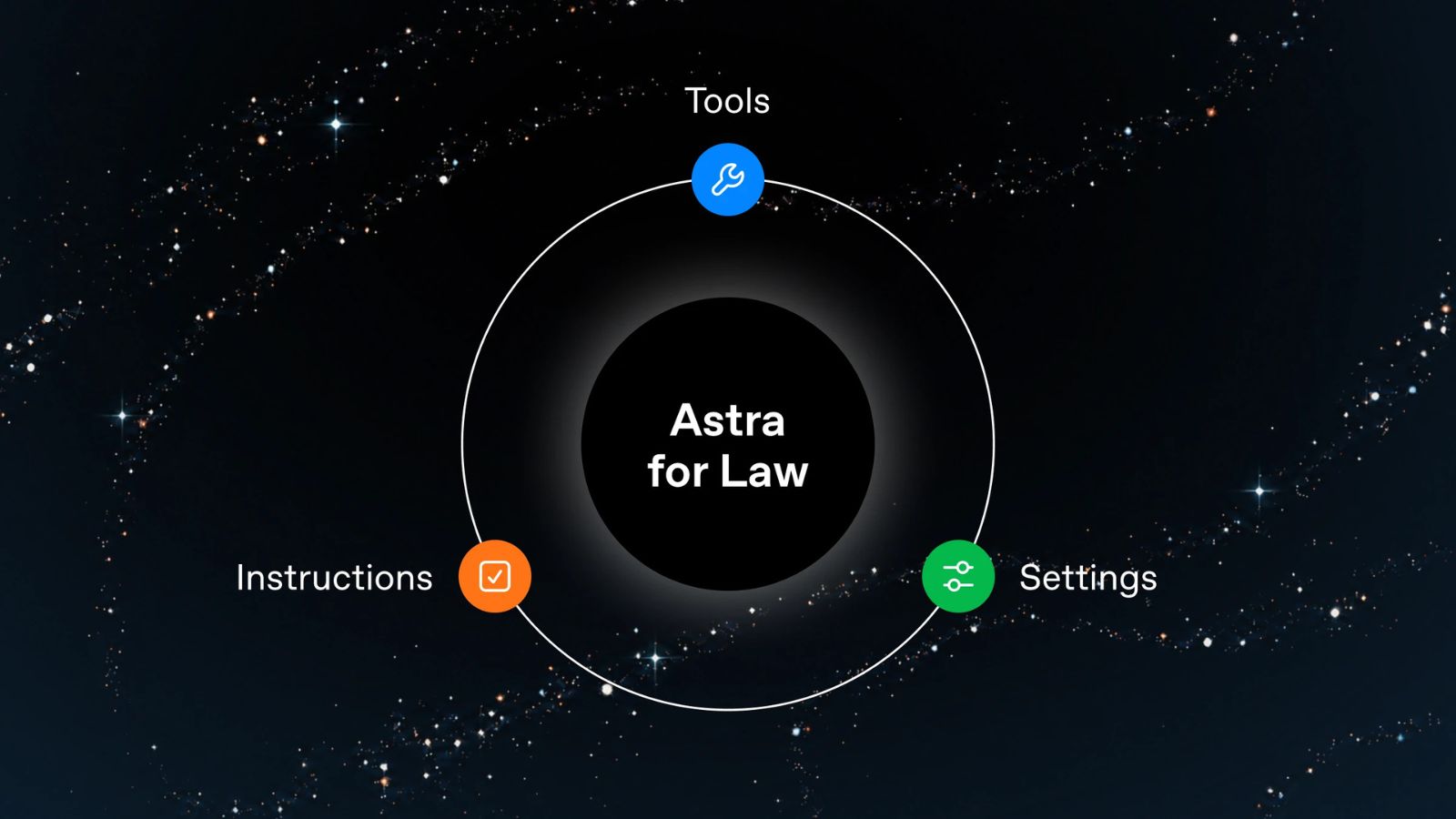
The tool can also help firms use their own past work and instructions when creating special legal tools.
Its search system includes many U.S. legal sources and is updated with new sources daily.
A small group of U.S. law firms will try it first through ChatGPT and Codex.
OpenAI says the tool has protections for confidential client information.
The company also says its tests showed improvements, but those results have not been checked independently.
OpenAI says the tool is meant to assist lawyers, not replace their professional judgment.

OpenAI introduced Astra for Law, a legal-focused version of its GPT-6 Astra model, on Thursday, September 17.
The system is designed for legal research, document analysis, drafting, case analysis, argument development and deal review.
Its Legal Search Index covers more than 230 million URLs and includes U.S. case law, statutes, regulations and other legal materials.
Selected U.S. law firms will initially access the product through Trusted Access in ChatGPT and Codex, with API access planned soon.
OpenAI’s reported evaluations showed improved results over GPT-6 Astra using web search, but the findings have not been independently verified.
- Who
- OpenAI, law firms, legal professionals and legal technology providers.
- What
- OpenAI launched Astra for Law, a legal-focused version of GPT-6 Astra with research, analysis, drafting and deal-review capabilities.
- When
- Thursday, September 17; the articles do not specify a year.
- Where
- The product will initially be available to selected U.S. law firms through Trusted Access in ChatGPT and Codex.
- Why
- OpenAI says it aims to support legal work while entering a market where major technology companies are competing for law-firm and legal-department business.
AI-Assisted Legal Work
Professional Oversight and Unverified Claims
Role in legal practice
AI-Assisted Legal Work
OpenAI presents Astra for Law as a tool that can support research, drafting, document analysis, argument development, deal review and custom firm workflows.
Professional Oversight and Unverified Claims
OpenAI says the system is intended to work alongside a firm’s expertise and professional methods rather than replace lawyers or their independent judgment.
Confidentiality and data protection
AI-Assisted Legal Work
OpenAI says the product is designed around lawyers’ confidentiality obligations and offers zero API retention and default non-human review for ChatGPT Enterprise.
Professional Oversight and Unverified Claims
Because legal work involves sensitive client information, firms must manage access within their organizations and remain responsible for protecting confidential material.
Performance and competition
AI-Assisted Legal Work
OpenAI reports that Astra for Law outperformed GPT-6 Astra using web search in its legal research evaluation and can retrieve more relevant cases and excerpts.
Professional Oversight and Unverified Claims
The reported tests were conducted by OpenAI and have not been independently verified, while Google, Anthropic and Thomson Reuters are offering competing legal AI products.
- Product
- Astra for Law, also identified in ChatGPT as GPT-6 Astra Law
- Core uses
- Legal research, document analysis, drafting, argument development, case analysis and deal review
- Legal Search Index
- More than 230 million URLs, including U.S. case law, statutes, regulations, procedural rules and administrative decisions
- Initial access
- Selected U.S. law firms through Trusted Access in ChatGPT and Codex
- API availability
- OpenAI says API access, named gpt-6-astra-law, will be available soon
- Privacy controls
- Zero Data Retention for eligible API usage and default non-human review of ChatGPT Enterprise chats
- Reported evaluation
- OpenAI said its advanced configuration was accurate on 54% of 200 legal research questions, versus 38.7% for GPT-6 Astra using web search; the results were not independently verified