Archive · 13 Nov 2025
Childhood Hypertension Cases Nearly Double in 20 Years Amid Lifestyle Changes
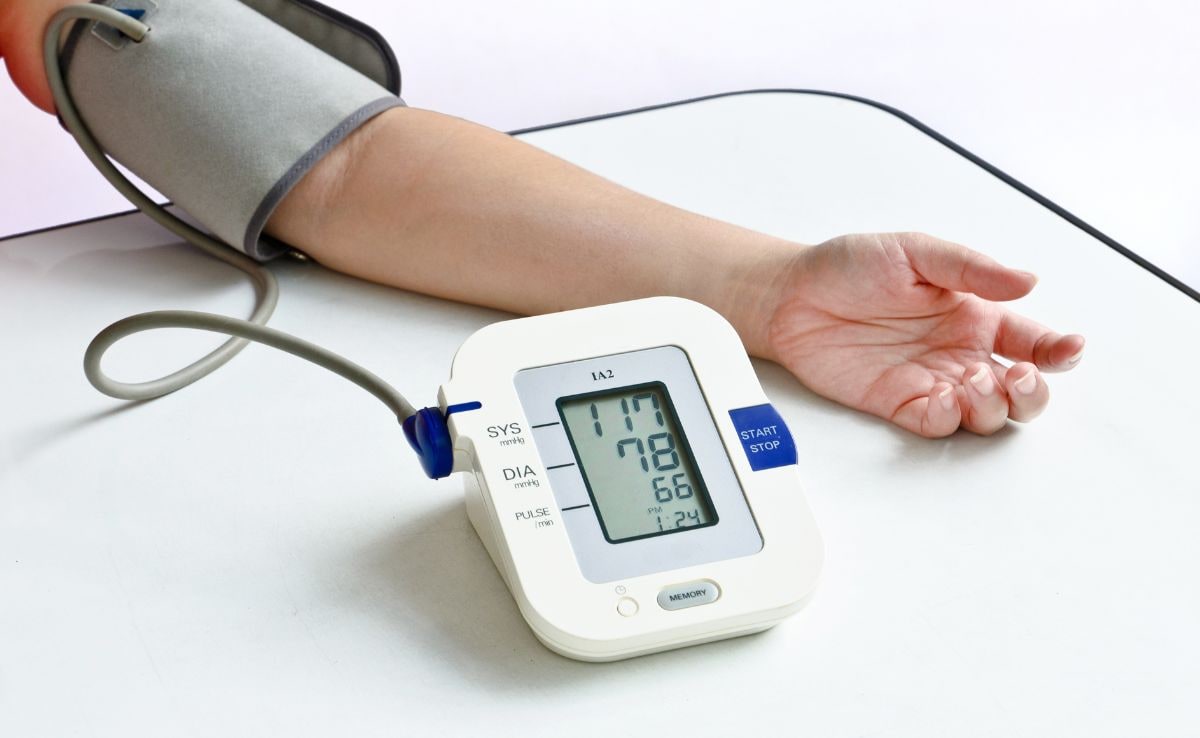
Imagine your body has pipes for blood, and blood pressure is how hard the blood is pushing.
A long time ago, not many kids had high blood pressure, maybe only 3 out of 100.
But now, over the last 20 years, this number has almost doubled, so more than 6 out of 100 kids have it.
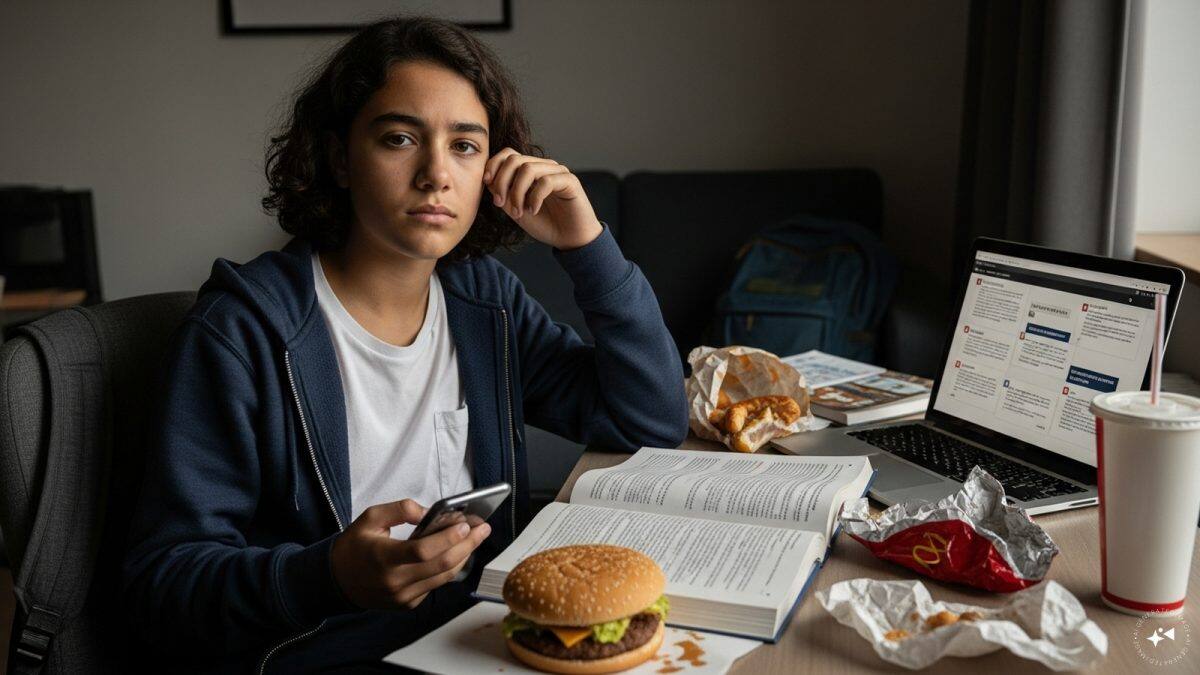
This is happening because kids are eating more unhealthy foods like junk and processed snacks, not moving their bodies enough, and spending too much time looking at screens.
Doctors are worried because high blood pressure when you're young can lead to serious problems like heart or kidney issues when you grow up.
Sometimes, kids can have high blood pressure that doctors don't notice during a quick check-up, which is called masked hypertension.
The good news is that by eating healthier, being more active, managing stress, and getting enough sleep, we can help prevent these problems.

High blood pressure in children and teenagers has nearly doubled globally in the past two decades.
Poor diets, lack of physical activity, increased screen time, and stress are identified as major contributors to this rise.
Approximately 1 in 10 children worldwide is estimated to have high blood pressure.
Masked hypertension, where blood pressure is high outside of clinical settings, affects about 9% of children.
Experts emphasize the need for regular screening and lifestyle changes for prevention and management of childhood hypertension.
- Who
- Children and teenagers globally (aged 6-19)
- What
- The prevalence of hypertension (high blood pressure) has nearly doubled.
- When
- Between 2000 and 2020
- Where
- Globally, based on data from 200 countries, with specific concerns raised for India.
- Why
- Lifestyle changes including poor diets (processed foods, high salt/sugar/fat), lack of physical activity, increased screen time, academic stress, and irregular sleep patterns are identified as key drivers.
Concerns about Measurement Methods
Impact of Standard Measurement
Prevalence Estimates
Concerns about Measurement Methods
Relying solely on traditional in-office blood pressure readings may underestimate the true prevalence or lead to misdiagnosis of hypertension in children and adolescents.
Impact of Standard Measurement
When confirmed by a healthcare provider at a minimum of three in-office visits, the global prevalence of hypertension was estimated at 4.3% of children and adolescents.
- Prevalence in 2000
- About 3%
- Prevalence in 2020
- Over 6%
- Increase Rate
- Nearly doubled in 20 years
- Estimated Proportion with High Blood Pressure
- One in ten children
- Masked Hypertension Prevalence
- About 9% of children
- Studies Analyzed
- Data from over 14 million children and teenagers
- Countries Included
- 200