

Archive · 16 Jan 2026
Nutritionist Links Pigmentation to Internal Health
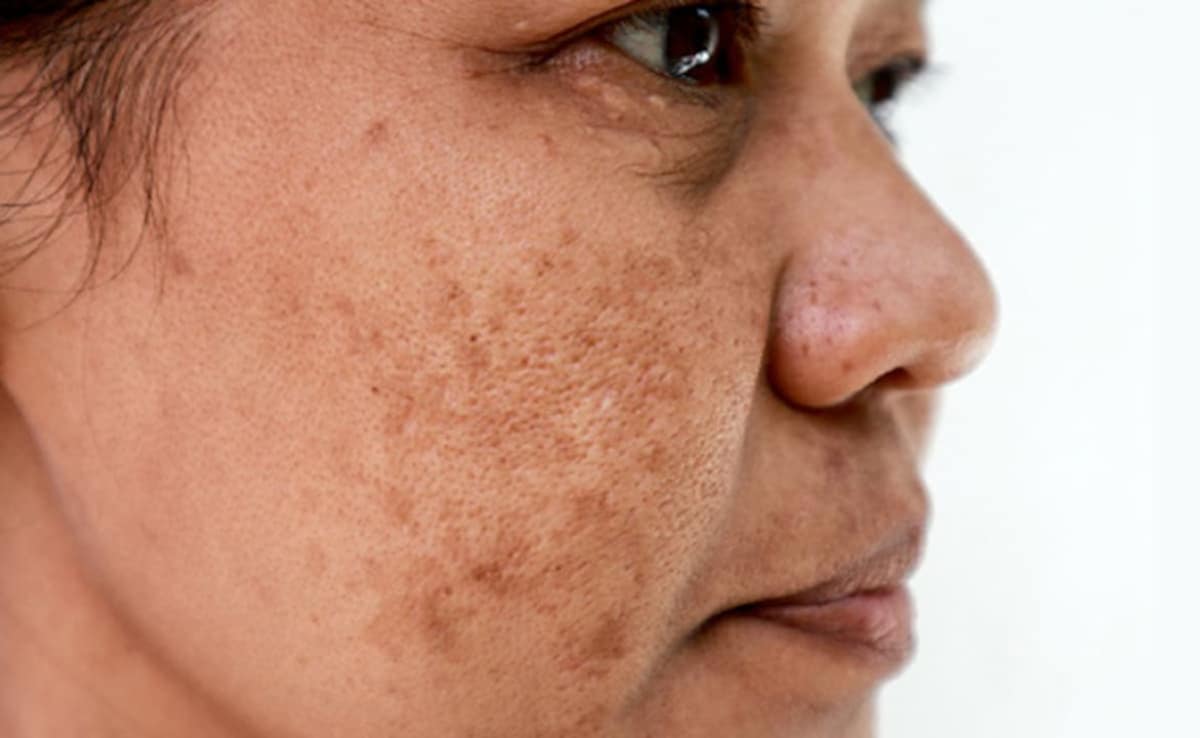
A nutritionist named Palak Nagpal says that pigmentation, which is dark spots on the skin, is not just about using creams or treatments.
She explains that what happens inside our body, like digestion, hormones, stress, and sleep, affects pigmentation.
If our digestion is not good, our skin doesn't get the nutrients it needs to heal.
If our liver is not working well, it can make pigmentation come back.
Hormones and stress also play a big role.
Eating too much sugar or being stressed can make pigmentation worse.
Sleep is important too because poor sleep increases stress and affects how our skin heals.
Palak suggests eating simple meals, supporting our liver, managing stress, and getting good sleep to help with pigmentation.

Pigmentation is linked to internal health factors like digestion, hormones, stress, and sleep.
Poor gut health and digestion can lead to higher oxidative stress and weaker skin repair.
Sluggish liver function can cause hormone imbalances and overstimulate pigment cells.
Hormonal imbalances, insulin resistance, and cortisol levels affect melanin production.
Poor sleep increases oxidative stress, worsens insulin resistance, and raises cortisol levels.
- Who
- Palak Nagpal, a nutritionist
- What
- Explains the link between pigmentation and internal health factors
- When
- Recently shared in an Instagram video
- Where
- On her Instagram platform
- Why
- To highlight that pigmentation is not just a skin-deep issue and requires a whole-body approach
- Expert
- Palak Nagpal
- Key Factors
- Digestion, Hormones, Stress, Sleep
- Gut Health Tips
- Eat home-cooked meals, avoid constant munching, chew slowly
- Liver Support
- Eat seasonal vegetables, use turmeric, drink water, avoid alcohol
- Hormonal Balance
- Reduce sugar, pair carbs with protein, maintain regular eating schedule
- Stress Management
- Deep breathing, walking, journaling
- Sleep Habits
- Sleep before midnight, consistent sleep timings, reduce screen use at night