

Archive · 5 Nov 2025
Dick Cheney's Post-9/11 Legacy: Expanded Spy Powers and Enduring Debate
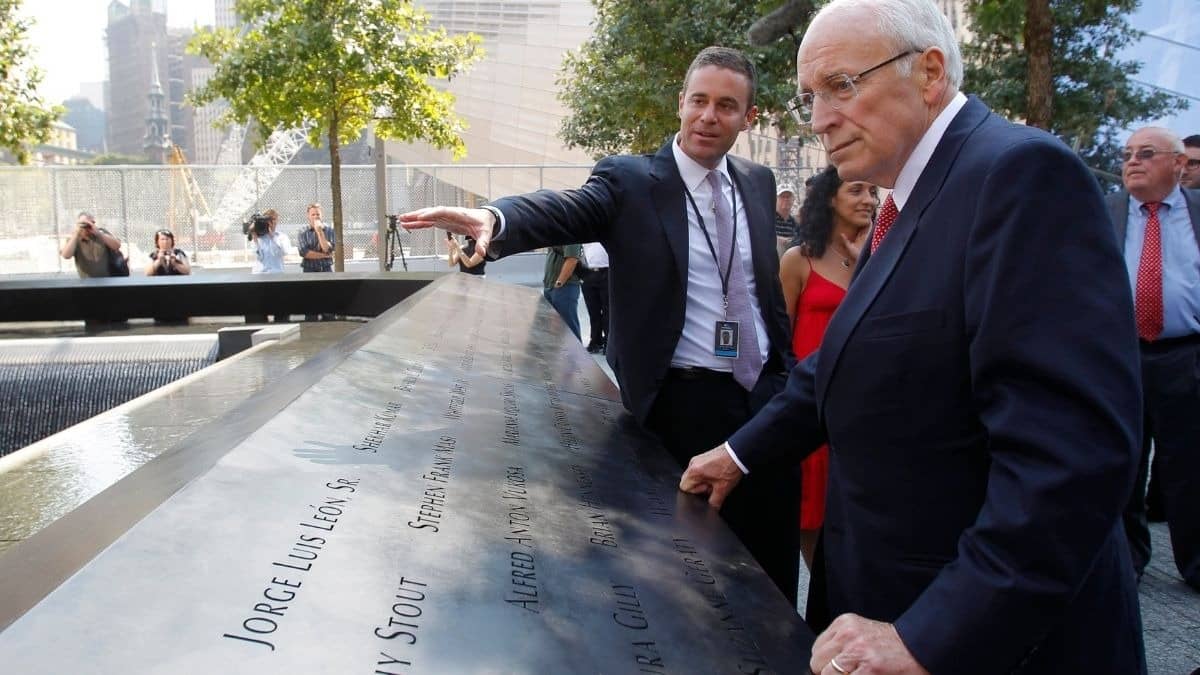
After the 9/11 attacks, America's Vice President, Dick Cheney, strongly supported giving the government more power to spy on people and gather information.
He believed this was necessary to keep the country safe from terrorists.
This led to new laws like the Patriot Act and programs that allowed the government to listen to phone calls and collect data without a warrant.
Some people agreed this was needed for security, while others worried it went too far and hurt people's privacy and rights.
Courts have questioned some of these powers, and even politicians who once supported them now have doubts.
The debate continues today about how much power the government should have to spy and whether that power is used fairly.

Dick Cheney was a leading proponent of expanded US surveillance and intelligence powers after 9/11.
He strongly backed the Patriot Act and a warrantless NSA wiretapping program.
Cheney also pushed for the use of intelligence to justify military actions, such as the invasion of Iraq.
Debates persist over the legality of government surveillance and the use of intelligence for political purposes.
Expanded executive and military powers established during his tenure have echoes in contemporary security and foreign policy debates.
- Who
- Former US Vice President Dick Cheney and the George W. Bush administration
- What
- Cheney championed expanded surveillance powers and executive authority in the name of national security following the 9/11 attacks, sparking a lasting debate over government spying and intelligence collection.
- When
- In the years following the September 11, 2001 attacks.
- Where
- United States
- Why
- To enhance national security and prevent future terrorist attacks by granting broader powers to intelligence and law enforcement agencies.
Skeptics of Expanded Surveillance
Proponents of Broad Executive Power
Legality and Oversight of Surveillance Programs
Skeptics of Expanded Surveillance
Courts have questioned the legal justification of the government's surveillance apparatus, and some congressional provisions of the Patriot Act have expired due to concerns.
Proponents of Broad Executive Power
The broad surveillance powers, including warrantless wiretapping and national security letters, were necessary to prevent terrorist attacks, as argued by Cheney who believed such measures could have prevented 9/11.
Use of Intelligence for Political Justification
Skeptics of Expanded Surveillance
The Bush administration, including Cheney, used faulty intelligence to justify the invasion of Iraq, leading to distrust and demonstrating the dangers of using intelligence for political ends.
Proponents of Broad Executive Power
Cheney advocated for strong executive action and robust intelligence gathering as essential for national security, especially in the aftermath of a devastating attack like 9/11.
Division of Authority in Counterterrorism Efforts
Skeptics of Expanded Surveillance
The FBI opposes proposals to shift lead counterintelligence roles to an office under the Director of National Intelligence, arguing it would hinder effective operations and national security.
Proponents of Broad Executive Power
The establishment of new agencies and the blurring of lines between civilian and military responses to threats were necessary adaptations to a changed security landscape after 9/11.
- Key Figure
- Dick Cheney, former US Vice President
- Key Legislation
- Patriot Act
- Key Program
- NSA warrantless wiretapping program
- Key Debates
- Detention, interrogation, spying, executive power, use of intelligence
- Enduring Tools
- National security letters, Section 702 of the Foreign Intelligence Surveillance Act
- Post-9/11 Agencies Established
- Department of Homeland Security, Office of the Director of National Intelligence (ODNI)