

Archive · 21 May 2025
Experts Advocate for Harmonious Coexistence with Urban Wildlife
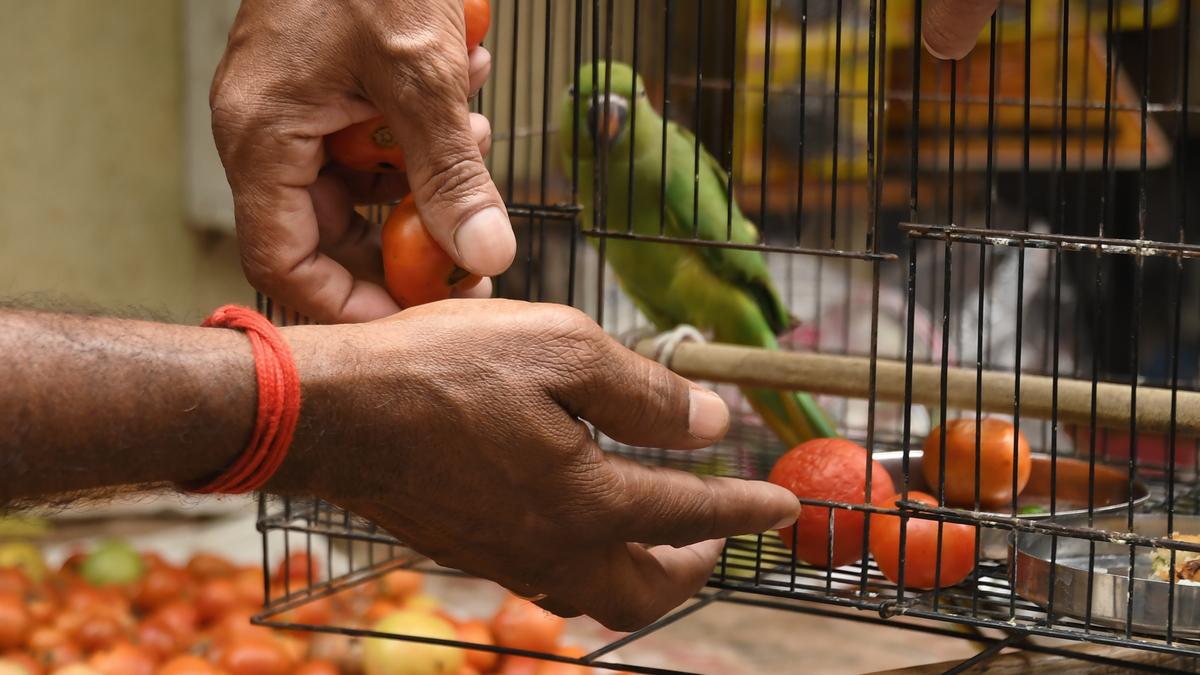
Imagine animals living in the city.
Some people don't understand them, like the crow who won't be friendly if you shoo them away.
Experts say it's important to understand how animals live and treat them with kindness, as humans and nature are connected.
Feeding animals can cause problems because it makes some animal populations grow too big.
Instead of feeding them, it's better to grow plants to give them food.
It's also against the law to keep wild animals as pets, because it harms them.

Experts discuss fostering peaceful coexistence between humans and urban wildlife.
Lack of understanding leads to conflicts, like crows remembering faces.
Feeding wildlife can have negative ecological consequences, increasing certain populations.
Experts suggest growing plants as a better way to support urban wildlife.
Keeping wild animals as pets is illegal and unethical according to Indian law.
- Who
- Wildlife experts, including Jayanthi Kallam and Shankar Shivappa.
- What
- A discussion on human-wildlife interaction in urban settings and how to improve it.
- When
- Published on May 21, 2024.
- Where
- Horamavu, Bengaluru, and San Diego were mentioned.
- Why
- To promote a better understanding of urban wildlife to achieve peaceful coexistence.
Feeding Wildlife
Wildlife Protection Laws
Feeding Practices
Feeding Wildlife
Feeding wildlife, though done with good intentions, can have negative ecological impacts.
Wildlife Protection Laws
There is nothing legally wrong with feeding animals in India unless it puts them in danger.
Pet Ownership
Feeding Wildlife
Keeping wild animals as pets is unethical and illegal.
Wildlife Protection Laws
India has very strong laws for the protection of wildlife.
- Organization
- Avian and Reptile Rehabilitation Centre (ARRC) in Horamavu
- Early Bird
- Not-for-profit initiative focusing on birdwatching for children.
- Shankar Shivappa's Profession
- Engineer with a passion for wildlife
- Relevant Law
- The Wildlife (Protection) Act of 1972