

Archive · 13 Jan 2026
UK Study Shows Most Vaccine-Hesitant Got Covid Jab
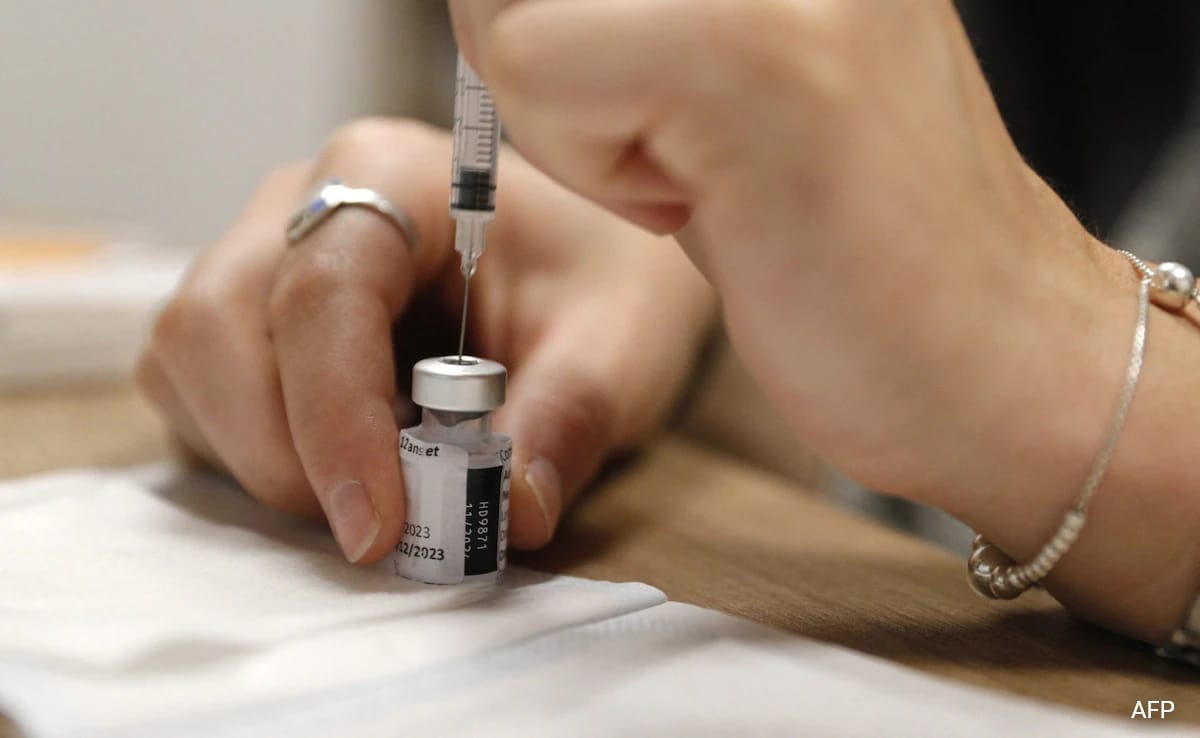
A big study in England found that most people who were initially unsure about getting the Covid-19 vaccine eventually got the jab.
At the start, about 8% of people were hesitant, but after a year, only 1% still were.
Almost two-thirds of those who were unsure at first ended up getting vaccinated.
People who were worried about how well the vaccine worked or its effects on their health were more likely to change their minds.
However, those who didn't trust experts or vaccine companies were less likely to get vaccinated.
The study shows that giving people good information can help them make better decisions about vaccines.
This could also help with other vaccines, like those for the flu or measles.

Most people initially hesitant about Covid-19 vaccines eventually got vaccinated.
Hesitancy dropped from 8% in January 2021 to 1% by March 2022.
Almost two-thirds of initially hesitant people received at least one dose.
Concerns about effectiveness and health impact were the most common reasons for hesitancy.
People with low trust in institutions and experts were more likely to remain unvaccinated.
- Who
- Researchers from Imperial College London and respondents in England
- What
- A study on Covid-19 vaccine hesitancy and its resolution over time
- When
- Between January 2021 and March 2022
- Where
- England
- Why
- To understand and address vaccine hesitancy and its underlying concerns
- Study Location
- England
- Study Period
- January 2021 to March 2022
- Initial Hesitancy
- 8%
- Final Hesitancy
- 1%
- Vaccinated Hesitant
- Almost two-thirds
- Main Concerns
- Effectiveness and health impact
- Persistent Hesitancy Factors
- Low trust in institutions and experts