

Archive · 29 Oct 2025
Darkness and Light: An Adversarial or Allied Relationship?
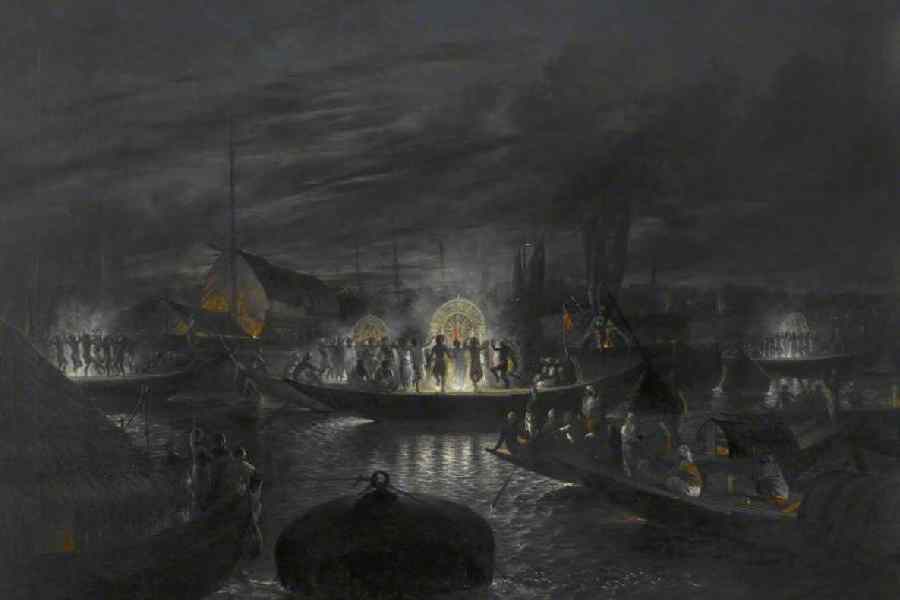
Imagine you always thought monsters lived in the dark and heroes lived in the light.
This story asks if that's always true.
For a long time, people have drawn pictures and told stories where light is good and darkness is bad, like a superhero fighting a villain.
Some artworks show a bright god pushing away dark shadows.
But the story says this isn't the whole picture.
Sometimes, being in the dark, like wearing sunglasses, can help people feel private and safe from being watched too much.
It also says that things we call 'dark' can be special and beautiful, like a special shadow that is interesting.
The story also points out that too much light, especially fake light, can actually hide bad things happening in the world.
It can also hurt animals and mess up our sleep.
So, maybe light and dark aren't always enemies, but sometimes they work together in surprising ways.

Historically, light has been symbolically positioned as a force against the perceived evils of darkness.
Art and literature often depict darkness as a realm of fear, the unknown, and negativity.
Modern scholarship and cultural analysis challenge this binary, suggesting darkness can offer privacy, anonymity, and a form of resistance.
Conversely, an overabundance of artificial light can obscure societal injustices and negatively impact natural ecosystems and human well-being.
The relationship between light and darkness is complex and has evolved, with instances of alliance and mutual aesthetic appreciation.
- Who
- Humanity, artists like Gaganendranath Tagore and George Gidley Palmer, writers, philosophers (Édouard Glissant), and cultural historians (Nina Edwards).
- What
- An examination of the historical, cultural, and contemporary associations of light and darkness, questioning the traditional adversarial view.
- When
- The article references events around Dashami, the Renaissance in Italy, and contemporary scholarship.
- Where
- References are made to India, Europe (Italy, Gothic fairy tales), Bali, and the broader cultural sphere.
- Why
- To challenge the ingrained human tendency to demonize darkness and to explore how both light and darkness can hold complex, sometimes allied, meanings.
Light as Superior
Darkness as Empowering
Historical and Cultural Depictions
Light as Superior
Historically and culturally, light has been associated with hope, reason, and goodness, while darkness is linked to evil, fear, and the unknown, as seen in art, literature, and folklore.
Darkness as Empowering
While traditionally demonized, darkness, through concepts like opacity, can represent a marginalized group's right to privacy and resistance against being overly understood or cataloged.
Modern Interpretations and Uses
Light as Superior
In modern society, artificial light is increasingly equated with development and economic progress, as measured by metrics like night-time light.
Darkness as Empowering
Darkness offers aesthetic appeal and can provide anonymity and privacy, as exemplified by sunglasses, which protect the wearer while allowing them to observe the world.
Societal Implications
Light as Superior
The overemphasis on light can obscure societal iniquities and injustices, as it can dazzle and distract from real problems.
Darkness as Empowering
The suppression of darkness can have negative consequences on the natural world (disrupting animal behavior) and human well-being (sleep and reproductive cycles).
- Date of Dashami
- Earlier this month
- Artistic Technique
- Chiaroscuro (light-dark contrast)
- Philosophical Concept
- Opacity (resistance to illumination and transparency)
- Author's Concern
- The peril of light devouring dark, obscuring societal injustices.
- Modern Metric for Development
- Night-time light