Archive · 27 Dec 2025
SHANTI Bill Becomes Law, Focus Shifts to Implementation
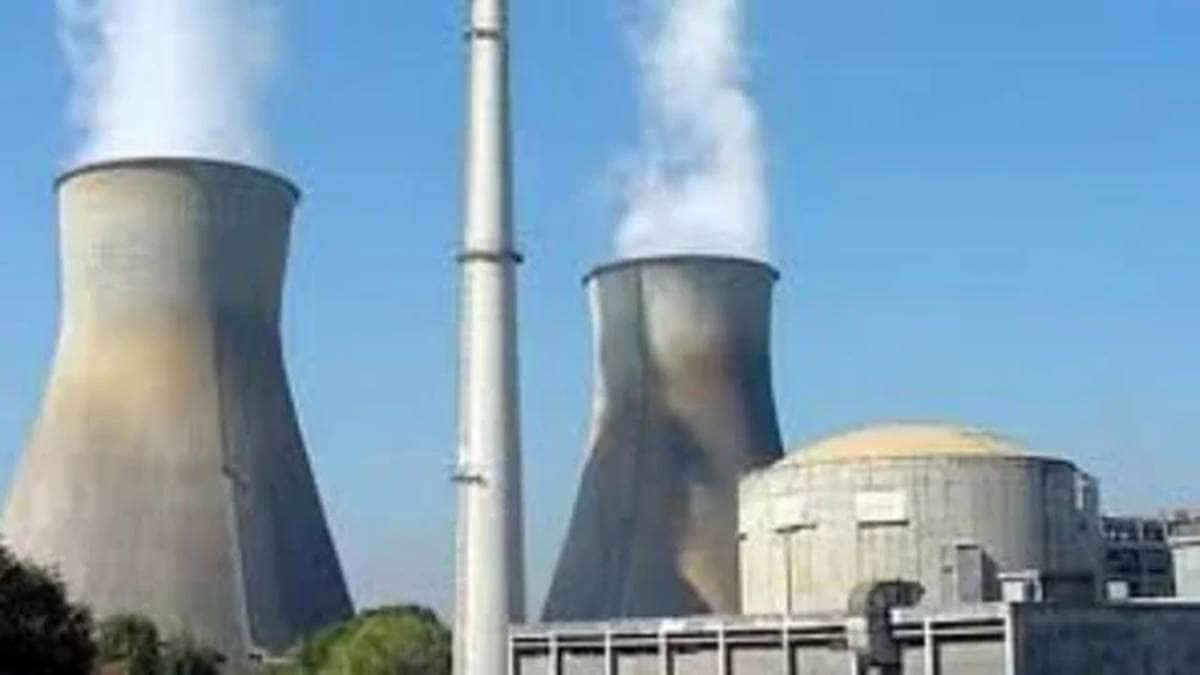
The SHANTI Bill is now a law in India.
It allows private companies to build and operate nuclear reactors, while the government keeps control over important safety and security tasks.
The goal is to make nuclear energy a bigger part of India's power supply, helping the country reduce pollution and become more self-sufficient in energy.
The bill also makes it easier for companies to invest in nuclear technology by setting clear rules about who is responsible if something goes wrong.
However, the success of the bill will depend on how well it is implemented, including strengthening the regulatory body, ensuring quick and disciplined approvals, and maintaining emergency readiness.
The bill also aims to strengthen India's diplomatic leverage by diversifying its nuclear partners and ensuring a credible nuclear scale-up.

The SHANTI Bill has become law, allowing private sector participation in India's nuclear energy framework while maintaining government control over strategic and safety aspects.
The success of the bill will depend on effective implementation, including strengthening the Atomic Energy Regulatory Board (AERB), ensuring quick and disciplined approvals, and maintaining emergency readiness.
The bill introduces a tiered liability structure, making Small Modular Reactors (SMRs) financially viable for industrial captive power and hydrogen production.
The bill aims to strengthen India's diplomatic leverage by diversifying its nuclear partners and ensuring a credible nuclear scale-up.
The bill's success will be judged by its ability to deliver on its promises, including meeting decarbonization goals and achieving energy independence.
- Who
- Indian Government, Private Sector, Atomic Energy Regulatory Board (AERB), Research Community
- What
- Implementation of the SHANTI Bill to modernize India’s nuclear framework and enable private sector participation
- When
- 2025
- Where
- India
- Why
- To rapidly expand nuclear energy capacity, meet decarbonization goals, and achieve energy independence
- Bill Name
- Sustainable Harnessing and Advancement of Nuclear Energy for Transforming India (SHANTI) Bill, 2025
- Replaced Acts
- Atomic Energy Act, 1962 and Civil Liability for Nuclear Damage Act, 2010
- Primary Goal
- Modernize India’s nuclear framework, enable private sector participation
- Decarbonization Goal
- Net Zero by 2070
- Nuclear Energy Target
- 100 GW by 2047
- Liability Cap for SMRs
- ₹300 crore for reactors between 150 MW and 750 MW
- Regulatory Body
- Atomic Energy Regulatory Board (AERB)
- Key Partners
- Russia, France, USA, Japan, South Korea, Canada, Kazakhstan, Australia