

Archive · 11 Nov 2025
Understanding the Four Stages of Liver Disease
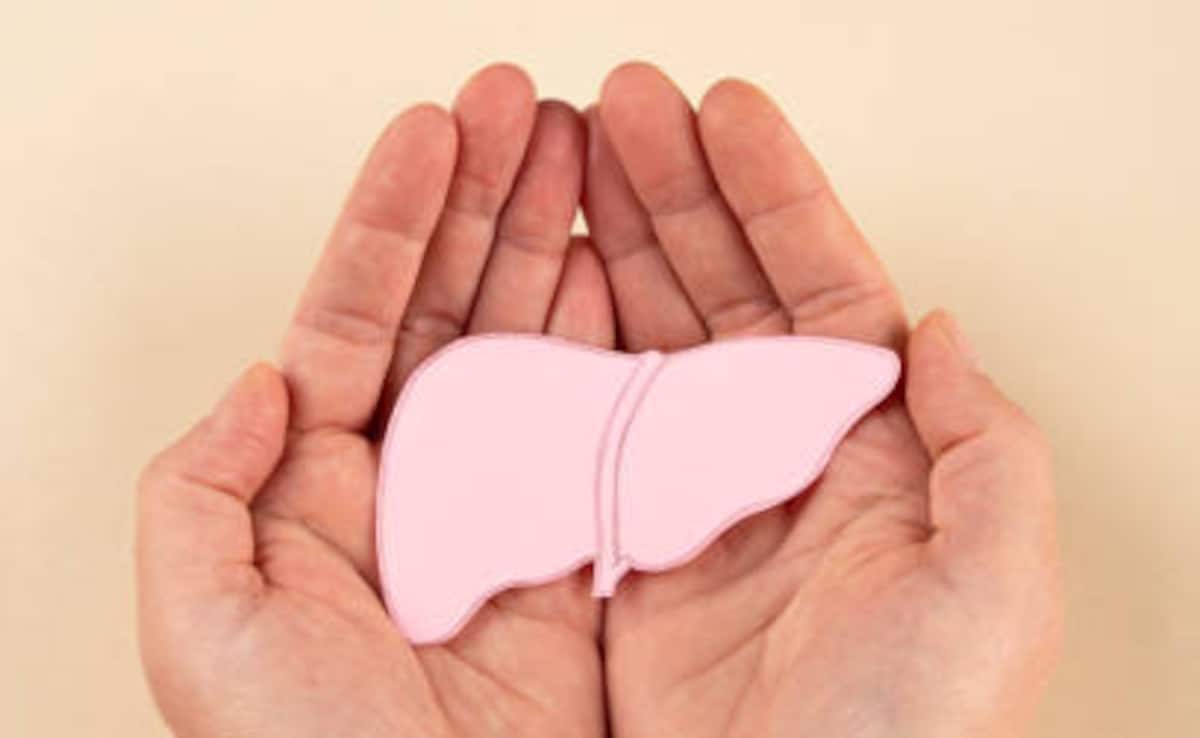
Your liver is like a busy cleaning factory for your body, removing bad stuff and helping you use food.
Sometimes, too many bad things, like junk food, too much alcohol, or medicines, can make the factory sick.
First, it gets swollen and angry (inflammation).
If it stays that way, scars start to form, like old patches on the factory floor (fibrosis).
If the scars get really bad, the factory can't do its job well (cirrhosis), and you might see yellow skin.
The worst stage is when the factory is too damaged to work at all (end-stage liver disease), which is very dangerous and needs immediate help.
It's important to take care of your liver early to prevent these problems.

Liver disease progresses through four stages: Inflammation, Fibrosis, Cirrhosis, and End-Stage Liver Disease (ESLD).
Stage 1 involves liver inflammation, often without clear symptoms, but can cause fatigue or mild pain.
Stage 2, fibrosis, introduces scar tissue, potentially worsening fatigue and causing mild dysfunction.
Stage 3, cirrhosis, signifies severe scarring where the liver struggles to function, leading to noticeable symptoms like jaundice.
Stage 4, ESLD, means the liver is critically damaged and unable to function, posing life-threatening risks.
- Who
- Individuals with liver disease
- What
- The progression of liver disease through four distinct stages: Inflammation, Fibrosis, Cirrhosis, and End-Stage Liver Disease (ESLD).
- When
- Liver disease can progress over time, with symptoms becoming more apparent in later stages.
- Where
- Primarily affects the liver within the body.
- Why
- Caused by overwhelming the liver's resources with toxins from unhealthy diets, lack of physical activity, obesity, heavy alcohol consumption, certain medications, viral infections, or autoimmune diseases.
Viewpoints on Liver Disease Management
Perspectives on Liver Health
Early Detection and Intervention
Viewpoints on Liver Disease Management
Emphasizes the critical importance of recognizing and addressing liver disease symptoms even in the early stages (Inflammation, Fibrosis) to prevent irreversible damage and save lives.
Perspectives on Liver Health
Acknowledges the difficulty in detecting early stages due to mild or absent symptoms, highlighting the need for comprehensive medical check-ups and awareness.
Causes of Liver Disease
Viewpoints on Liver Disease Management
Highlights lifestyle factors such as unhealthy diets, lack of physical activity, obesity, and heavy alcohol consumption as primary culprits leading to liver disease.
Perspectives on Liver Health
Includes a broader range of causes, such as viral infections, autoimmune diseases, and the long-term use of certain medications, in addition to lifestyle factors.
- Primary Functions of the Liver
- Removes toxins from blood, metabolizes carbohydrates, fats, proteins, converts them to energy/nutrients, stores nutrients, aids protein synthesis, regulates blood sugar.
- Common Causes of Liver Disease
- Unhealthy diets, lack of physical activity, obesity, heavy alcohol consumption, long-term use of certain medications, viral infections, autoimmune diseases.
- Stage 1: Inflammation
- Liver becomes enlarged or inflamed. Symptoms are often absent but can include fatigue or abdominal pain.
- Stage 2: Fibrosis
- Scar tissue develops in the liver due to ongoing inflammation. Symptoms may be mild, with potential worsening of fatigue and discomfort; blood tests might show dysfunction.
- Stage 3: Cirrhosis
- Severe liver scarring replaces healthy tissue, significantly impairing liver function. Symptoms are recognizable, including jaundice, swollen abdomen, confusion, and easy bruising.
- Stage 4: End-Stage Liver Disease (ESLD)
- Liver is severely damaged and cannot function. Leads to life-threatening complications requiring urgent medical attention.