

Archive · 29 Jul 2026
India Considers Junk Food Tax to Combat Obesity
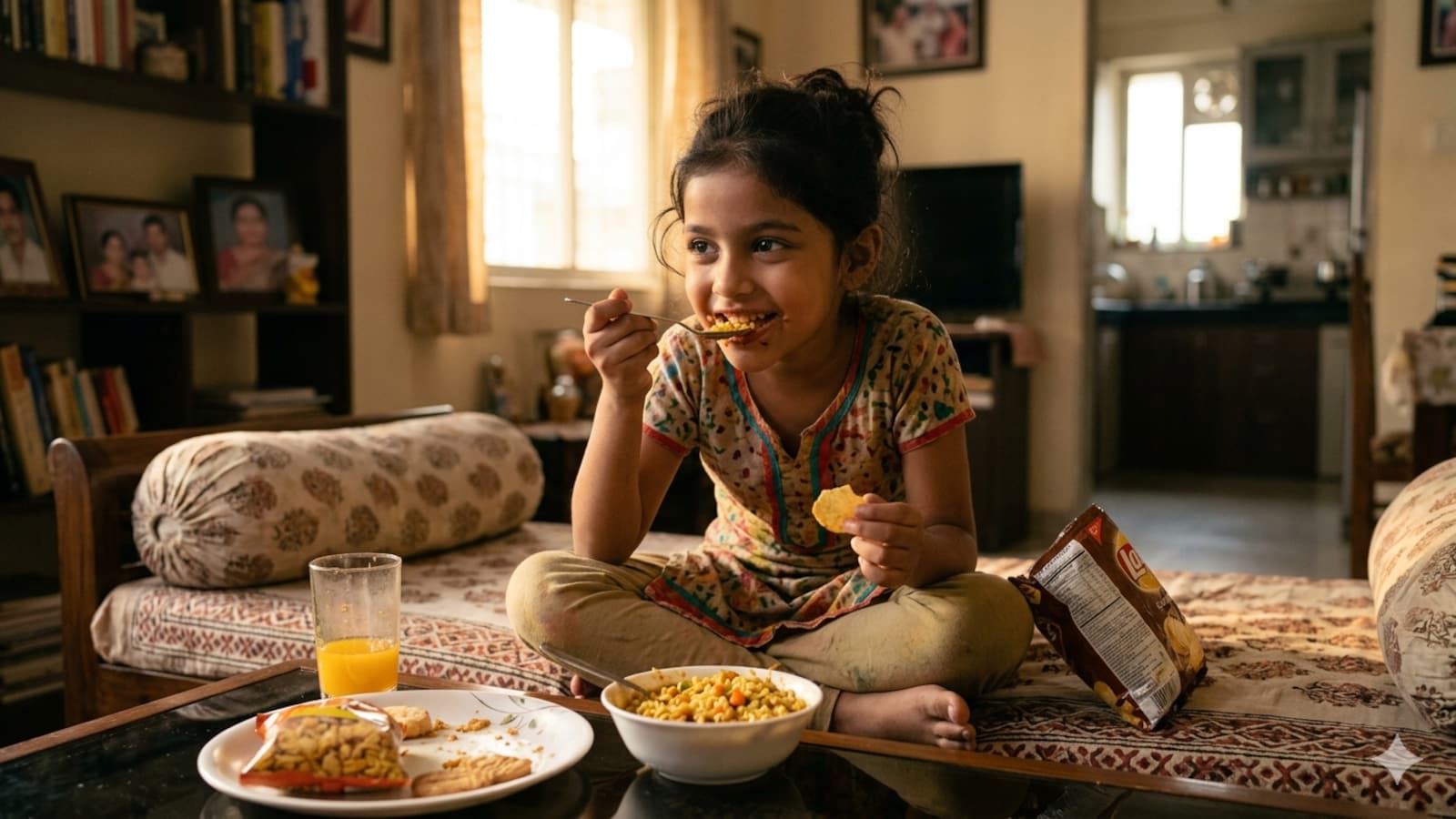
India is thinking about adding a special tax on junk food and sugary drinks to help people eat healthier.
This tax would make these foods more expensive, so people might buy them less often.
The money from the tax could be used to support health programs and make healthier foods more available.
Experts say this tax alone won't solve the problem, but it could be a good start if combined with other measures like better food labels and healthier school lunches.
The goal is to help people, especially children, stay healthy and avoid diseases like obesity and diabetes.

India is considering a health tax on junk food and sugary drinks to combat rising obesity and diet-related diseases.
The proposed tax ranges from 20% to 32% on various unhealthy foods and drinks.
The tax aims to reduce consumption and generate revenue for public health programs.
Experts recommend combining the tax with other measures like better food labeling and healthier school environments.
The goal is to create healthier food environments and reduce the risk of obesity and related diseases among children and adolescents.
- Who
- Indian government, ICMR-NIN, NITI Aayog, UNICEF India
- What
- Consideration of a health tax on junk food and sugary drinks
- When
- Recent discussions and policy recommendations
- Where
- India
- Why
- To combat rising obesity and diet-related diseases
Proponents of Health Tax
Opponents of Health Tax
Effectiveness in Reducing Consumption
Proponents of Health Tax
Proponents argue that a health tax will make junk food and sugary drinks more expensive, leading to reduced consumption and improved public health.
Opponents of Health Tax
Opponents contend that the tax may not significantly reduce consumption, as people might still purchase these products despite the higher cost.
Impact on Public Health
Proponents of Health Tax
Supporters believe that the revenue from the tax can be used to fund public health programs, awareness campaigns, and nutrition initiatives.
Opponents of Health Tax
Critics argue that the tax alone is not sufficient and must be combined with other measures like better food labeling and restrictions on marketing to children.
- General Obesity in India
- 254 million people
- Abdominal Obesity in India
- 351 million people
- Overweight or Obese Children (5-19 years)
- 41 million
- Proposed Health Tax on Sweets and Confectionery
- 20% to 30%
- Proposed Health Tax on Sugary Drinks
- 22% to 32%