

4 hrs ago
Citi Sees Continued Pain for Indian IT Stocks

Citi Research studied several large Indian technology companies.
It thinks their growth may remain slow for another year.
Companies are getting the most demand from banks and financial-services businesses.
Demand from healthcare, manufacturing, telecom and energy is less consistent.
Citi does not see a recovery happening across the whole industry yet.
Artificial intelligence may help companies win new work and become more productive.
However, AI could also push prices down for some existing services.
Citi’s targets suggest that Infosys and Mphasis have limited potential upside, while many other covered stocks could fall from the prices used in its analysis.

Citi Research expects another subdued growth year for Indian IT services, with no broad-based demand recovery yet.
Banking, financial services and insurance remains the strongest demand area, while healthcare, manufacturing, telecom and energy spending is mixed.
Citi’s target prices imply downside for most covered stocks; Infosys and Mphasis are the only exceptions.
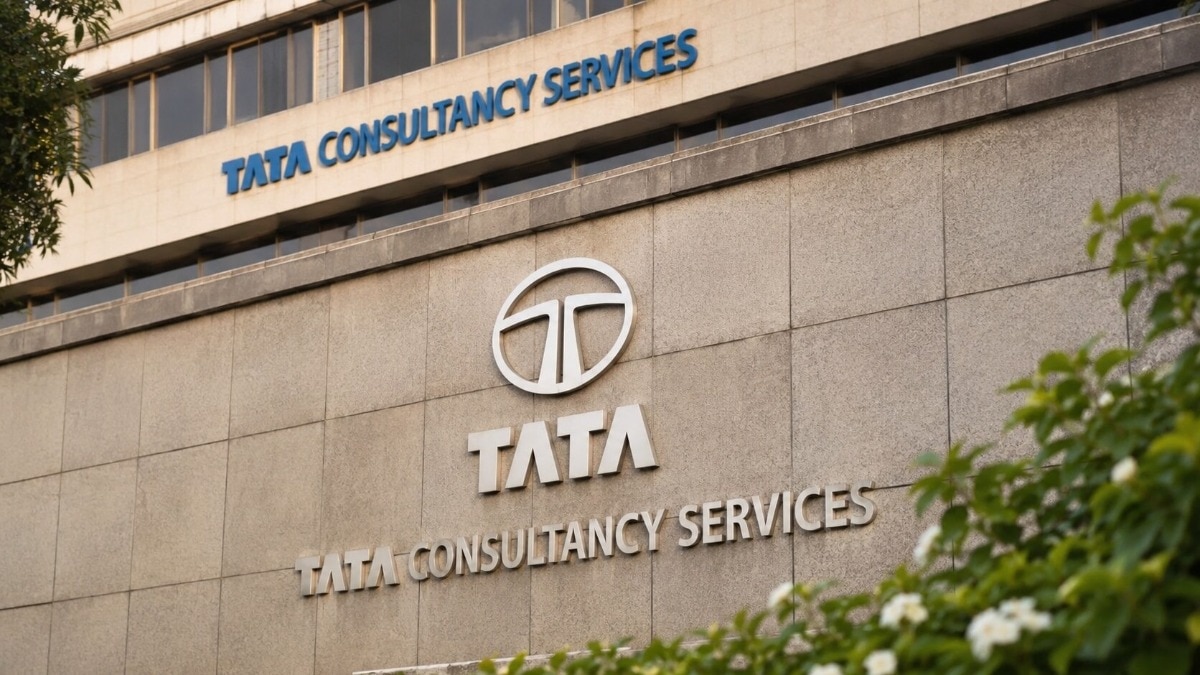
For FY27, Citi forecasts constant-currency revenue growth of 2.6% for Tata Consultancy Services, 1.5% for Infosys and 3.1% for HCL Technologies.
Citi says AI could create new technology opportunities but also increase pricing pressure on existing services businesses.
- Who
- Citi Research and Indian IT services companies, including Tata Consultancy Services, Infosys, Wipro and HCL Technologies.
- What
- Citi issued a cautious outlook for Indian IT services, forecasting subdued growth and downside to most covered stocks.
- Where
- India’s IT services sector.
- When
- The outlook concerns the upcoming earnings season and Citi’s FY27 and FY28 forecasts; valuation figures use prices from the September 25 close cited in the report.
- Why
- Demand remains uneven, AI-related pricing pressure is increasing, and Citi sees limited evidence of a broad-based recovery.
Citi Research’s Cautious Forecasts
Consensus Estimates
Revenue growth outlook
Citi Research’s Cautious Forecasts
Citi forecasts below-consensus growth for several companies, including Tata Consultancy Services and Infosys in FY27, and Wipro and LTIMindtree in both FY27 and FY28.
Consensus Estimates
Consensus estimates are higher for those companies, indicating expectations for stronger growth than Citi forecasts.
HCL Technologies outlook
Citi Research’s Cautious Forecasts
Citi forecasts HCL Technologies’ FY27 growth at 3.1%, slightly above the 3.0% consensus, but its FY28 forecast of 3.4% is below the 4.9% consensus.
Consensus Estimates
Consensus expects HCL Technologies to grow faster in FY28, at 4.9%.
Sector recovery
Citi Research’s Cautious Forecasts
Citi says demand remains uneven and that no company indicated a broad-based recovery.
Consensus Estimates
The article does not attribute a specific broad-based recovery claim to consensus estimates, but consensus forecasts generally imply stronger growth for several companies than Citi’s projections.
Key facts
- Citi’s preferred stocks
- Infosys and Mphasis are the only covered stocks with target prices above the prevailing prices in Citi’s table.
- Infosys target
- Rs 1,030, implying 2.9% upside based on the report’s stated figures.
- Mphasis target
- Rs 2,400, implying 5.7% upside based on the report’s stated figures.
- FY27 TCS growth forecast
- 2.6% constant-currency revenue growth, below the 3.4% consensus estimate.
- FY27 Infosys growth forecast
- 1.5% constant-currency revenue growth, below the 2.0% consensus estimate.
- FY27 HCL Technologies growth forecast
- 3.1% constant-currency revenue growth, slightly above the 3.0% consensus estimate.
- Strongest demand vertical
- Banking, financial services and insurance, according to Citi’s assessment.
Quotes
Citi Research analyst Goyal
Analyst cited as the author of Citi Research’s sector assessment
“Investor sentiment appears mixed – debates on what the eventual outcome of deflation in existing businesses and acceleration in new work imply for overall sector growth.”
 financialexpress.com
“Context is key. Proprietary workflows, process data and enterprise knowledge are becoming more valuable than model access.”
financialexpress.com
Sources
Related news

BoB Capital Cuts IT Stock Targets Amid AI Disruption Risks

Nirmal Bang Flags AI Pressure, Sets IT Stock Targets

Brokerage Names Five Indian IT Stocks for AI-Led Growth

Indian IT Stocks Surge as Investors Reassess Frontier AI Risks
TCS Shares Slip as JM Financial Reviews Growth and Margins
Choice names Coforge, Persistent, Tech Mahindra top IT picks

Indian Stocks Extend Losses as Oil Prices Weigh on Sentiment

Indian Stocks in Focus as Deals, Orders and Results Emerge

Indian Stocks Spotlight Tata Restructuring, Deals and Expansion

Wealth firms pursue AI, but few develop agentic systems
