

Archive · 23 Jul 2026
Economic Impact of Protests: History and Insights
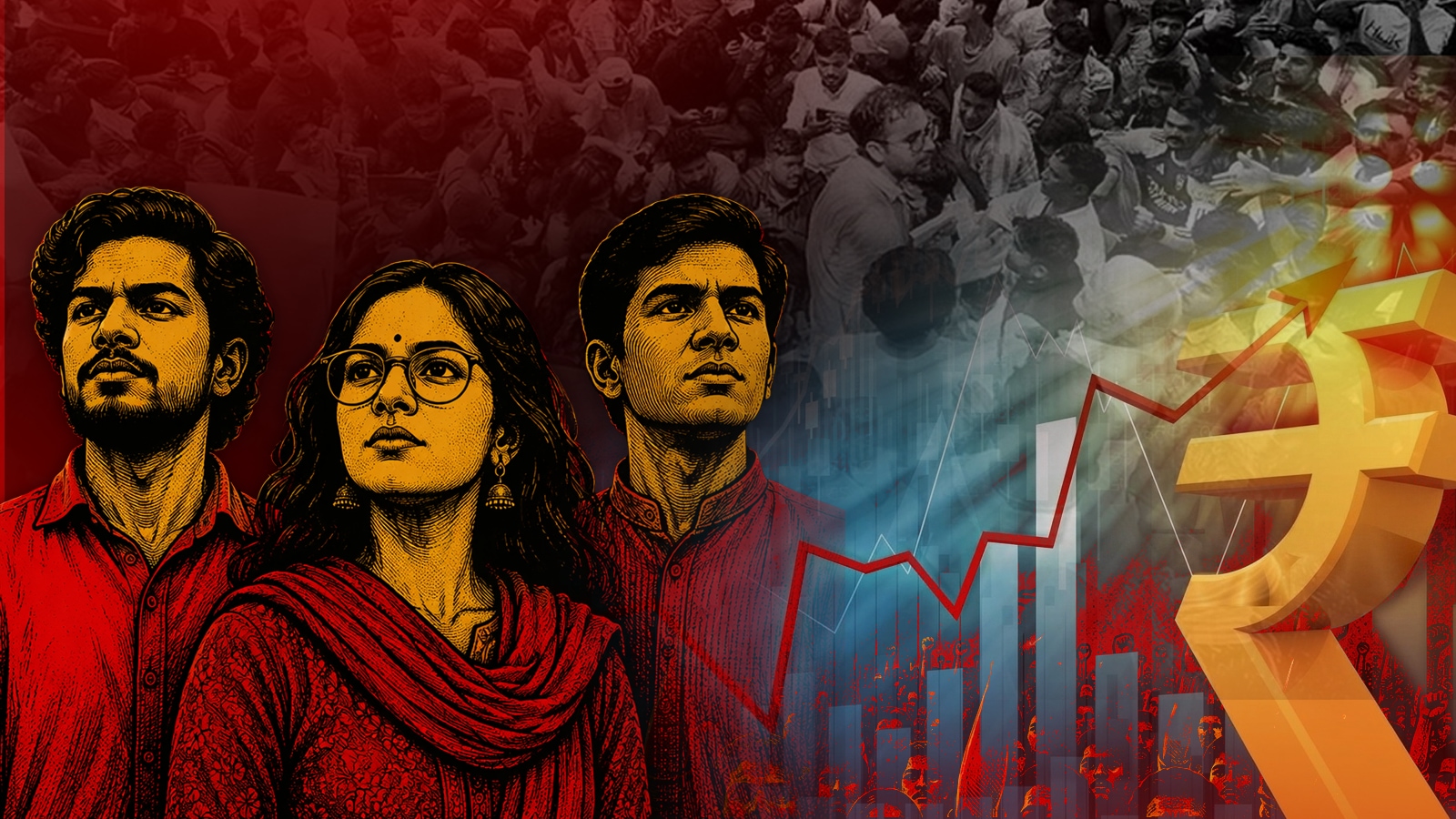
Protests are a big part of democracy, but they can also affect the economy.
Economists say that when there are lots of protests, it can make people and businesses worried, which can slow down the economy.
The International Monetary Fund (IMF) found that after big protests, the economy often grows slower, and stock markets can lose value.
In India, there have been many protests recently, especially about exams and education.
Protests can have different effects depending on the country's political system.
In more democratic countries, the impact on the economy is usually smaller.
So, while protests are important for raising issues, they can also have big effects on the economy.

Protests can disrupt economic activity and affect consumer and investor confidence.
Major unrest events can lead to a decline in GDP and stock market returns.
The probability of unrest increases if a country has recent unrest or neighboring countries experience unrest.
In India, protests have risen over the past decade, focusing on education and exams.
The impact of protests on the economy is generally smaller in more democratic countries.
- Who
- Economists, IMF, ACLED, Protesters, Government
- What
- Economic impact of protests
- When
- Ongoing, with historical data from 1985 to 2025
- Where
- Global, with a focus on India
- Why
- To understand the economic consequences of social unrest
Protest Supporters
Economic Stability Advocates
Role of Protests in Democracy
Protest Supporters
Protests are essential for democratic expression and addressing socio-economic issues.
Economic Stability Advocates
Frequent protests can disrupt economic stability and investor confidence.
Impact on Economic Growth
Protest Supporters
Protests highlight critical issues that need government attention and can lead to positive policy changes.
Economic Stability Advocates
Protests often lead to a decline in economic activity and GDP growth.
Market Reactions
Protest Supporters
Protests can bring attention to systemic issues that need addressing, potentially leading to long-term market stability.
Economic Stability Advocates
Prolonged instability from protests can cause significant declines in stock market returns.
- Probability of Major Unrest
- 1% per month, rises to 4% if recent unrest occurred, doubles with neighboring country unrest
- GDP Impact
- 1 percentage point lower six quarters after major unrest
- Stock Market Impact
- Average decline of 1.4 percentage points in returns
- Protest Frequency in India
- Over 20,000 demonstration events in 2024 and 2025
- Key Protest Themes in India
- Public examinations and higher education reforms