Archive · 21 Jul 2026
NPCI Plans Offline UPI Payments at PoS Terminals

The National Payments Corporation of India (NPCI) is working on a new system that will allow people to make payments using UPI even when there is no internet connection.
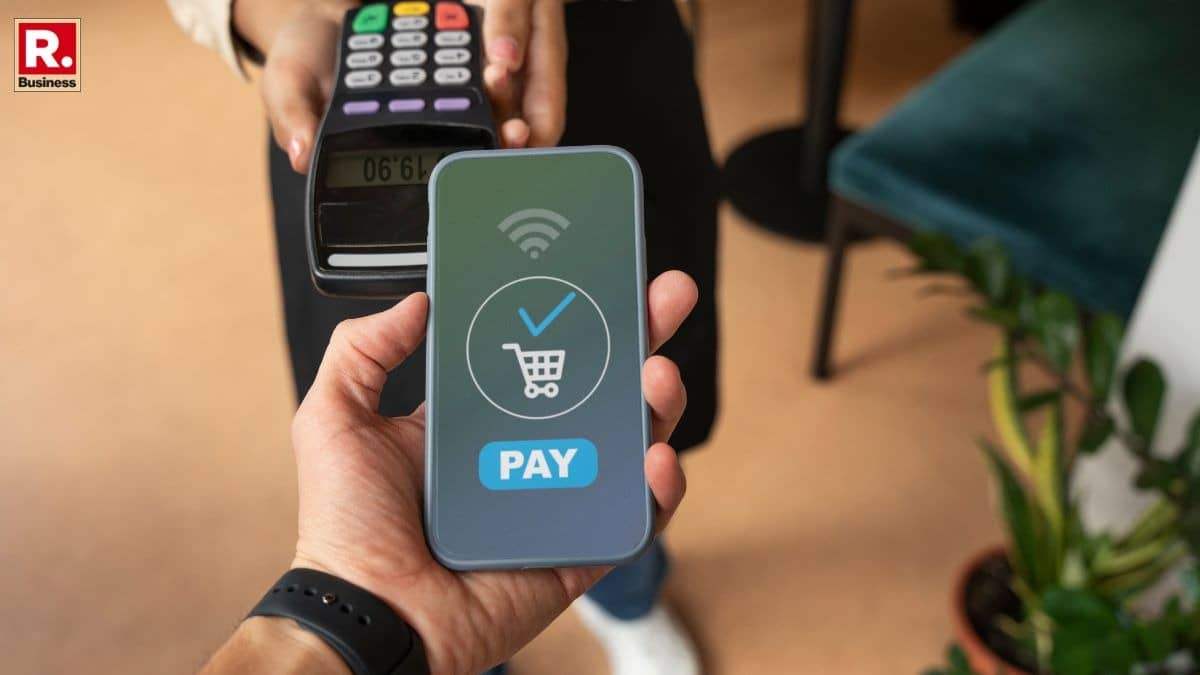
This system will use a technology called NFC, which lets you pay by tapping your phone on a special machine at the shop.
You can pay up to ₹2,000 this way.
First, you need to add money to a special wallet on your phone while you are connected to the internet.
Then, you can use this money to pay at shops without needing to enter a PIN.
The machines that accept these payments will need to be approved by NPCI.
This new system will help people in places where the internet is not reliable, like on airplanes or in underground trains.
It will also make it easier for people to use digital payments instead of cards.
NPCI has already started a similar system called UPI Lite X, but this new system will work with more types of payment machines.

NPCI is developing a system for offline UPI payments at PoS terminals using NFC technology.
Payments up to ₹2,000 can be made by tapping an NFC-enabled smartphone on a certified PoS terminal.
Certification of compatible PoS devices is expected to begin in 2026.
Users will first add funds to their UPI Lite wallet while connected to the internet.
Offline payments will be temporarily stored and verified once internet connectivity is restored.
- Who
- National Payments Corporation of India (NPCI)
- What
- Plans to enable offline UPI payments at PoS terminals using NFC technology
- When
- Certification of compatible PoS devices expected to begin in 2026
- Where
- Areas with weak or no internet connectivity, such as remote locations and underground transport networks
- Why
- To improve digital payment access and reduce dependence on traditional card-based payment systems
Proponents of Offline UPI
Critics of Offline UPI
Accessibility in Remote Areas
Proponents of Offline UPI
Proponents argue that offline UPI payments will improve digital payment access in areas with weak or no internet connectivity, such as remote locations and underground transport networks.
Critics of Offline UPI
Critics contend that the technology may not be reliable enough to ensure seamless transactions in all remote areas, potentially leading to user frustration.
Security Concerns
Proponents of Offline UPI
Proponents believe that the temporary storage of payment authorization details and subsequent verification once connectivity is restored ensures security.
Critics of Offline UPI
Critics express concerns about the security risks associated with storing payment details offline, which could be vulnerable to hacking or data breaches.
Dependence on Traditional Payment Systems
Proponents of Offline UPI
Proponents see this as a step towards reducing dependence on traditional card-based payment systems, promoting digital payments.
Critics of Offline UPI
Critics argue that the move might not significantly reduce reliance on traditional systems if the offline UPI feature faces adoption challenges.
- Technology Used
- Near-field communication (NFC)
- Maximum Offline Payment Limit
- ₹2,000
- Expected Certification Start Year
- 2026
- Initial UPI Lite Wallet Requirement
- Internet connectivity required to add funds
- Payment Authorization Storage
- Temporarily stored offline, verified upon reconnection
- Certification Requirement for PoS Terminals
- NPCI certification mandatory
- Previous Offline Payment Effort
- UPI Lite X (launched in 2023)
- Guidelines for Merchant Payment Infrastructure
- NFC-enabled 'Scan or Tap to Pay' features