

Archive · 2 Nov 2025
Monopoly: From Economic Critique to Capitalist Icon
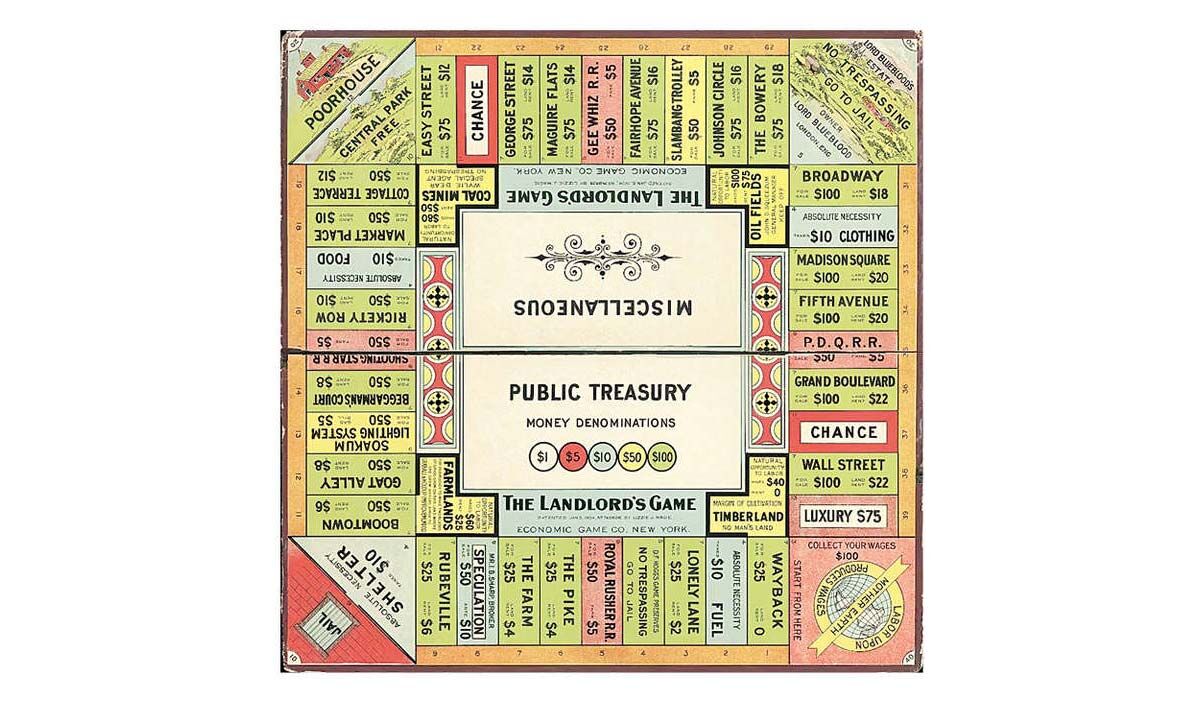
Imagine a game about buying properties and trying to get rich.
That's Monopoly!
It started a long time ago, almost 90 years back, as a way to show how unfair it is when one person owns all the land and makes everyone else pay them.
But then, a man changed the rules so the goal was just to make as much money as possible and bankrupt your friends.
This version became super popular, especially during a tough time called the Great Depression, because it made people feel like they could be successful.
Over the years, Monopoly has been made in thousands of different ways, with places from all over the world and even featuring characters from movies and TV shows.
Even though some people think the physical money is better than digital banking, it's still a favorite game for families and helps people learn about how money and businesses work.

Monopoly, a popular board game since its 1935 release, has sold over 390,000 copies in Australia.
The game originated from Elizabeth Magie's 'The Landlord's Game' (1903), designed to critique land ownership monopolies and promote economic equality.
Charles Darrow adapted the game in 1935, removing its socialist critique and focusing on wealth accumulation, selling it to Parker Brothers.
Monopoly has evolved into over 3,400 versions and remains a flagship brand for Hasbro, valued at an estimated $272 million in 2018.
The game continues to be a favorite across generations, serving as a tool for understanding capitalism and economic systems, while also being a source of family bonding.
- Who
- Charles Darrow, Elizabeth Magie, Parker Brothers (now Hasbro), economists, educators, and players
- What
- The evolution of the board game Monopoly from an economic critique to a capitalist icon, highlighting its history, playability, and enduring popularity.
- When
- Originally The Landlord's Game in 1903, Monopoly released in 1935, and continuing to the present day.
- Where
- Globally, with specific mention of Australia and Atlantic City.
- Why
- To critique monopolistic land ownership, later evolving into a game focused on wealth accumulation and capitalism, and serving as a tool for understanding economic systems.
- Founded
- 1935
- Best-selling licensed board game of all time
- True
- Copies sold in Australia
- Over 390,000
- Estimated brand worth
- $272m (2018)
- Number of versions
- Over 3,400
- World record holder for sets owned
- Neil Scanlon (4,379 sets)