

Archive · 17 Dec 2025
China's Brahmaputra Mega Dam Raises Concerns for India
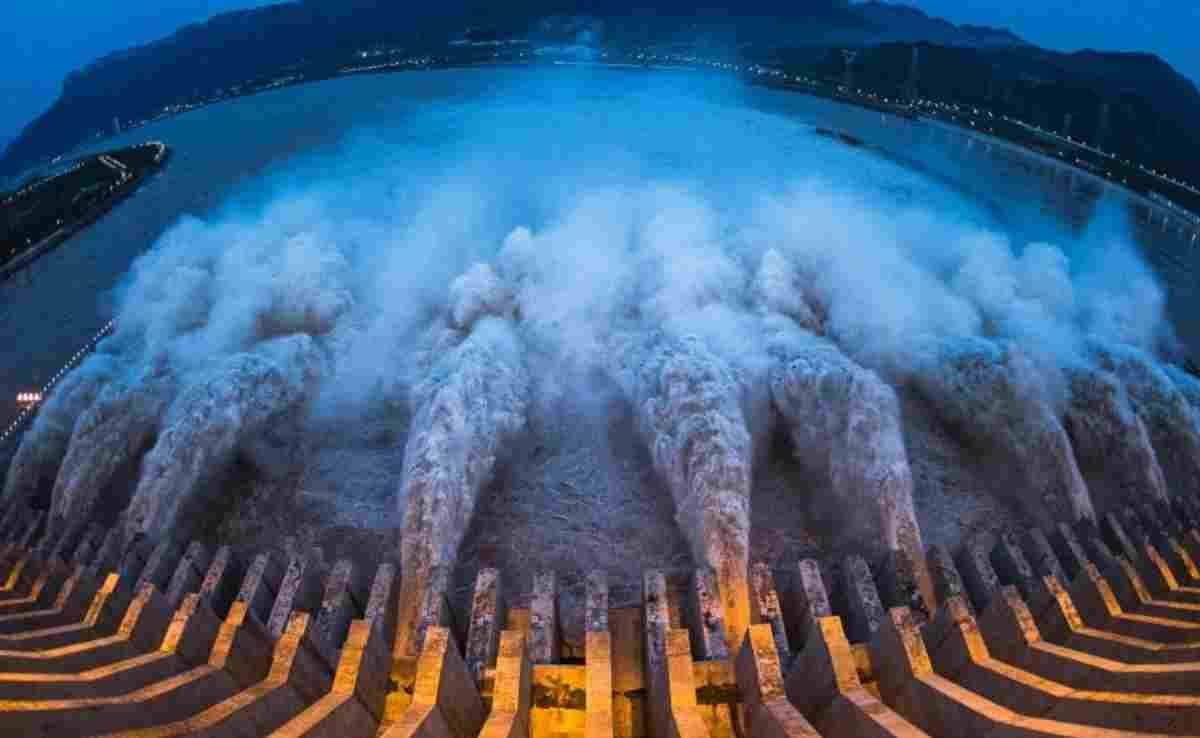
China is building a huge dam on the Yarlung Tsangpo river, which becomes the Brahmaputra in India.
This dam could affect the river's flow, which is important for farming, fishing, and daily water needs for millions of people.
Experts are worried it might harm the environment and the people who live near the river.
China says the project is safe, but India is watching closely.
The dam could also cause problems between China and India because both countries rely on the same river.
Some people think both countries should work together to avoid these issues.

China is building a $168 billion hydropower system on the Yarlung Tsangpo river, which becomes the Brahmaputra in India.
Experts warn the project could alter the river's natural rhythms, affecting agriculture, biodiversity, and water supply downstream.
The project involves a complex network of dams, reservoirs, and underground power stations, described as both sophisticated and risky.
India is concerned about potential impacts on sediment movement, fish migration, and seasonal flooding patterns crucial for its agriculture.
The dam also has geopolitical implications, with China potentially leveraging control over critical regions like Tibet and its borders.
- Who
- China, India, indigenous communities (Monpa, Lhoba), endangered species (Bengal tigers, clouded leopards, black bears, red pandas)
- What
- Construction of a massive hydropower system on the Yarlung Tsangpo river (Brahmaputra in India)
- When
- Project details and concerns are currently being discussed; specific timelines not provided
- Where
- Yarlung Tsangpo river in Tibet (China), Brahmaputra river in India and Bangladesh
- Why
- To generate clean energy, but concerns include environmental impact, geopolitical tensions, and potential disruption of water flow for downstream countries
- Project Cost
- $168 billion
- River Names
- Yarlung Tsangpo (China), Brahmaputra (India)
- Altitude Drop
- 2,000 metres
- Potential Impact
- Altered river rhythms, ecosystem disruption, geopolitical tensions
- Indigenous Communities
- Monpa, Lhoba
- India's Response
- Monitoring, preventive measures
- China's Stance
- Decades of research, safety and ecological protection measures