

Archive · 7 Jun 2025
Leprosy Re-Emerges in India Due to Climate Change
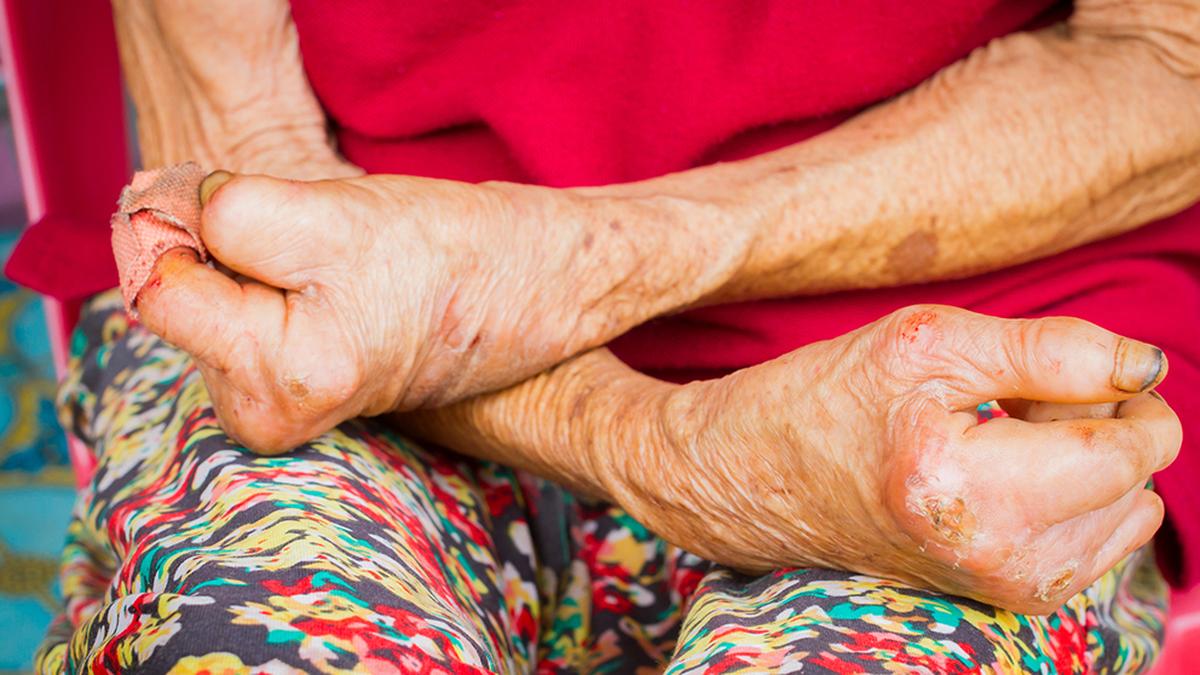
Leprosy, a disease that was once a major problem in India, is making a comeback.
This is especially true in areas hit hard by climate change, like floods and droughts.
Climate disasters often make it harder for people with leprosy to get help.
These extreme events also lead to crowded living conditions, which can spread the disease.
Experts say more needs to be done to help these communities, including better healthcare and more awareness of how climate and leprosy are connected.
The lack of funding for these issues makes it even more difficult.

Leprosy is resurfacing in India, particularly in climate-stressed states.
India reported over 100,000 new leprosy cases in 2022-23.
Climate-related disasters disproportionately affect leprosy-affected communities.
Overcrowding and displacement due to climate events increase transmission risks.
Urgent interventions by government and NGOs are needed to address the issue.
- Who
- People affected by leprosy and communities in climate-stressed areas of India.
- What
- Leprosy cases are resurfacing in India, linked to climate change impacts such as floods and displacement.
- When
- The increase in cases is recent, with data from 2022-23 showing a significant number of new cases.
- Where
- India, particularly in climate-vulnerable states like West Bengal, Bihar, Odisha, and Chhattisgarh.
- Why
- Climate change is increasing risk factors like malnutrition, limiting access to clean water and poor hygiene which contribute to leprosy spread. Additionally, lack of funding and resources impacts these communities
- New leprosy cases in India (2022-23)
- 1,03,819
- Grade 2 disability (G2D) cases in India (2022-23)
- 2,363
- India's share of global G2D cases
- 25%
- Districts in India at risk of 'triple jeopardy'
- 30
- Leprosy eliminated as a public health problem in India
- 2005