Archive · 21 Aug 2025
Blue Light and Screens: How They Affect Sleep and Memory
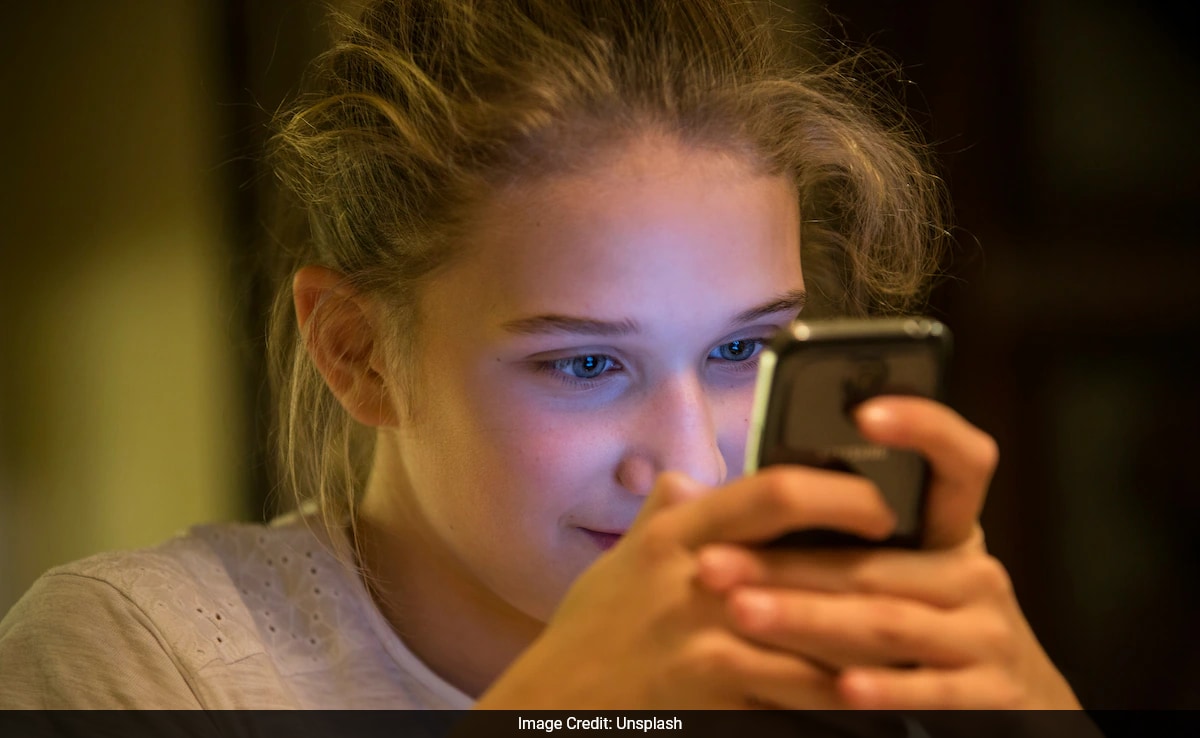
Screens like phones and tablets emit blue light, which can hurt sleep and memory.
This light reduces melatonin, making it hard to sleep well.
Too much screen time might also affect how kids' brains grow.
Games and social media can be addictive because they offer rewards that keep you wanting more.
To help, set limits, turn off alerts, and spend time away from screens.

Screens emit blue light that can disrupt sleep by reducing melatonin.
Using devices before bed can make it harder to fall asleep and decrease deep sleep.
Excessive screen time can interfere with brain development in children.
Online games and social media employ variable reward systems that can be addictive.
Setting screen time limits and creating screen-free zones can mitigate negative effects.
- Who
- People who use devices with screens, particularly children.
- What
- The impact of blue light from screens on sleep and memory.
- When
- Not explicitly mentioned.
- Where
- Not explicitly mentioned.
- Why
- To understand the effects of screen usage on health and well-being.
- Source of Blue Light
- Screens of smartphones, laptops, and other devices.
- Effect on Sleep
- Reduces melatonin production
- Impact on Children
- May interfere with brain development
- Addictive Elements
- Variable reward systems in games and social media
- Solutions
- Screen time limits, screen-free zones, new hobbies