

Archive · 6 Nov 2025
Young Leaders Reshaping Global Politics with Activism and Digital Savvy
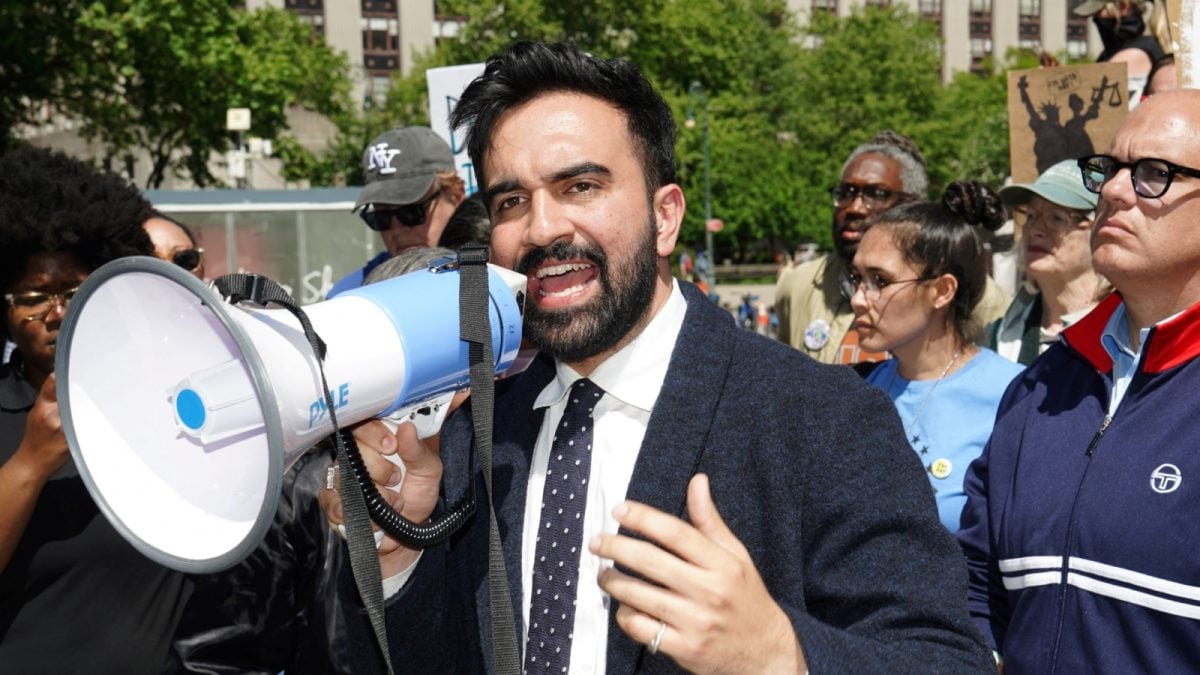
Imagine politics as a playground that used to be run by older kids with strict rules.
Now, a group of younger players are coming in, and they're changing how the game is played.
These new leaders, like Zohran and Sanna, are often in their 20s and 30s.
They grew up seeing problems like the world getting warmer and people not having enough money, and they feel like the older leaders aren't doing enough.
So, they're using new tools, like social media, to talk directly to people and organize rallies for important causes.
They talk about fairness, caring for each other, and making sure everyone feels valued, not just about things like money.
They've come from protests and movements, and they want to make politics feel more real and connected to everyday life.
It's like they're giving politics a fresh makeover, focusing on empathy and doing what's right for everyone, everywhere.

A new wave of young leaders are globally reshaping politics with activism, digital fluency, and a focus on issues like climate justice and economic fairness.
These leaders, including figures like Zohran Mamdani, Sanna Marin, and Chlöe Swarbrick, often emerge from street-level organizing and social movements.
A significant driver for this shift is a deep distrust in traditional political systems and a growing anxiety about climate change among younger generations.
Young politicians are leveraging social media to bypass traditional media, connect directly with constituents, and build political momentum rapidly.
The emergence of these leaders signifies a generational power shift, redefining political legitimacy through authenticity, accessibility, and purpose rather than solely experience or hierarchy.
- Who
- A new generation of young leaders, including Zohran Mamdani, Sanna Marin, Chlöe Swarbrick, Irene Montero, and Raghav Chadha.
- What
- These leaders are challenging traditional political structures by blending activism with governance, utilizing digital platforms, and focusing on issues like climate justice, economic fairness, and social equality.
- When
- Recent years, with a notable acceleration in the current period.
- Where
- Globally, including the US, Finland, New Zealand, Spain, and India.
- Why
- Driven by a growing distrust in traditional politics, existential climate anxiety, and the transformative impact of the digital revolution on how movements are built and sustained.
- Key Figures
- Zohran Mamdani, Sanna Marin, Chlöe Swarbrick, Irene Montero, Raghav Chadha
- Core Themes
- Climate Justice, Housing Reform, Gender Equality, Economic Fairness, Digital Engagement
- Driving Forces
- Distrust in traditional politics, climate anxiety, digital revolution
- New Political Language
- Dignity, Care, Well-being over traditional economic terms
- Emergence Factors
- Protests, youth movements, social media activism