

Archive · 27 Oct 2025
Blood Sugar Levels: What is Considered Normal?
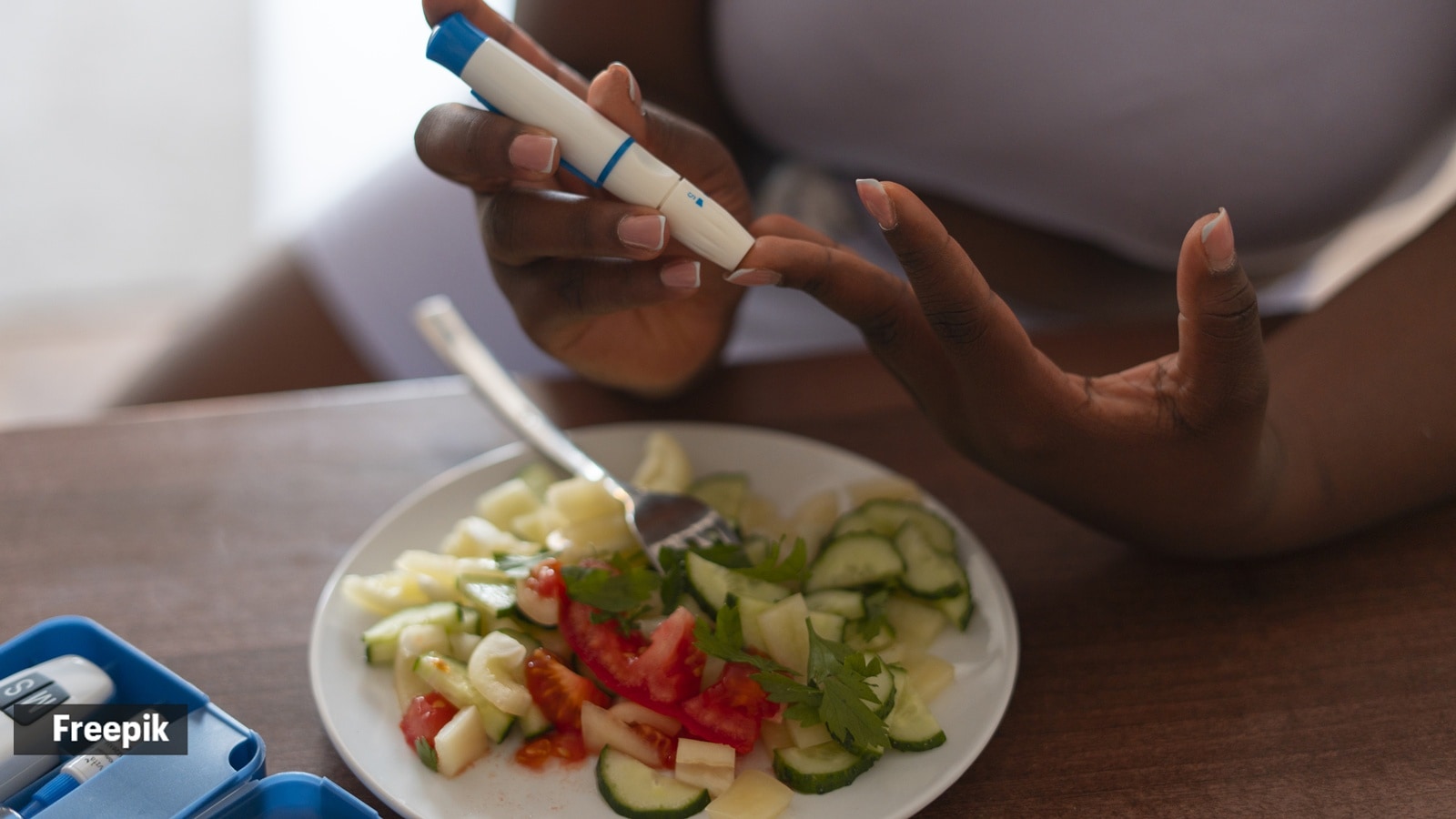
If your blood sugar is between 110-140 mg/dL, it might be okay after meals, but could mean a problem if it's always that high, especially before eating.
Healthy blood sugar before a meal should be between 70-99 mg/dL.
High numbers can be caused by things like stress or bad eating habits.
You can often improve things with a healthy diet and exercise.
If you have symptoms or very high readings, see a doctor.
Things like eating lots of veggies, walking, and managing your weight can help.
Always talk to a doctor before making any big changes.

A blood glucose reading of 110–140 mg/dL may be acceptable after meals but could signal prediabetes if occurring before meals.
Normal fasting blood glucose for those without diabetes is roughly 70–99 mg/dL.
Causes for elevated blood sugar levels include stress, poor sleep, missed meals, and high-carb snacks.
Early interventions such as diet and exercise may normalize blood sugar levels.
Individuals should consider getting a fasting level check, HbA1c test, and consulting with a primary care clinician.
- Who
- Medical experts and individuals with questions about blood sugar levels.
- What
- Information regarding normal blood sugar levels, potential causes for elevated levels, and recommendations for management.
- When
- The article discusses blood sugar levels throughout the day.
- Where
- The information originates from medical experts in Mumbai, India.
- Why
- To inform people about blood sugar ranges and what they mean for health.
- Normal Fasting Blood Glucose
- 70–99 mg/dL for people without diabetes
- Post-Meal Reading (2 hours)
- Below 140 mg/dL (for those without diabetes)
- Blood Sugar Range Discussed
- 110 to 140 mg/dL
- Acceptable Readings After Meals
- Fairly acceptable for most adults
- Actions to Consider
- Fasting level check, HbA1c test, discussing results with clinician
- Symptoms Requiring Medical Attention
- Excessive thirst, frequent urination, weight loss, blurry vision, or readings above 180–200 mg/dL