Archive · 3 Oct 2026
WhatsApp Rolls Out Optional Parental Controls for Teenagers

WhatsApp is introducing optional tools to help parents and teenagers set up the app together.
The tools are being rolled out gradually, including in India.
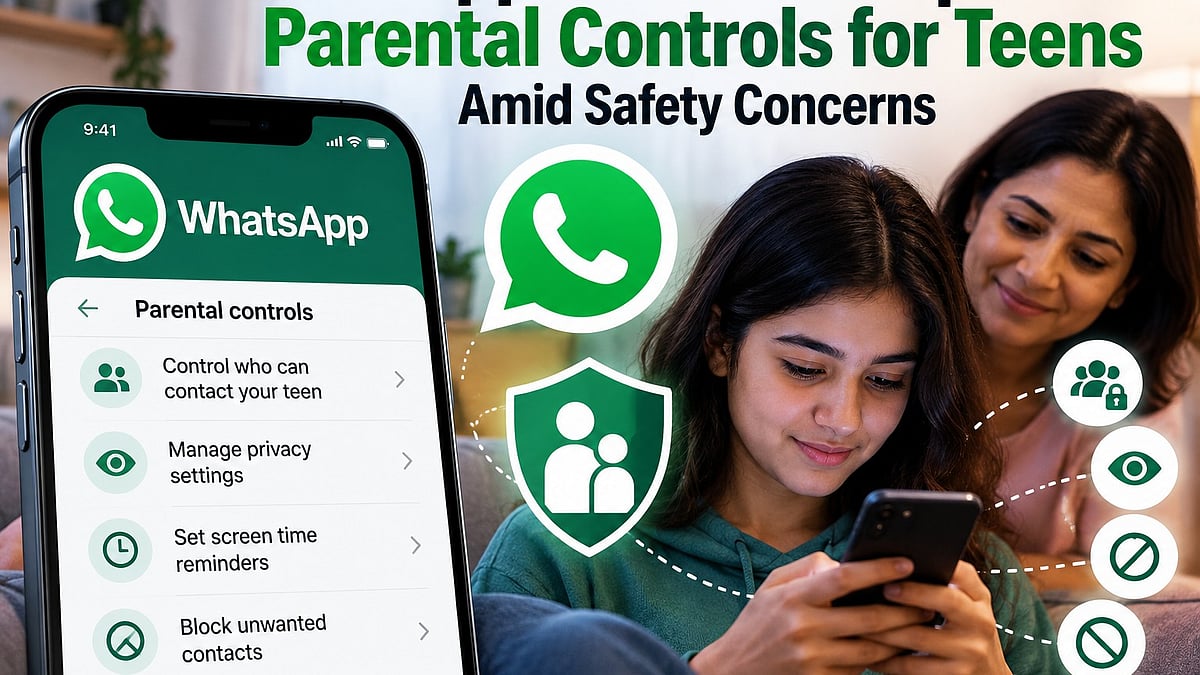
Parents can manage some privacy settings, such as who can see a teenager’s profile photo and who can add them to groups.
A parent-set PIN may be needed if a teen wants to loosen certain settings.
Parents can also receive alerts about some group activity.
They can manage some Channel and Status choices and select a more restricted setting for Meta AI.
Families can change or turn off the controls.
The controls do not let parents read private messages or listen to calls, which remain protected by end-to-end encryption.

WhatsApp is gradually rolling out optional parental controls for teenagers, including in India.
Parents can manage selected privacy settings, including who sees a teen’s profile photo and who can add them to groups.
Parents may receive alerts when a teen joins or leaves a group or when a group grows significantly.
Controls cover Channels, Status settings and Meta AI, including a stricter Limited Content option.
Parents cannot read teens’ personal messages or listen to calls, which remain protected by end-to-end encryption.
- Who
- WhatsApp, parents and teenagers.
- What
- WhatsApp introduced optional tools for parents to manage selected privacy settings, group alerts, Channels, Status and Meta AI settings for teenagers.
- When
- The announcement was reported on September 30; the year is not specified. The rollout is gradual.
- Where
- The controls are being introduced in India and rolled out gradually, with availability varying by region.
- Why
- WhatsApp says the tools are intended to help parents and teens choose an appropriate experience together and discuss safer use while keeping personal communications private.
Safety and parental guidance
Teen privacy and choice
Parental oversight
Safety and parental guidance
Supporters of the tools may see privacy controls, group alerts and content restrictions as ways for families to guide teenagers’ use of WhatsApp.
Teen privacy and choice
The controls are optional, and WhatsApp says parents cannot access teens’ private messages or calls.
Platform responsibility
Safety and parental guidance
The rollout comes amid reported scrutiny and pressure on technology companies to introduce online safety measures for children.
Teen privacy and choice
WhatsApp presents the tools as flexible settings for families to configure together, rather than access to private conversations.
- Availability
- The controls are optional and are being rolled out gradually; they may not yet be available to every family or region.
- Privacy settings
- Parents can manage selected settings, including who can view a teen’s profile photo and who can add the teen to groups.
- PIN
- A parent-set PIN may be required for a teen to make certain settings less restrictive.
- Group alerts
- Parents may be notified when a teen joins or leaves a group or when a group’s membership increases significantly.
- Channels and Status
- Controls include some choices about Channel access or creation and which Status updates a teen can view or who can view the teen’s Status.
- Meta AI
- Parents can choose the standard 13+ experience or the more restrictive Limited Content option.
- Private communications
- Parents cannot read teens’ personal messages or listen to their calls; these remain protected by end-to-end encryption.
- Minimum age
- WhatsApp’s minimum age remains 13.
Sources

WhatsApp Introduces Parental Controls for Teenagers
WhatsApp parental controls for teens: Can parents read messages? What they can see and change. All you need to know

WhatsApp Launches New Parental Controls For Teens In India: What You Can Control And How To Set Up
Worried about who your teen is talking to on WhatsApp? Messaging platform rolls out parental controls: Details

WhatsApp New Parental Controls For Teens: What Parents Can Now Control