

Archive · 18 Dec 2025
India's Oldest Education Board and Evolution of CBSE and ICSE
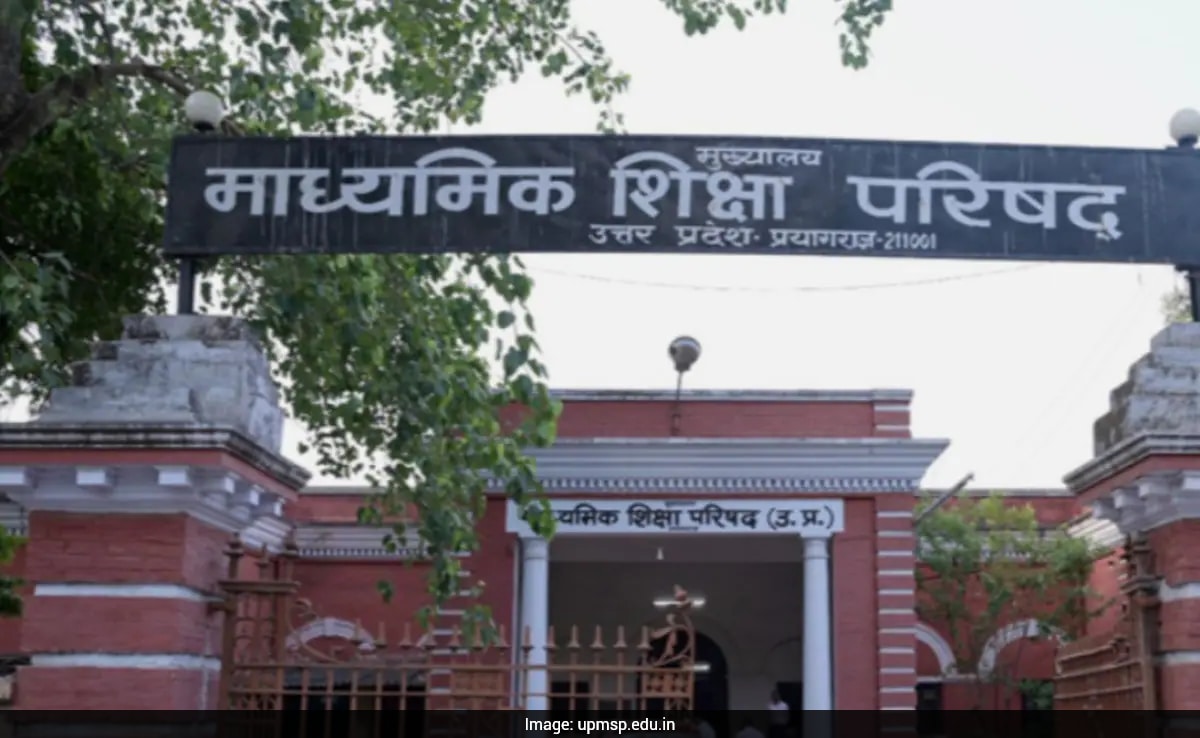
India's oldest education board is the UPMSP, started in 1921.
It was the first to use the 10+2 system for exams.
The UP Board grew big, but later, other boards like CBSE and ICSE were created.
CBSE started in 1929 to help different regions.
ICSE began in 1990 to help poor and marginalized students.
All these boards have shaped how schools work in India today.
The UP Board still examines millions of students every year.

UPMSP, established in 1921, is India's oldest education board, pioneering the 10+2 system.
UP Board initially served regions beyond Uttar Pradesh but later focused on its own state.
CBSE evolved from a 1929 board for Rajputana, Ajmer-Merwara, Central India, and Gwalior.
ICSE was created in 1990 to support disadvantaged groups, managed autonomously.
UP Board remains the largest examining body, handling exams for 64 lakh students annually.
- Who
- UPMSP (Uttar Pradesh Madhyamik Shiksha Parishad), CBSE (Central Board of Secondary Education), ICSE (Indian Certificate of Secondary Education)
- What
- Evolution and history of India's oldest education boards
- When
- UPMSP established in 1921, CBSE predecessor in 1929, ICSE in 1990
- Where
- India, with UP Board initially serving regions like Rajputana, Central India, and Gwalior
- Why
- To understand the foundation and development of India's school education system
- UPMSP Establishment
- 1921
- First Examinations Conducted
- 1923
- UP Board Regional Offices
- Meerut, Varanasi, Bareilly, Prayagraj, Ramnagar (Nainital)
- CBSE Predecessor
- Board of High School and Intermediate Education for Rajputana, Ajmer-Merwara, Central India and Gwalior (1929)
- ICSE Establishment
- 1990
- ICSE Administration Transfer
- 2009 (to Council of Basic and Technical Education)
- UP Board Annual Examinees
- 64 lakh students