Archive · 26 Jan 2026
Indian Families Struggle with Emotional Expression
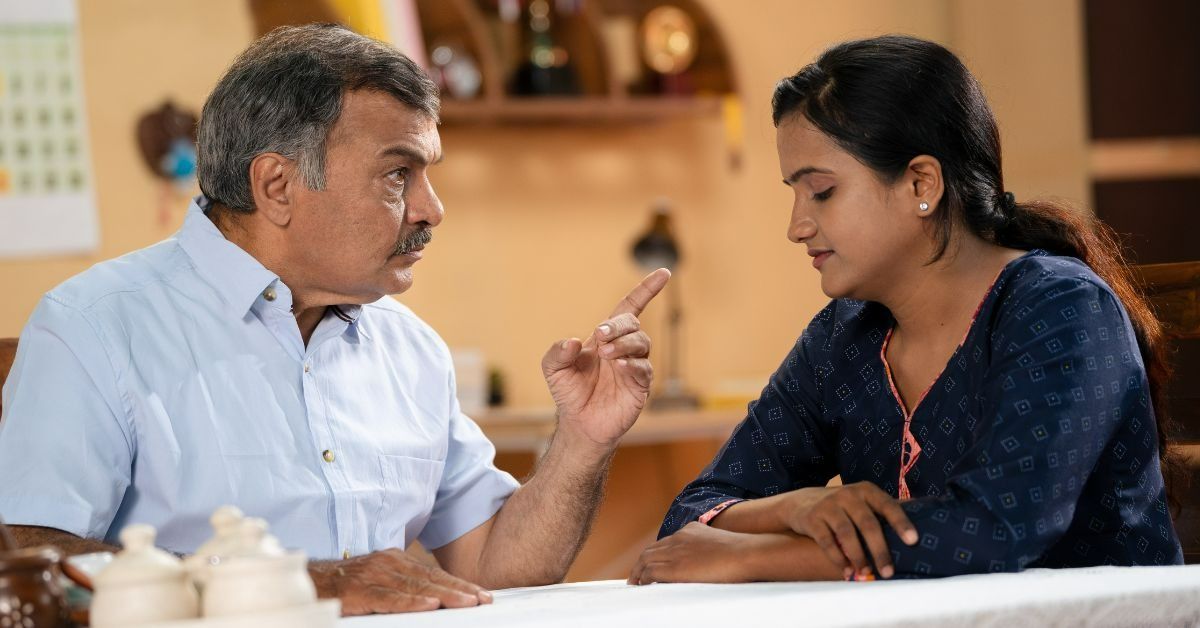
In many Indian families, people often don't talk about their feelings.
Instead, they focus on practical things like school, food, and family events.
When emotions do come up, they are quickly dismissed or fixed, which can make people feel like their feelings don't matter.
Experts say that families can change this by simply listening to each other without trying to solve problems right away.
For example, a parent can say, 'I see you're upset.
Can you tell me more?'
This helps children feel understood and teaches them to handle their emotions better.
Small, everyday moments like meals or car rides can be good times to talk about feelings.
Over time, this can help families become more open and supportive, making everyone feel safer and more connected.

Indian families often avoid discussing emotions, focusing instead on practical matters.
Experts suggest that validating emotions and listening without immediately offering solutions can help.
Parents can use phrases like 'I see you're upset. Can you tell me more?' to make children feel heard.
Everyday moments, like meals or car rides, can be opportunities to talk about feelings.
Open emotional expression at home is crucial for mental health, as many Indians lack adequate mental health support.
- Who
- Indian families, particularly parents and children
- What
- The struggle to openly discuss and validate emotions within Indian families
- When
- Ongoing cultural issue, with recent expert insights
- Where
- India
- Why
- Cultural norms and habits of avoiding emotions, leading to deeper distress and lack of emotional well-being
- Primary Category
- SOCIETY
- Secondary Category
- Family Dynamics
- Tertiary Category
- Emotional Expression
- Quaternary Category
- Indian Culture