

Archive · 24 Jun 2025
HBCU Struggles, HIV Breakthroughs, China's Latin America Push
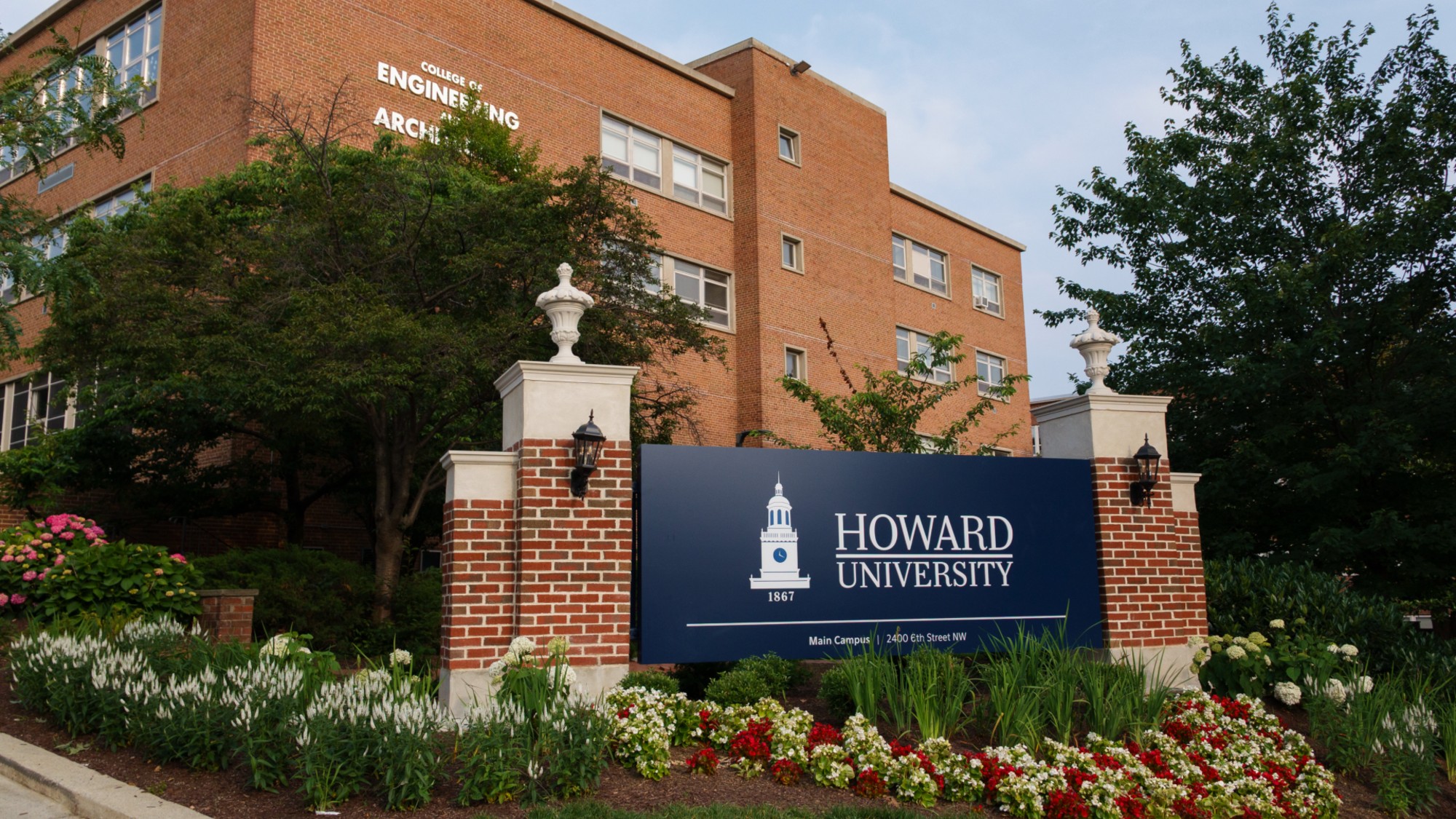
Historically Black Colleges and Universities (HBCUs) often struggle financially despite having support from both sides of politics.
They try to stay out of political fights.
New HIV medicines help stop the virus from spreading and slow down AIDS.
These medicines were created with help from the government.
China is increasing its influence in Latin America, making these countries less dependent on the U.S., which could present new challenges.

HBCUs face under-resourcing despite bipartisan support and complex partisan politics.
HBCUs prioritize avoiding political controversy to maintain support.
Gilead developed HIV treatments using government-funded research.
New HIV antiviral pills can prevent transmission and slow AIDS.
China's increased influence reduces Latin America's reliance on the U.S.
- Who
- HBCUs, Gilead, China, Latin American countries.
- What
- HBCUs face financial and political challenges; new HIV treatments developed; China expands in Latin America.
- When
- Not explicitly stated in articles.
- Where
- HBCUs in the U.S.; Gilead's developments; China in Latin America.
- Why
- HBCUs need to navigate politics to survive; new HIV treatments offer solutions; China seeks economic and geopolitical advantage.
- Focus of article
- HBCUs, HIV treatments, China's push in Latin America
- HBCUs situation
- Under-resourced despite bipartisan support
- HIV Treatment
- Gilead's antiviral pills prevent transmission
- China's goal in Latin America
- Increase influence and market integration.