9 months ago
Trade Unions Oppose Draft Labour Policy, Minister Defends Vision

Imagine a new plan for how everyone in India should work, called the 'Shram Shakti Niti'.
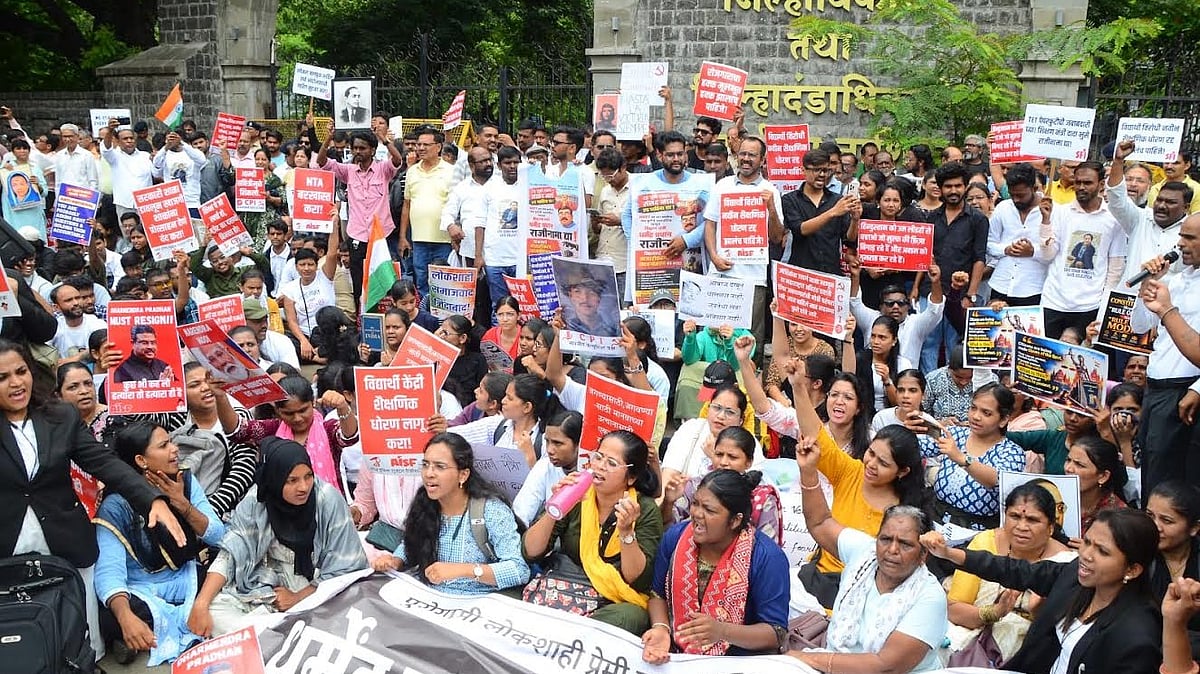
Some important worker groups, called trade unions, don't like this plan.
They say it gives too much power to the government, not enough to states, and talks about workers in a way that isn't fair.
They also pointed out that the plan mentions old books that don't seem fair to everyone.
They want the government to talk more with them before making the plan final.
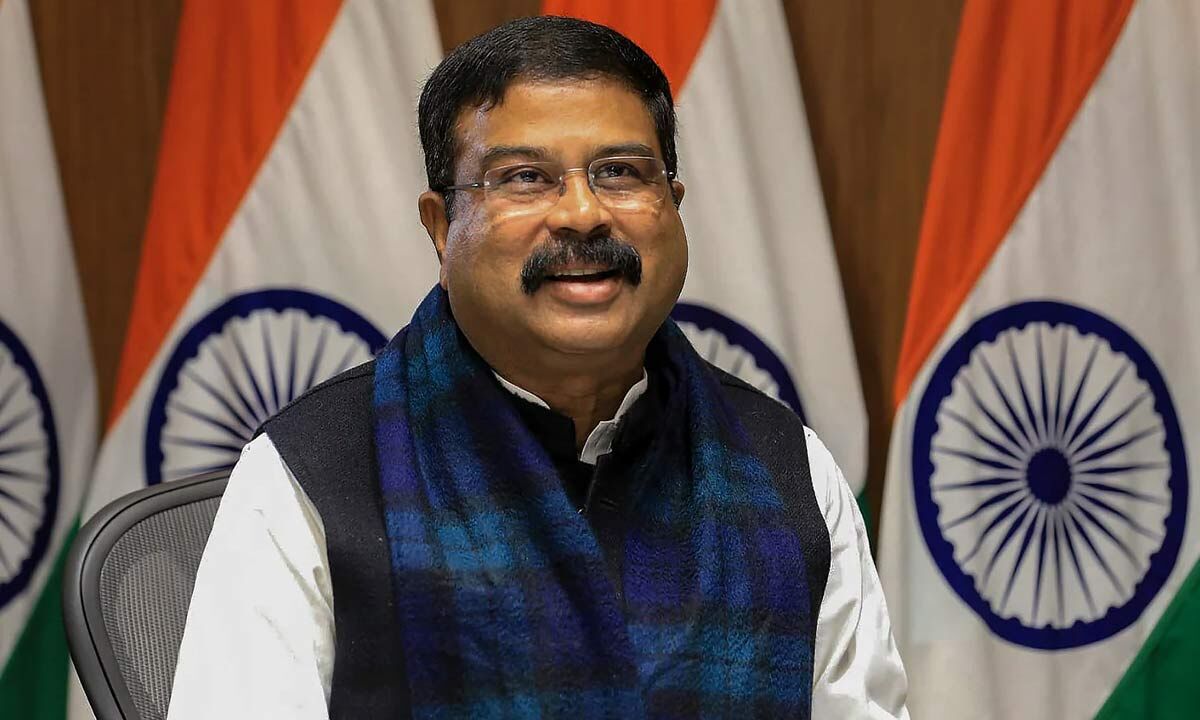
The minister in charge, Mansukh Mandaviya, said the plan isn't finished yet.
He wants to hear what everyone thinks, including the unions and business owners.
He believes the plan will help make work fair and safe for everyone.
He also mentioned that business owners liked the plan because it makes it easier to start businesses.
The unions and business owners both shared their ideas, and the minister said he will consider them.

Ten central trade unions jointly opposed the draft 'Shram Shakti Niti – 2025' presented to Union Labour & Employment Minister Mansukh Mandaviya.
Unions claim the policy centralizes authority, erodes state powers, and moralizes labor instead of recognizing workers' rights.
Trade unions criticized the policy's references to ancient texts and the limited time for public feedback.
Minister Mandaviya stated the draft policy is open to modifications and will incorporate stakeholder feedback for an equitable world of work.
Employer associations provided input on innovation and ease of doing business, while unions reiterated demands for stronger worker protection and social security.
- Who
- Ten central trade unions and Union Labour & Employment Minister Mansukh Mandaviya
- What
- Trade unions submitted a joint representation opposing the draft 'Shram Shakti Niti – 2025', citing concerns over centralization, worker rights, and reliance on ancient texts. The Minister defended the policy's vision for equitable work and stated it's open to feedback.
- Where
- India
- When
- Thursday, November 13, 2025
- Why
- Trade unions oppose the draft policy believing it undermines worker rights and centralizes authority, while the government aims to create an equitable and resilient world of work.
Trade Unions' Concerns
Government's Stance
Policy's Authority and Role
Trade Unions' Concerns
The draft policy promotes centralization of authority, erosion of state powers, and moralization of labor instead of recognizing workers' rights. They argue the Ministry's shift from regulator to facilitator is a way to push the Labour Codes under the guise of 'ease of doing business'.
Government's Stance
The policy is a forward-looking, inclusive framework aligned with the Constitution, ILO standards, and SDGs. The Ministry aims to collaborate to create a vision for an equitable and resilient world of work, with worker welfare and protection as a shared priority.
Reliance on Ancient Texts
Trade Unions' Concerns
The policy's reliance on ancient texts like Manusmriti, Yajnavalkya Smriti, Shukra Niti, and Arthashastra is criticized as these texts prescribe the opposite of justice and equality.
Government's Stance
The Ministry states that employer associations and trade unions appreciated the efforts in formulating the policy, implying acceptance or acknowledgment of its foundational aspects.
Feedback and Consultation Process
Trade Unions' Concerns
Concern is expressed over the short 20-day period for public feedback on such a significant policy and a demand for a broader, open-house consultation.
Government's Stance
The Ministry states that all CTUs and employer groups appreciated the Ministry's efforts in formulating the policy, suggesting a level of satisfaction with the consultation process from their perspective.
Key facts
- Policy Name
- Shram Shakti Niti – 2025 (National Labour and Employment Policy of India)
- Date of Consultation
- Thursday, November 13, 2025
- Key Opposing Groups
- Ten central trade unions (INTUC, AITUC, HMS, CITU, AIUTUC, TUCC, SEWA, AICCTU, LPF, UTUC)
- Government Representative
- Union Labour & Employment Minister Mansukh Mandaviya
- Trade Union Criticism
- Centralisation of authority, erosion of State powers, moralisation of labour, promotion of Labour Codes via 'ease of doing business', reliance on ancient texts.
- Government's Response
- Policy is open to modifications, stakeholder feedback will be incorporated, focus on equitable and resilient work, worker welfare and protection are priorities.
Quotes
The Minister
Union Labour & Employment Minister
“The collective aim is to collaborate effectively to create the best possible vision document for an equitable and resilient world of work.”
 thehindubusinessline.com
“go a long way in enriching the policy.”
thehindubusinessline.com
The CTUs
A group of ten central trade unions
“centralisation of authority, erosion of State powers, and the moralisation of labour instead of recognising workers’ rights.”
thehindubusinessline.com

Mansukh Mandaviya
Union Labour & Employment Minister
“open to modifications”
thehindubusinessline.com

Amarjeet Kaur
General Secretary of the All India Trade Union Congress (AITUC)
“It’s a way to push the Labour Codes in the name of reforms. That’s why the Ministry wants to position itself as a facilitator and not a regulator.”
thehindubusinessline.com
The unions
Ten central trade unions (CTUs)
“prescribe the opposite of justice and equality.”
thehindubusinessline.com
representatives from all CTUs and employer groups
Representatives from central trade unions and employer groups
“appreciated the Ministry’s efforts”
thehindubusinessline.com