

Archive · 31 May 2025
Neurologist Explores Seven Deadly Sins as Biological Phenomena
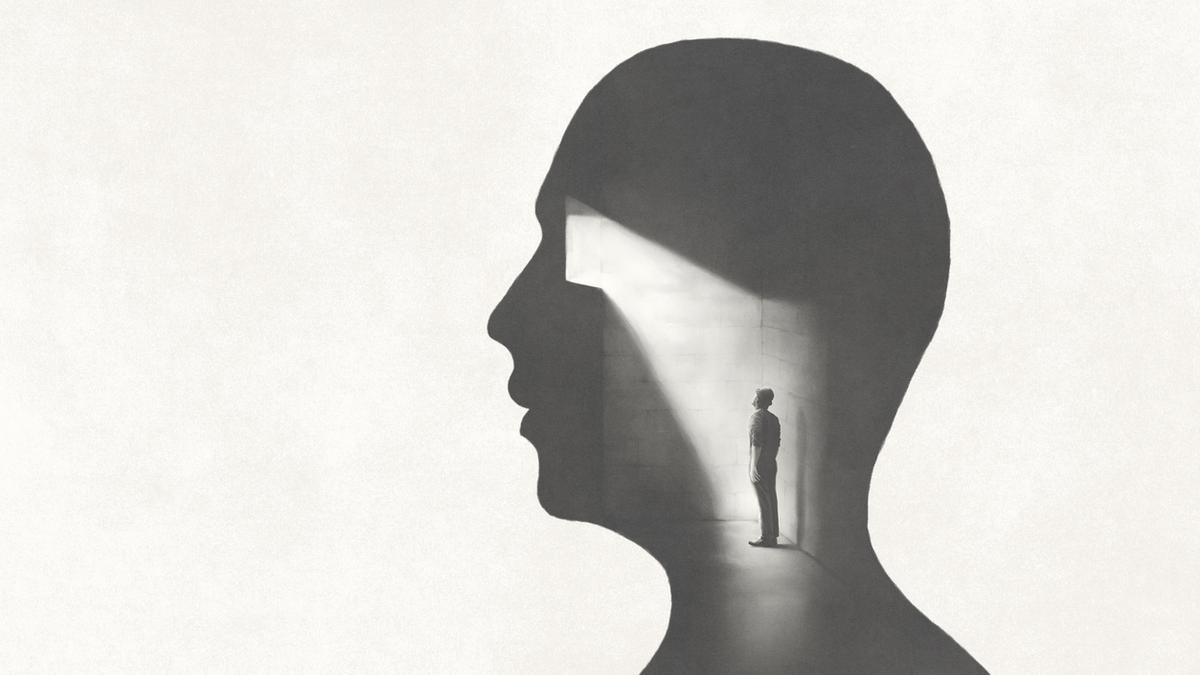
A doctor named Guy Leschziner is studying how our brains might make us do bad things, like being greedy or lazy.
He thinks these actions, called the seven deadly sins, might be connected to how our brains are built.
His book explains that these behaviors could be for survival and the brain's connections and experiences can affect our actions.
He also studies sleep and dreams and their roles in memory and emotions.
He hopes his work will help us understand how to make the world a better place.

Neurologist Guy Leschziner explores the biological basis of the seven deadly sins.
Leschziner's book, "Seven Deadly Sins: The Biology of Being Human," examines the neuroscientific and psychological basis of these traits.
He believes these behaviors are woven into human nature and can be tools for survival.
Leschziner studies people at the extremes of experience to understand how brains affect behavior.
He highlights the importance of sleep and its connection to physical, psychological, and neurological health.
- Who
- Guy Leschziner, a neurologist.
- What
- Leschziner links the seven deadly sins (gluttony, greed, sloth, pride, envy, lust, and anger) to human biology.
- When
- Published on May 31, 2025, with his book launch in November.
- Where
- Based in London, works in hospitals and clinics there.
- Why
- To understand how the brain influences bad behavior and potentially improve the world.
- Author
- Guy Leschziner
- Book Title
- Seven Deadly Sins: The Biology of Being Human
- Profession
- Neurologist and Sleep Physician
- Hospital Affiliations
- Guy’s and St Thomas’ Hospitals, London Bridge Hospital, the Cromwell Hospital, and One Welbeck