

Archive · 3 Jan 2026
CBAM to Impact Indian Steel Exports to Europe
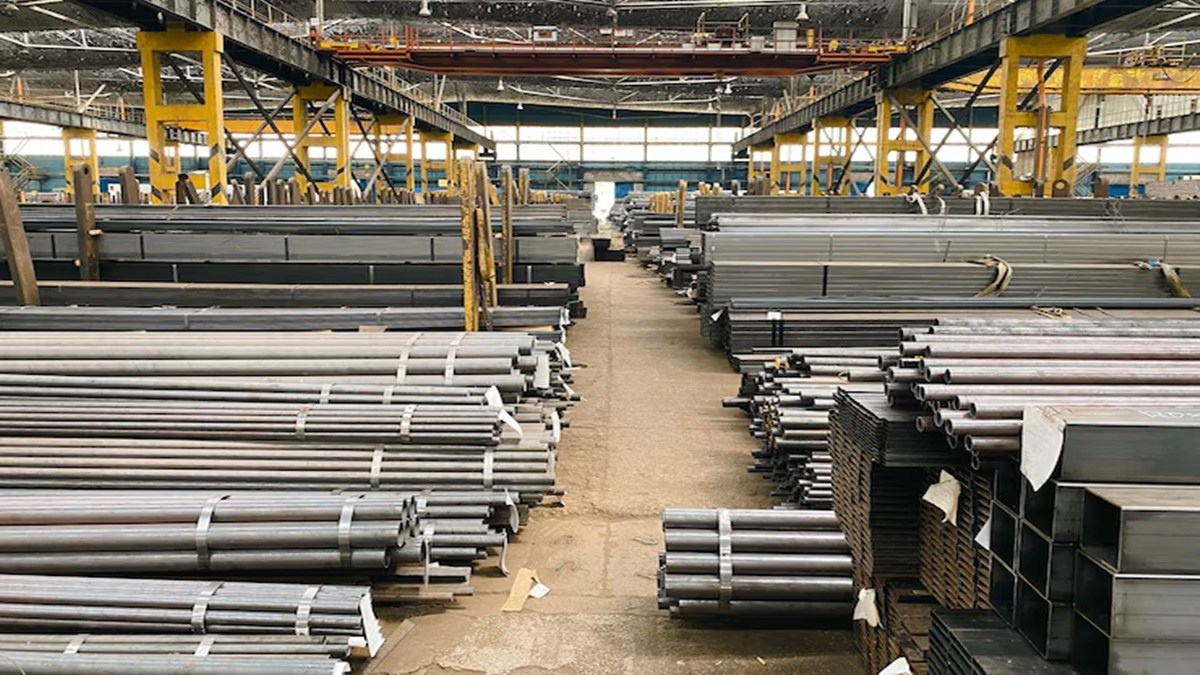
Indian steel companies that sell steel to Europe are getting ready for higher costs and lower profits because of a new rule called CBAM.
This rule makes companies pay extra if their steel production creates a lot of carbon emissions.
Indian steel is often made using coal, which creates more emissions than in Europe.
So, Indian companies might have to pay more to sell their steel in Europe.
Big companies like JSW Steel and Tata Steel are trying to make their steel production cleaner to avoid these extra costs.
Smaller companies might struggle because they can't afford to make big changes quickly.
This new rule could make it harder for Indian steel companies to sell to Europe in the future.

Indian steelmakers face higher costs and lower margins due to the EU's Carbon Border Adjustment Mechanism (CBAM).
Export prices to Europe could rise by 15–22% due to carbon costs.
Europe is a key market for Indian steel, with Italy, Belgium, Spain, and Poland accounting for 40% of shipments.
Indian mills may need to absorb part of the CBAM costs, compressing margins.
Larger producers like JSW Steel and Tata Steel are investing in cleaner production to comply with CBAM.
- Who
- Indian steelmakers exporting to Europe
- What
- Implementation of the European Union’s Carbon Border Adjustment Mechanism (CBAM)
- When
- January 2026
- Where
- Europe
- Why
- To equalize carbon costs between European producers and overseas suppliers
- Mechanism
- Carbon Border Adjustment Mechanism (CBAM)
- Effective Date
- January 2026
- Estimated Cost Increase
- €55–80 per tonne
- Major European Markets
- Italy, Belgium, Spain, Poland
- Impact on Prices
- 15–22% increase