

Archive · 13 Nov 2025
Supreme Court Gives Five States Final Chance to Implement Remission Policy
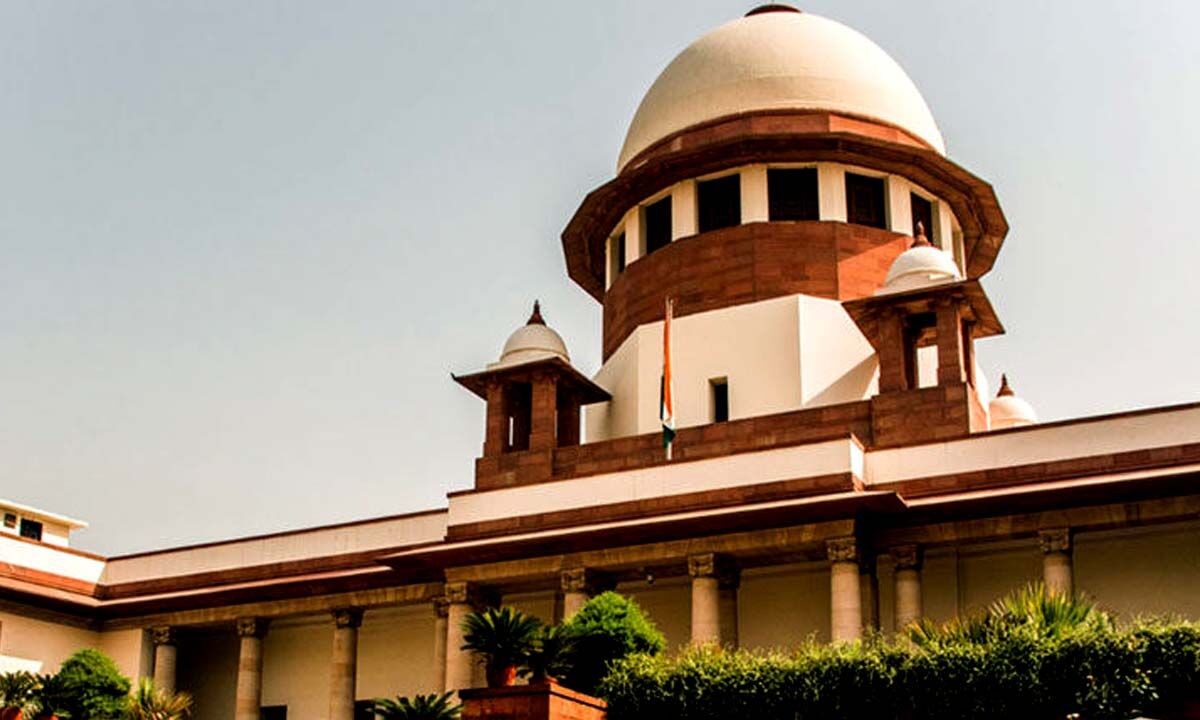
Imagine people in jail who might be let out early if they follow rules.
The Supreme Court told some states they needed to have clear rules for this, but some states were slow to make or use these rules.
On Thursday, the Court gave five states a final chance, saying they have two more months to get their rules in order.
They also told Kerala to make a law about explaining why someone can't be let out early.
The Court wants these decisions to happen faster, before people in jail have to wait too long.
To make sure this happens, the Court asked the top judges in each state to watch over the progress.

Supreme Court grants a final two-month deadline to Assam, Himachal Pradesh, Meghalaya, Uttar Pradesh, and West Bengal to implement premature release policies.
The court noted that these five states have not yet fully adopted and implemented draft remission policies and rules.
Kerala was granted four months to enact a legislative amendment requiring reasons for rejecting premature release pleas.
The Supreme Court stressed the need for remission cases to be considered at least six months before a convict becomes eligible.
High Courts are requested to register suo motu writ petitions to monitor the implementation of remission and premature release policies by respective states.
- Who
- The Supreme Court of India, with specific attention to five states (Assam, Himachal Pradesh, Meghalaya, Uttar Pradesh, West Bengal) and Kerala.
- What
- The Supreme Court granted a final two-month deadline for five states to fully implement their policies on the premature release of convicts. It also addressed Kerala's partial compliance and emphasized timely consideration of remission cases.
- When
- On Thursday (the specific date not mentioned in the article, but a recent Thursday).
- Where
- New Delhi, India (Supreme Court hearing).
- Why
- To ensure full and complete compliance with the court's earlier directions regarding remission and premature release policies, aiming to prevent unnecessary incarceration.
States' Stance
Supreme Court's Stance
Implementation of Remission Policies
States' Stance
Five states (Assam, Himachal Pradesh, Meghalaya, Uttar Pradesh, West Bengal) have not yet fully adopted and implemented draft remission policies and rules.
Supreme Court's Stance
The Supreme Court granted these five states a 'last and final opportunity' of two months to ensure 'full and complete compliance' with its earlier directions on premature release of convicts.
Timely Consideration of Remission Cases
States' Stance
Some states are not considering remission cases timely, leading to convicts serving extra time even after becoming eligible for premature release.
Supreme Court's Stance
The Supreme Court stressed that states must undertake this exercise at least six months prior to a convict's eligibility to avoid unnecessary incarceration.
Monitoring of Implementation
States' Stance
The progress of implementation has been slow, necessitating external oversight.
Supreme Court's Stance
The Supreme Court accepted a suggestion for High Courts to monitor the implementation progress by registering suo motu writ petitions and constituting Division Benches for supervision.
- Court
- Supreme Court of India
- Date
- Thursday
- Case Type
- Suo motu case titled 'In Re: Policy Strategy for Grant of Bail'
- States Granted Two Months for Compliance
- Assam, Himachal Pradesh, Meghalaya, Uttar Pradesh, West Bengal
- State Noted for Partial Compliance
- Kerala
- Action for Kerala
- Granted four months to enact legislative amendment for furnishing reasons when rejecting pleas for premature release.
- Suggested Monitoring Body
- High Courts of respective states