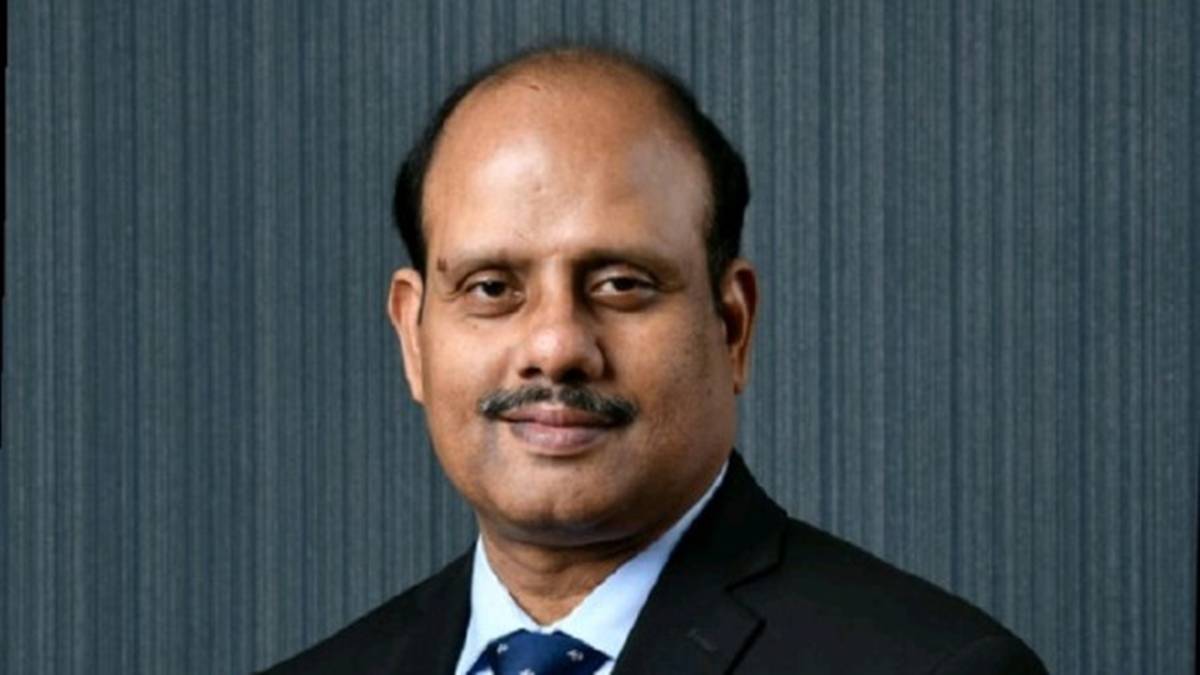
Archive · 8 Nov 2025
RBI's Swaminathan: Boards Must Own Outcomes, Not Paperwork

Imagine a school principal who is responsible for making sure students learn, not just that they hand in their homework.
The Reserve Bank of India's Deputy Governor, Swaminathan, is telling leaders of financial companies that their job is like that principal's.
They need to be responsible for the actual results, like how well the company is doing, not just for filling out forms and following rules.
He said that sometimes, companies try to fix problems by just changing who reports to whom or updating documents.
But this is like treating a fever without finding out why the person is sick.
The real fix comes from understanding the core problem.
He also said that people on the board, who are like the company's supervisors, need to be truly independent.
This means they should feel comfortable asking tough questions and challenging decisions, not just agreeing with everything.
Finally, he wants to make sure that the teams responsible for checking risks and rules within the company are strong and have direct access to the board, because if these 'defense lines' are weak, it's the board's fault.

RBI Deputy Governor Swaminathan urged boards of financial institutions to own outcomes, not just paperwork, focusing on intent-driven governance.
He criticized common practices of redrawing org charts or revising charters as treating symptoms rather than root causes.
Swaminathan stressed the need for genuine board independence, defined by the ability to challenge, backed by time, information, and courage.
He called for empowering control functions like risk and compliance with direct board access and adequate resources.
For regulators, he proposed principles of balancing entity/activity-based regulation, proportionality, and outcome-based rules.
- Who
- Swaminathan J., Deputy Governor of the Reserve Bank of India
- What
- Advocated for sharper board-level accountability, emphasizing that boards must own outcomes rather than just paperwork, and adopt intent-driven governance.
- When
- Friday
- Where
- 10th Annual Corporate Governance Summit
- Why
- To improve corporate governance by urging directors to move beyond procedural fixes and focus on the substance and root causes of issues, leading to better outcomes in financial institutions.
Focus on Intent-Driven Governance
Addressing Symptoms vs. Root Causes
Board Accountability
Focus on Intent-Driven Governance
Boards should focus on owning the final results and ensuring intent-driven governance, moving beyond merely fulfilling procedural requirements or 'paperwork'.
Addressing Symptoms vs. Root Causes
Current responses to governance issues often involve procedural fixes like redrawing org charts or revising charters, which only address symptoms rather than the root cause.
Board Independence
Focus on Intent-Driven Governance
Genuine independence means directors have the ability to challenge decisions, supported by adequate time, information, and courage, not just a title. Chairs should encourage dissent and protect those who voice it.
Addressing Symptoms vs. Root Causes
Many directors are hesitant to voice dissent, indicating a potential lack of genuine independence or a culture that doesn't adequately support challenging viewpoints.
Empowering Control Functions
Focus on Intent-Driven Governance
Control functions like risk, compliance, and internal audit should be empowered with direct board access and sufficient resources, as weak defenses are a board failure.
Addressing Symptoms vs. Root Causes
Control functions are sometimes under-resourced or lack direct access, leading to 'glitches' that are perceived as staffing issues rather than systemic failures.
- Event
- 10th Annual Corporate Governance Summit
- Speaker
- Swaminathan J., Deputy Governor, Reserve Bank of India
- Key Message
- Boards must own outcomes, not paperwork; focus on intent-driven governance.
- Key Recommendations
- Set risk appetite, define outcome goals, demand independent assurance, foster genuine board independence, empower control functions, ring-fence critical entities, use strict related-party policies.
- Regulatory Principles
- Balance entity- and activity-based regulation, apply proportionality, strive for outcome-based rules.
Sources
Regulatory Overlaps & Gaps, A Persistent Puzzle In India’s Fast-Changing Financial System
‘Regulations must move in tandem with policy’: IRDAI Chief on climate risk and cyber security

Wealth management must be for everyone, not just the elite: JioBlackRock CEO Marc Pilgrem - CNBC TV18