Archive · 15 Sep 2026
Saudi Arabia Reports Uranium-Rich Ore Discovery Amid Nuclear Debate
Saudi Arabia says it found a very large amount of rock in the Medina region.
The rock is estimated to weigh about 110 million tonnes.
It contains rare earth minerals and some uranium.
Rare earth minerals are useful in many modern technologies.
Uranium can be used as fuel for civilian nuclear power.
Saudi Arabia wants to develop more energy and mineral resources instead of relying mainly on oil.
The announcement comes while the country faces Houthi attacks and tensions involving Iran, the United States, and Israel.
Officials say Saudi Arabia’s nuclear programme will be transparent and peaceful, but the United States agreement has raised questions about safeguards and uranium activities.

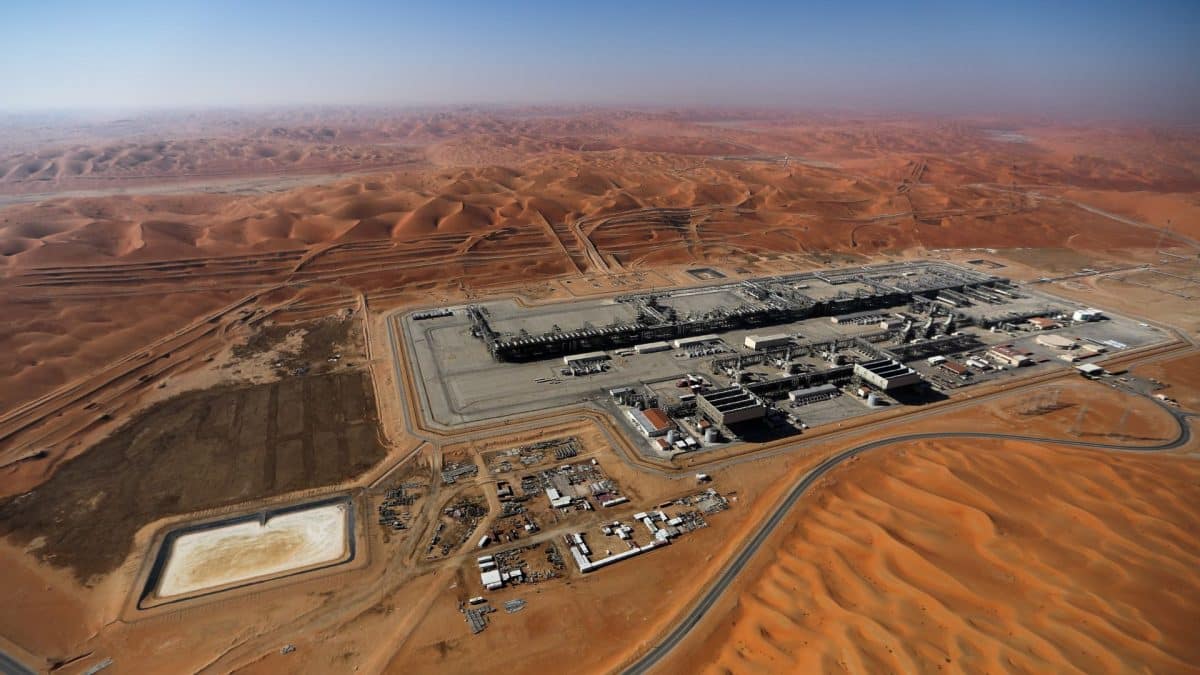
Saudi Arabia reported an estimated 110 million tonnes of ore at the Jabal Sayid project in the Medina region.
The ore contains high concentrations of rare earth elements, particularly heavy rare earths, and promising concentrations of uranium.
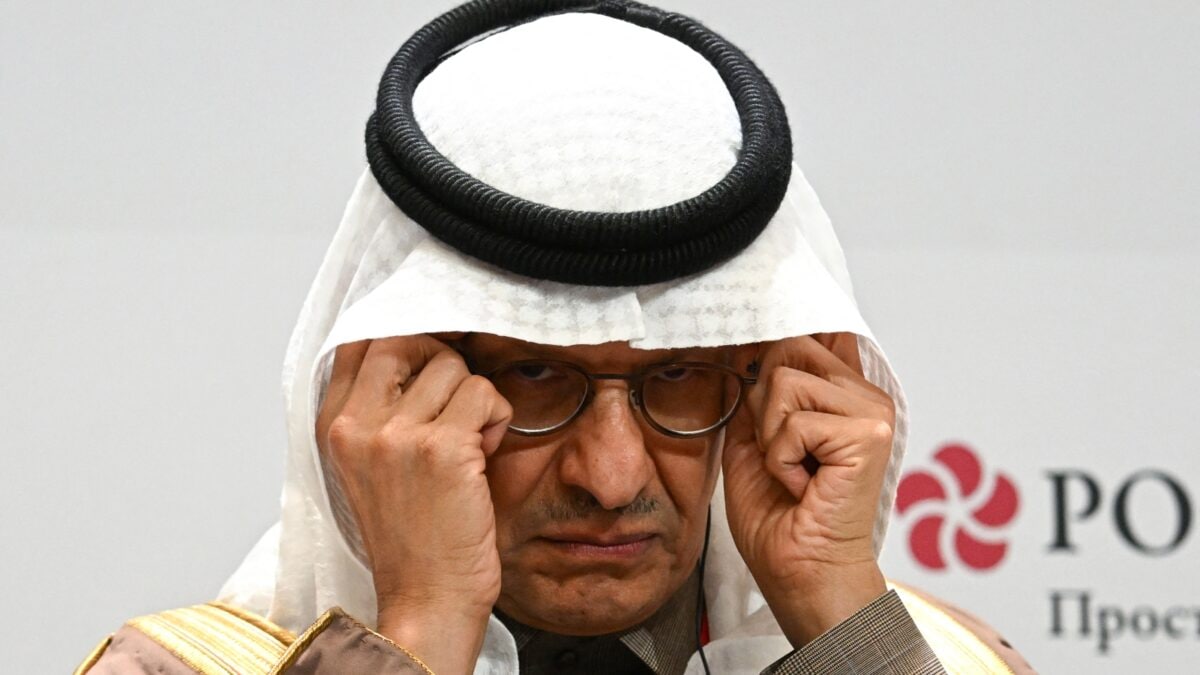
Energy Minister Prince Abdulaziz bin Salman said the discovery supports efforts to develop Saudi Arabia’s mineral and energy resources.
The announcement comes as Saudi Arabia faces Houthi attacks on military and energy infrastructure amid wider regional tensions.
The discovery has drawn attention to Saudi Arabia’s civilian nuclear plans and a July nuclear cooperation agreement with the United States.
- Who
- Saudi Arabia and its Energy Minister, Prince Abdulaziz bin Salman, reported the discovery.
- What
- An estimated 110 million tonnes of ore containing heavy rare earth elements and promising concentrations of uranium were identified.
- When
- The discovery was announced on September 15, 2026, during a period of widening regional conflict.
- Where
- At the Jabal Sayid project in the Medina region of Saudi Arabia; the announcement was made at an International Atomic Energy Agency conference in Vienna.
- Why
- Saudi Arabia says the discovery is part of efforts to diversify its energy sources, develop mineral wealth, and support its civilian nuclear programme.
Saudi Arabia’s stated position
Concerns from critics and analysts
Purpose of the nuclear programme
Saudi Arabia’s stated position
Saudi Arabia says its nuclear ambitions are focused on peaceful civilian energy, transparency, openness, and international cooperation.
Concerns from critics and analysts
The United States-Saudi Arabia agreement has prompted lawmakers and analysts to examine its safeguards, inspection arrangements, and provisions related to uranium activities.
Strategic significance of the uranium
Saudi Arabia’s stated position
The reported resource could provide Saudi Arabia with greater access to domestic nuclear fuel and support energy independence and economic diversification.
Concerns from critics and analysts
The discovery does not itself change the regional nuclear balance, but its significance has increased because of tensions involving Iran and concerns about uranium enrichment.
Regional comparison
Saudi Arabia’s stated position
Saudi Arabia’s energy minister said its programme would not be conducted secretly or through concealed facilities, distinguishing it from the concerns surrounding Iran’s underground nuclear activities.
Concerns from critics and analysts
The timing of the announcement has heightened scrutiny because uranium enrichment has been central to the dispute over Iran’s nuclear programme and regional competition.
- Estimated deposit
- Around 110 million tonnes of ore
- Location
- Jabal Sayid project, Medina region, Saudi Arabia
- Minerals
- High concentrations of rare earth elements, especially heavy rare earths, plus promising uranium concentrations
- Announcing official
- Energy Minister Prince Abdulaziz bin Salman
- Nuclear cooperation
- A 30-year United States-Saudi Arabia civilian nuclear agreement was signed in July and sent to the United States Congress for review in late August
- Security context
- Houthi attacks have targeted Saudi military and energy infrastructure
- Energy strategy
- Saudi Arabia is pursuing mineral development, uranium extraction, and civilian nuclear power as part of its diversification efforts