

Archive · 27 Nov 2025
How to Check for Industrial Dyes in Sweets and Snacks
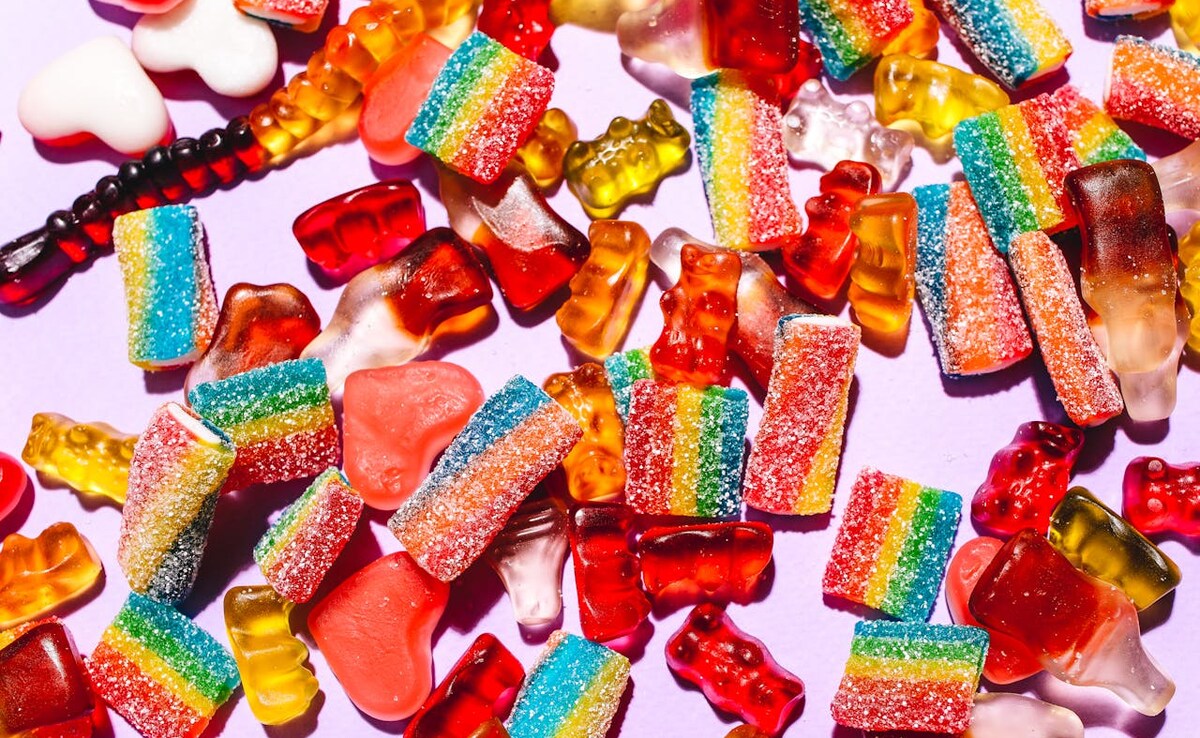
Some sweets and snacks have bright colors that might come from industrial dyes, which are not safe to eat.
These dyes are used to make food look more appealing, but they can be harmful.
In India, there are rules about how much dye can be in food, but sometimes these rules are not followed.
You can test if your food has these bad dyes by rubbing a wet cotton ball on it.
If the cotton turns a bright color, the food might have industrial dyes.
It's important to check the labels on food to make sure it's safe to eat.

Industrial dyes in sweets and snacks can be harmful and are often used to enhance visual appeal.
Common industrial dyes include Auramine O, Rhodamine B, and Sunset Yellow, which are banned or linked to health issues.
In India, the permissible limit for food dyes in sweets and snacks is 100 mg/kg.
You can test for industrial dyes at home by rubbing a wet cotton ball on the food; a quick, intense color transfer indicates the presence of industrial dyes.
Always check food labels for ingredients to ensure safety.
- Who
- Consumers, especially in India, who are concerned about the safety of sweets and snacks
- What
- The presence of industrial dyes in sweets and snacks, which are harmful to health
- When
- Ongoing issue, with studies and surveys conducted in 2007, 2013, and 2023
- Where
- Primarily in India, but relevant globally where industrial dyes may be used in food
- Why
- To raise awareness about the health risks of industrial dyes and how to identify them
- Auramine O
- Banned industrial dye adding bright yellow finish to food items
- Rhodamine B
- Industrial dye providing brilliant red or pink colour to candies
- Sunset Yellow
- Dye found in various snacks, linked to cancer-causing cells
- Permissible Limit in India
- 100 mg/kg for food dyes in sweets and snacks
- Common Foods with Industrial Dyes
- Sweet potatoes, brightly colored mithais (like jalebi and gulab jamun), red chili powder