

Archive · 16 Aug 2025
How Dogs Read Human Emotions: A Scientific Explanation
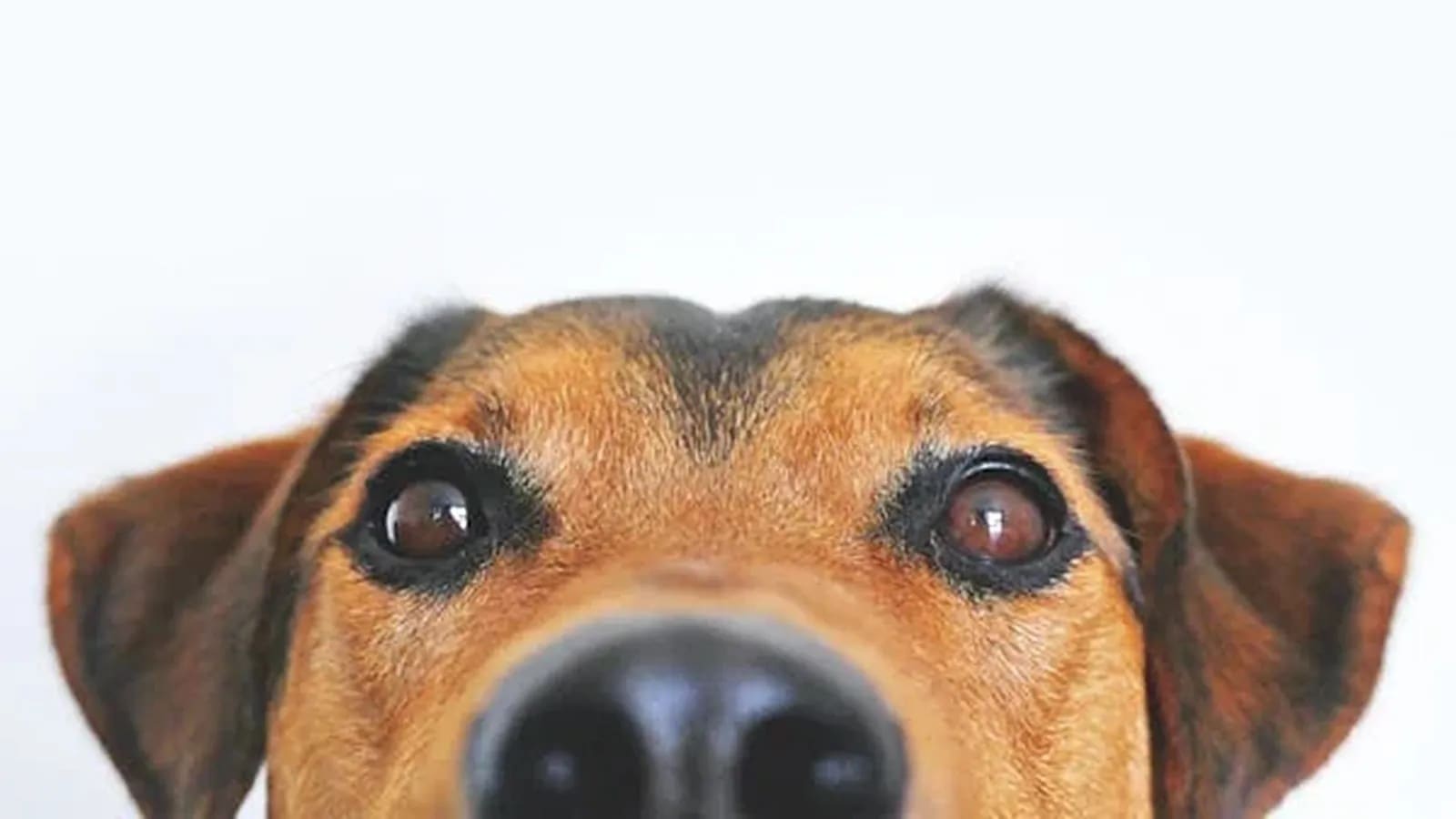
Your dog is much more in tune with your feelings than you might realize!
They have special parts in their brains that recognize your voice and face, and they can even 'catch' your emotions, like feeling sad if you're sad.
When you and your dog look into each other's eyes, it releases a 'love hormone' called oxytocin, which strengthens your bond.
This amazing ability comes from dogs evolving alongside humans for thousands of years.
They've become experts at reading our moods and body language, helping them understand and connect with us on an emotional level.

Dogs exhibit emotional intelligence by tuning into human voices, faces, and even brain chemistry.
Dogs have dedicated brain regions that process human voices and emotional tones.
Dogs can experience emotional contagion, mirroring their human's emotional state.
Mutual eye contact between dogs and humans triggers an oxytocin surge, reinforcing bonding.
Dogs' ability to read human emotions is a result of their evolutionary journey alongside humans.
- Who
- Dogs and humans.
- What
- Dogs' ability to understand and respond to human emotions.
- When
- Thousands of years of co-evolution.
- Where
- N/A
- Why
- Due to their evolutionary journey alongside humans, dogs have developed an enhanced ability to read and respond to human emotions.
- Voice Processing Regions
- Dogs have dedicated areas in their brains (temporal cortex) sensitive to voice.
- Emotional Contagion
- Dogs mirror the emotional states of humans.
- Oxytocin Effect
- Mutual eye contact increases oxytocin levels in both dogs and humans.
- Smell
- Dogs can detect emotions through scent.
- Evolution
- Domestication has enhanced brain pathways for reading human social signals.