

Archive · 17 Sep 2025
U.S. Maternal Mortality Rates Rising: Costs, Access, and Risks
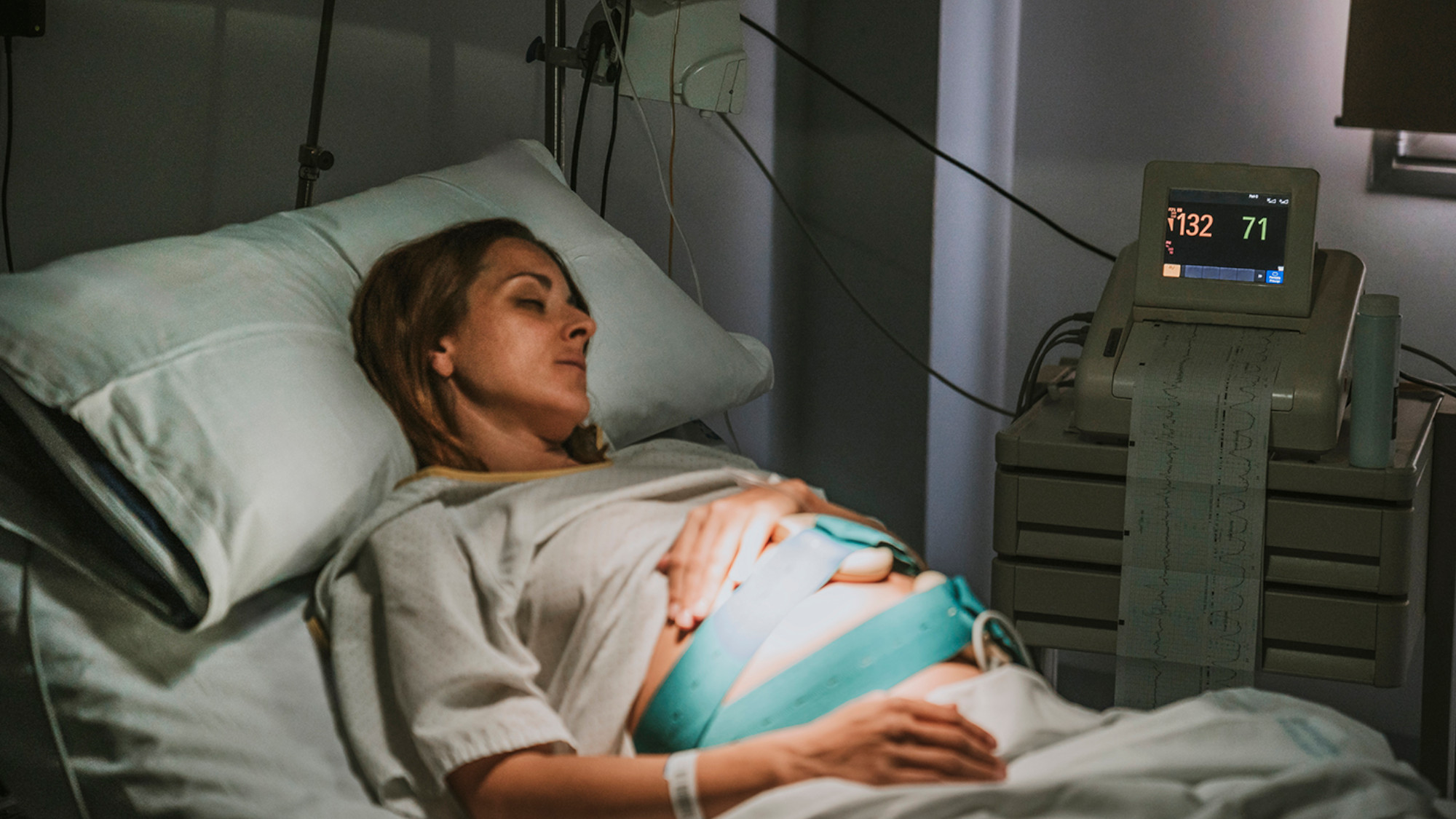
Giving birth in the U.S. is getting riskier and more expensive.
More moms are dying during or shortly after pregnancy compared to other wealthy countries.
The cost of having a baby here is also much higher.
Reasons for these problems include less access to healthcare, more health issues for women, and the rising cost of Medicaid.
Medicaid is a program that helps low-income families afford health care.
New laws could make the situation worse by cutting funding for hospitals, especially those in rural areas.
Also, some states have banned abortion, which can make it hard for doctors to treat women with pregnancy complications.

The U.S. has a higher maternal mortality rate than other high-income countries.
Childbirth in the U.S. is significantly more expensive than in other developed nations.
Medicaid cuts could affect healthcare access, particularly in rural areas.
Postpartum deaths are a significant concern, with many occurring in the year after birth.
Abortion bans are creating access issues to essential health care for pregnant women.
- Who
- Mothers in the United States, particularly those from certain ethnic groups and rural areas.
- What
- Maternal mortality rates are increasing, with high costs of childbirth, and potential healthcare access issues.
- When
- The articles cover recent trends through 2022 and discuss future projections.
- Where
- The United States, with comparisons to other high-income countries like Canada, the U.K., and Germany.
- Why
- Reasons include lack of access to care, rising costs, changes in Medicaid, and abortion bans.
- Maternal Mortality Rate (2022)
- 32.6 deaths per 100,000 live births
- U.S. Birth Cost (Vaginal Delivery, 2022)
- $19,000
- Postpartum Death Occurrences
- 53% occur between 7 days to a year
- Medicaid Coverage Impact
- Covers 41% of all U.S. births
- States Extending Postpartum Medicaid
- 48 states + D.C. extended to 1 year