

Archive · 15 Nov 2025
Health Crisis in Koya and Gond Tribes: High Rates of Anemia and Other Diseases
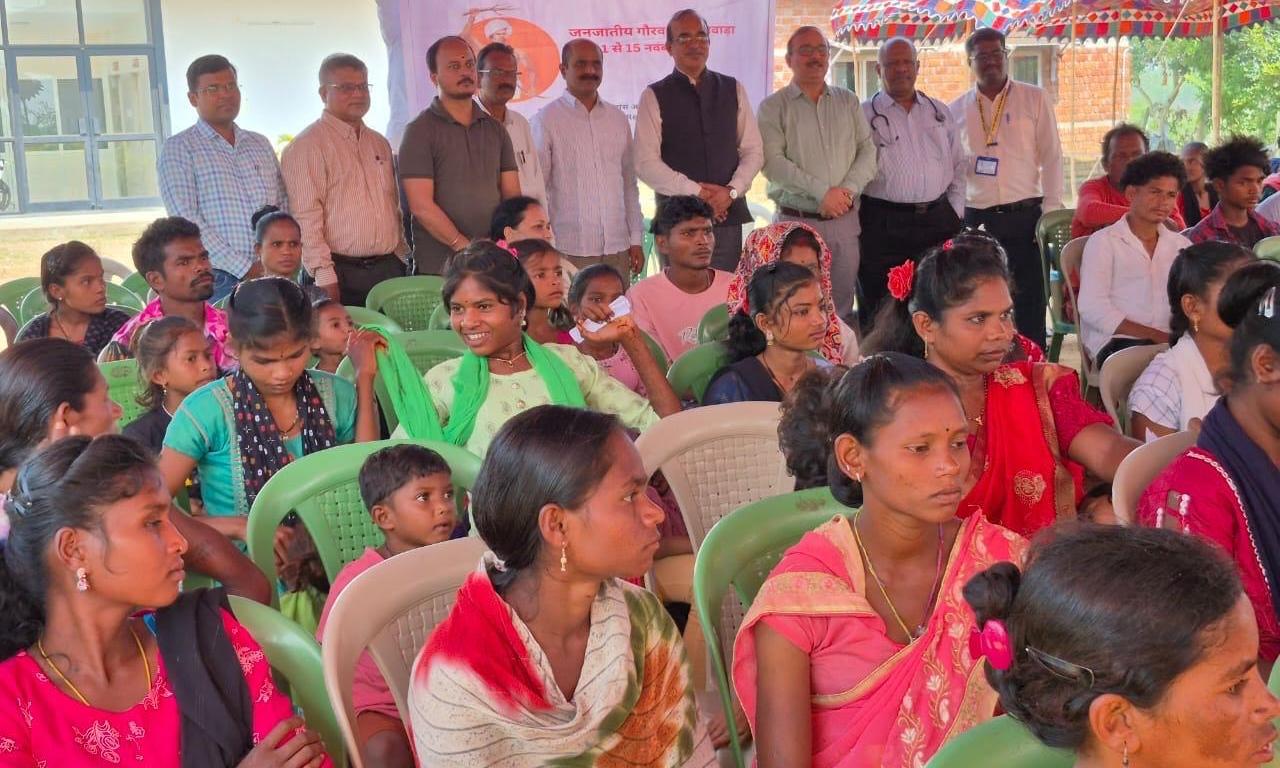
Imagine a group of people who live far away in the forest and have trouble getting to doctors.
When doctors visited them, they found that many kids and grown-ups, especially women, were not healthy.
Lots of them had anemia, which means they didn't have enough healthy red blood cells to carry energy around their bodies.
They also found other sicknesses like not getting enough food (malnutrition), malaria, lung problems, and TB.
The doctors gave them medicine and also taught them how to be cleaner and healthier.
They also took samples from people and animals to check for diseases that can spread between them.
This helps make sure everyone stays healthy, especially those who find it hard to see a doctor regularly.

A health assessment of Koya and Gond tribes in Bhadradri Kothagudem revealed significant health issues, especially among women and children.
High prevalence of anemia, malnutrition, malaria, tuberculosis, and respiratory infections were identified.
The findings emerged during a One Health outreach program in Laxmidevipally mandal, targeting communities with limited access to healthcare.
Poverty, isolation, language barriers, and traditional healing practices contribute to the vulnerability of these tribes.
The program included clinical care, health education, distribution of hygiene kits, and zoonotic disease surveillance.
- Who
- Koya and Gond tribal communities, particularly women and children, in Bhadradri Kothagudem
- What
- A health assessment revealed high rates of anemia, malnutrition, malaria, tuberculosis, and recurrent respiratory infections among these tribal groups.
- When
- During a One Health outreach program organized as part of Janjatiya Gaurav Varsh Pakhwada observance.
- Where
- Laxmidevipally mandal, Bhadradri Kothagudem, in scattered forest settlements.
- Why
- Poverty, geographical isolation, language barriers, limited access to health services, and reliance on traditional healing practices contribute to health inequities.
- Location
- Bhadradri Kothagudem, Telangana, India
- Tribal Groups Affected
- Koya and Gond tribes
- Primary Health Concerns
- Anemia, malnutrition, malaria, tuberculosis, respiratory infections
- Vulnerable Population
- Women and children
- Organizing Institutions
- ICAR–National Meat Research Institute (NMRI), Hyderabad, and AIIMS Bibinagar
- Program Initiative
- One Health outreach programme
- Activities
- Clinical care, preventive awareness, zoonotic disease surveillance, distribution of hygiene kits