

Archive · 14 Dec 2025
Engineered Bacteria Produce Healthier Sugar Alternative
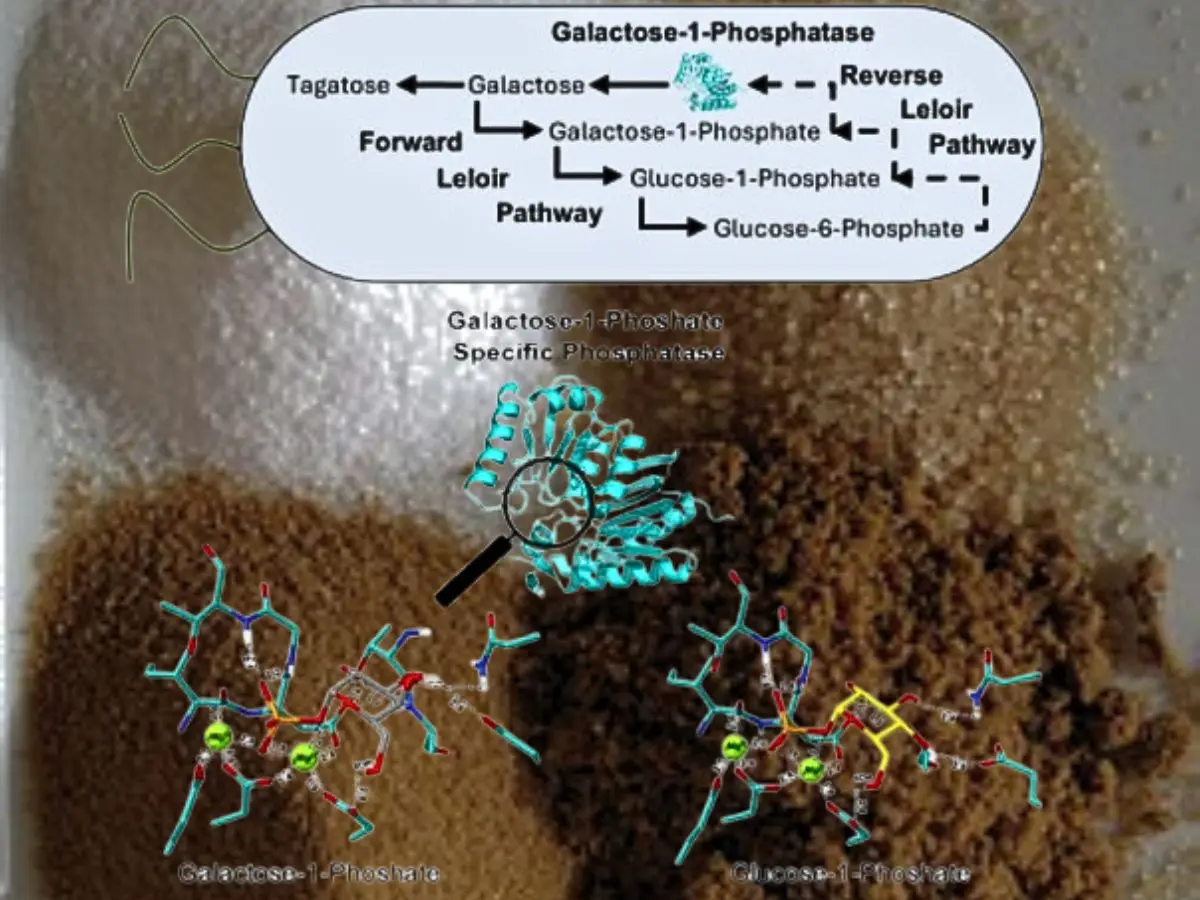
Scientists at Tufts University have found a way to make a special kind of sugar called tagatose using tiny bacteria.
Tagatose is almost as sweet as regular sugar but has fewer calories and doesn't spike blood sugar levels much.
Normally, making tagatose is expensive and not very efficient, but the researchers used a special enzyme to help bacteria turn glucose into tagatose.
This new method could make tagatose more available and affordable, offering a healthier sugar option for cooking and eating.
The bacteria turned about 35% of the glucose into tagatose in the lab, which is a good start.
The researchers think this could be a big step forward in finding better sugar alternatives.

Researchers at Tufts University engineered bacteria to produce tagatose, a low-calorie sugar alternative.
Tagatose is 92% as sweet as sucrose but contains only one-third of the calories and has a low glycemic impact.
The process uses a newly identified enzyme to convert glucose directly into tagatose, eliminating the need for lactose-derived feedstocks.
In lab tests, the engineered bacteria converted 35% of supplied glucose into galactose and produced over 1 gram per liter of tagatose.
Tagatose is recognized as safe by the FDA and may also inhibit cavity-causing bacteria.
- Who
- Researchers at Tufts University
- What
- Engineered bacteria to produce tagatose, a healthier sugar alternative
- When
- Study published in Cell Reports Physical Science
- Where
- Tufts University, reported by Phys.org and WION
- Why
- To create a scalable, sustainable, and healthier sweetener with fewer metabolic risks
- Tagatose Sweetness
- 92% as sweet as sucrose
- Tagatose Calories
- One-third of sucrose calories
- Tagatose Glycemic Impact
- Minimal increases in blood glucose and insulin
- FDA Designation
- Generally Recognized as Safe (GRAS)
- Conversion Efficiency
- 35% of glucose to galactose, 1g/L tagatose
- Research Team
- Tufts University
- Publication
- Cell Reports Physical Science