

Archive · 2 Nov 2025
OpenAI Panel Chair Zico Kolter Leads Effort to Halt Unsafe AI Releases
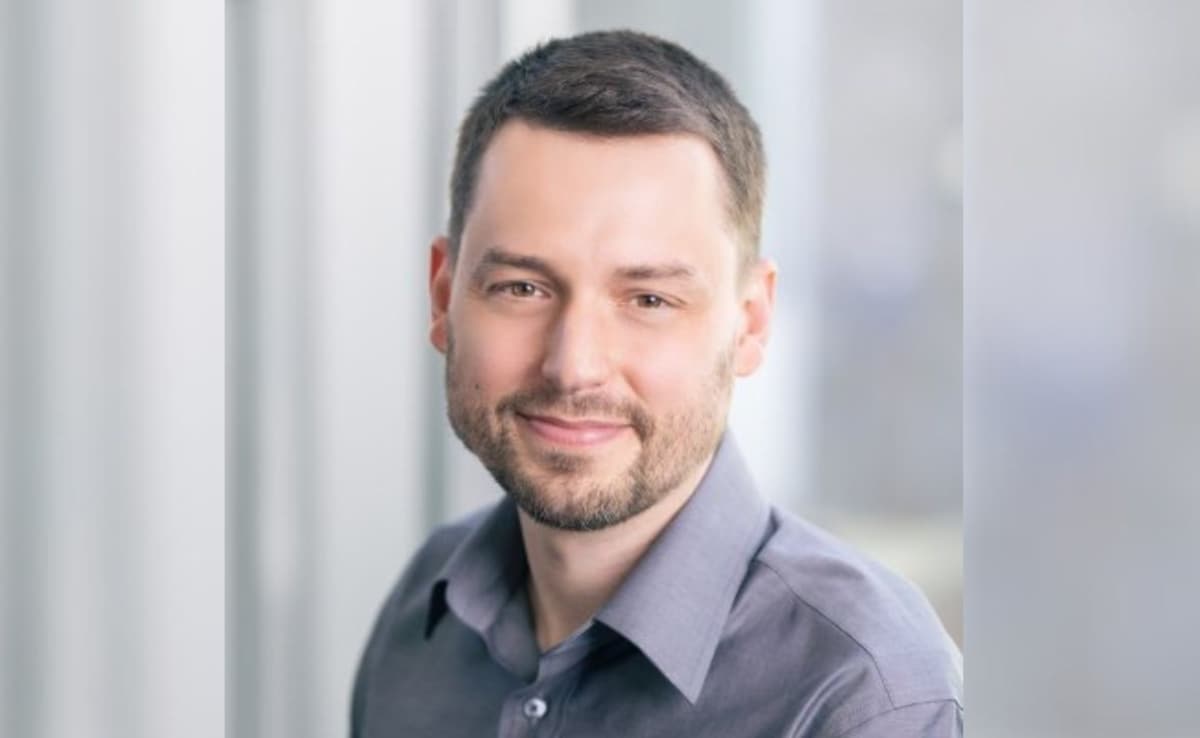
Imagine OpenAI is building a super-smart robot, but they need to make sure it's safe before letting everyone play with it.
Zico Kolter, a professor from another school, is in charge of a special team at OpenAI.
This team has the power to tell OpenAI, 'Stop!
This robot isn't ready yet!'
They can stop new AI from being released if it could be used for bad things, like making weapons, or if it might accidentally hurt people's feelings or minds.
This role became very important recently because regulators made sure this safety team has a real say in decisions.
Zico Kolter and his team look at many dangers, from hackers trying to steal secrets to AI being used to make bad things like dangerous germs.
They also worry about how talking to AI might affect people's happiness.
Even though OpenAI wants to make money, this safety team's job is to make sure people are protected first.

Professor Zico Kolter leads OpenAI's Safety and Security Committee, a panel with the power to halt AI releases.
The committee's authority was formalized in recent agreements with California and Delaware regulators.
Kolter stated the panel's concerns range from existential threats to mental health impacts and cybersecurity.
OpenAI is restructuring into a public benefit corporation, with safety commitments emphasized in new agreements.
Critics are cautiously optimistic, pending the panel's ability to function robustly with adequate staff and independence.
- Who
- Zico Kolter, a professor at Carnegie Mellon University
- What
- Leads a four-person panel at OpenAI with the authority to halt the release of new AI systems deemed unsafe.
- When
- Last week (agreements announced), Kolter appointed over a year ago.
- Where
- OpenAI headquarters (San Francisco-based organization)
- Why
- To ensure safety and security decisions precede financial considerations as OpenAI restructures into a public benefit corporation, addressing concerns about rushing products to market.
Concerns and Skepticism
Cautious Optimism and Potential for Impact
Effectiveness of Commitments
Concerns and Skepticism
There is a concern that the new commitments made by OpenAI could just be words on paper, with no real impact on actual operations and decisions.
Cautious Optimism and Potential for Impact
Some believe these commitments could be a 'really big deal' if the board members genuinely take them seriously, potentially leading to significant changes in how OpenAI operates.
Role of the Safety Panel
Concerns and Skepticism
Skepticism exists about whether the safety panel, particularly Kolter's group, will actually be able to hire staff and play a truly robust role as intended.
Cautious Optimism and Potential for Impact
Zico Kolter is seen as a suitable choice for his role, with his background making sense for leading the safety efforts. The agreements largely confirm the committee's existing authorities.
OpenAI's Mission Alignment
Concerns and Skepticism
Concerns persist that OpenAI, after its commercial boom and restructuring, may have strayed from its original mission of building AI for humanity's benefit, prioritizing market advancement.
Cautious Optimism and Potential for Impact
The formal commitments aim to ensure that safety and security decisions must come before financial considerations, potentially realigning the company with its foundational goals.
- Panel Chair
- Zico Kolter
- Panel Name
- Safety and Security Committee
- Organization
- OpenAI
- Kolter's Affiliation
- Carnegie Mellon University
- Key Agreement Parties
- California Attorney General Rob Bonta, Delaware Attorney General Kathy Jennings