Archive · 26 Aug 2026
India Rejects UN Racial Discrimination Remarks as Malicious

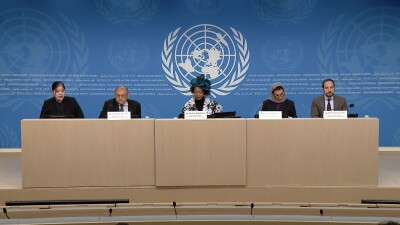
A United Nations committee reviewed how India works to prevent racial discrimination.
The review happened in Geneva on August 11 and 12.
The committee raised concerns about alleged serious violations affecting several communities in India.
These included ethnic groups, Indigenous and Tribal Peoples, Scheduled Castes, Dalits and non-citizens.
India disagreed with parts of the committee’s observations.
India said some claims were too broad, unsupported and outside the committee’s role.
It also said its laws and Constitution protect disadvantaged people.
India plans to send a formal response through the usual process.

India called the United Nations committee’s observations politically motivated and highly malicious.
The review took place in Geneva on August 11 and 12 under the racial discrimination convention.
India’s delegation, led by Solicitor General Tushar Mehta, rejected what it called sweeping and unsubstantiated allegations.
The committee raised concerns about alleged large-scale violations affecting several ethnic, Indigenous, caste and non-citizen communities.
India cited constitutional safeguards, legal protections, affirmative action and judicial remedies, and said it would respond through established procedures.
- Who
- The United Nations Committee on the Elimination of Racial Discrimination and India’s Ministry of External Affairs; India’s delegation was led by Solicitor General Tushar Mehta.
- What
- India rejected the committee’s observations about alleged racial discrimination and violations affecting several communities.
- When
- The review was held on August 11 and 12; India rejected the observations on Wednesday, August 26.
- Where
- The review took place in Geneva.
- Why
- India said the observations included politically motivated references, sweeping generalisations and unsubstantiated allegations, and suggested the committee exceeded its mandate.
UN Committee’s Concerns
India’s Response
Alleged violations
UN Committee’s Concerns
The committee raised concerns about reports alleging large-scale violations by law enforcement personnel against ethnic and ethno-religious groups, Indigenous and Tribal Peoples, Scheduled Tribes, Scheduled Castes, Dalits and non-citizens.
India’s Response
India rejected these claims as sweeping generalisations and unsubstantiated allegations.
Scope of the review
UN Committee’s Concerns
The committee issued observations while assessing India’s implementation of the International Convention on the Elimination of All Forms of Racial Discrimination.
India’s Response
India said the committee showed a tendency to exceed the Convention’s mandate.
Safeguards and progress
UN Committee’s Concerns
The committee’s concerns focused on alleged discrimination and protections for marginalised communities.
India’s Response
India highlighted constitutional and legal safeguards, pluralism, affirmative action, democratic accountability, judicial remedies, targeted public policy and socio-economic development.
- UN body
- United Nations Committee on the Elimination of Racial Discrimination (CERD)
- Convention
- International Convention on the Elimination of All Forms of Racial Discrimination
- Review
- India’s 11th periodic review
- Reports considered
- India’s 12th and 21st combined periodic reports submitted in 2023
- Review dates and location
- Geneva, August 11-12
- India’s position
- The observations were politically motivated, highly malicious, sweeping and unsubstantiated
- Next step
- India said it would respond through established procedures
Sources
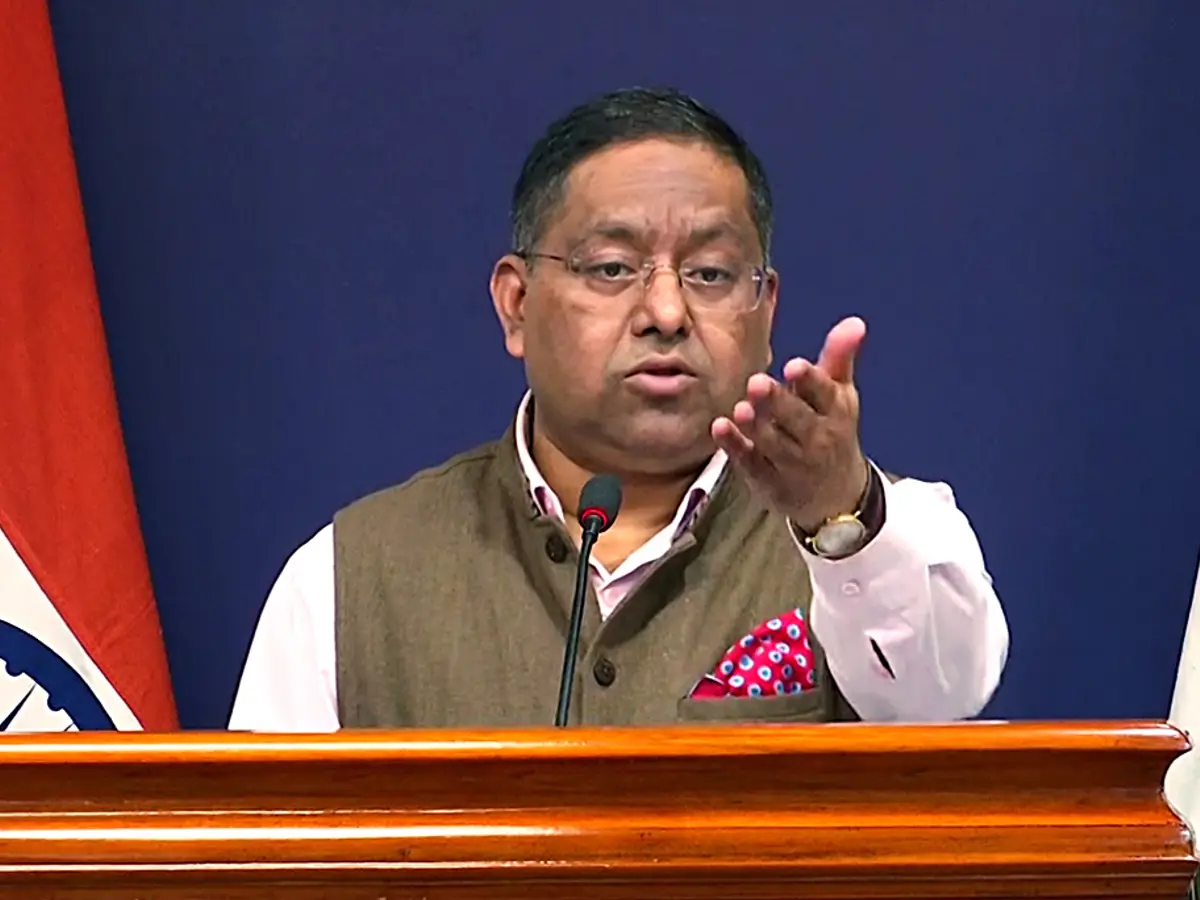
‘Politically motivated’: India rejects ‘highly malicious’ remarks by UN racial discrimination panel
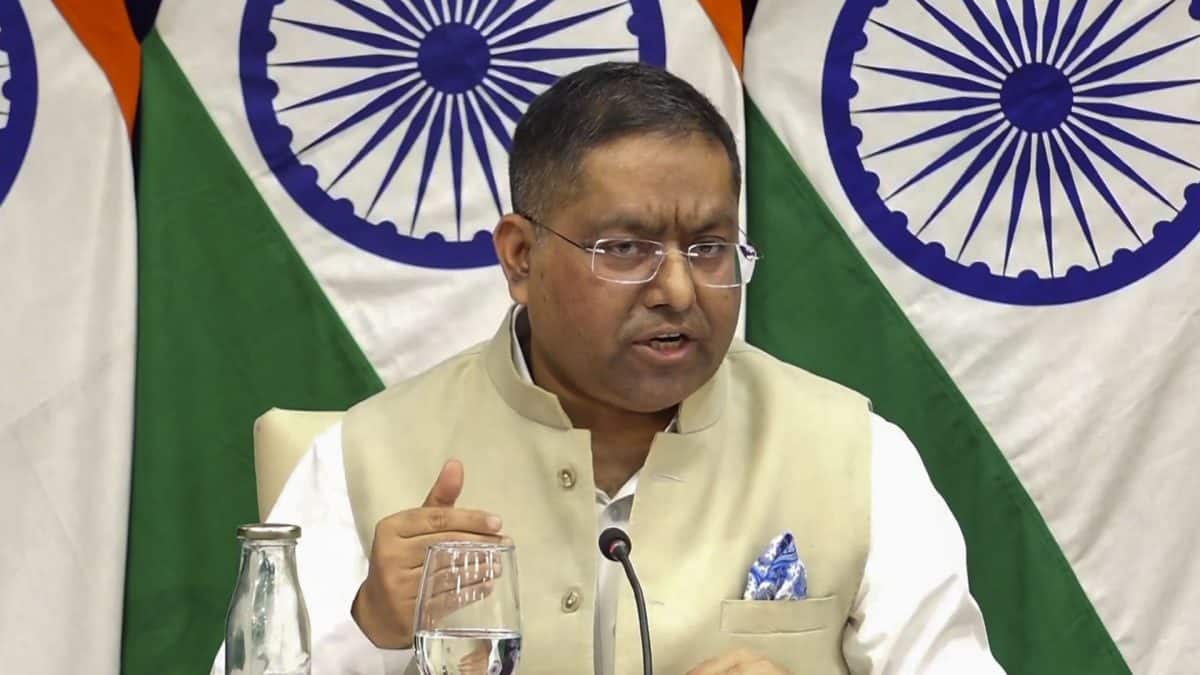
India hits back at UN racial discrimination report, calls references ‘highly malicious’
India Rejects UN racial Discrimination Panel’s Remarks As ‘Politically Motivated, Highly Malicious’