

Archive · 18 Dec 2025
Japan Citizens Sue Government Over Climate Inaction
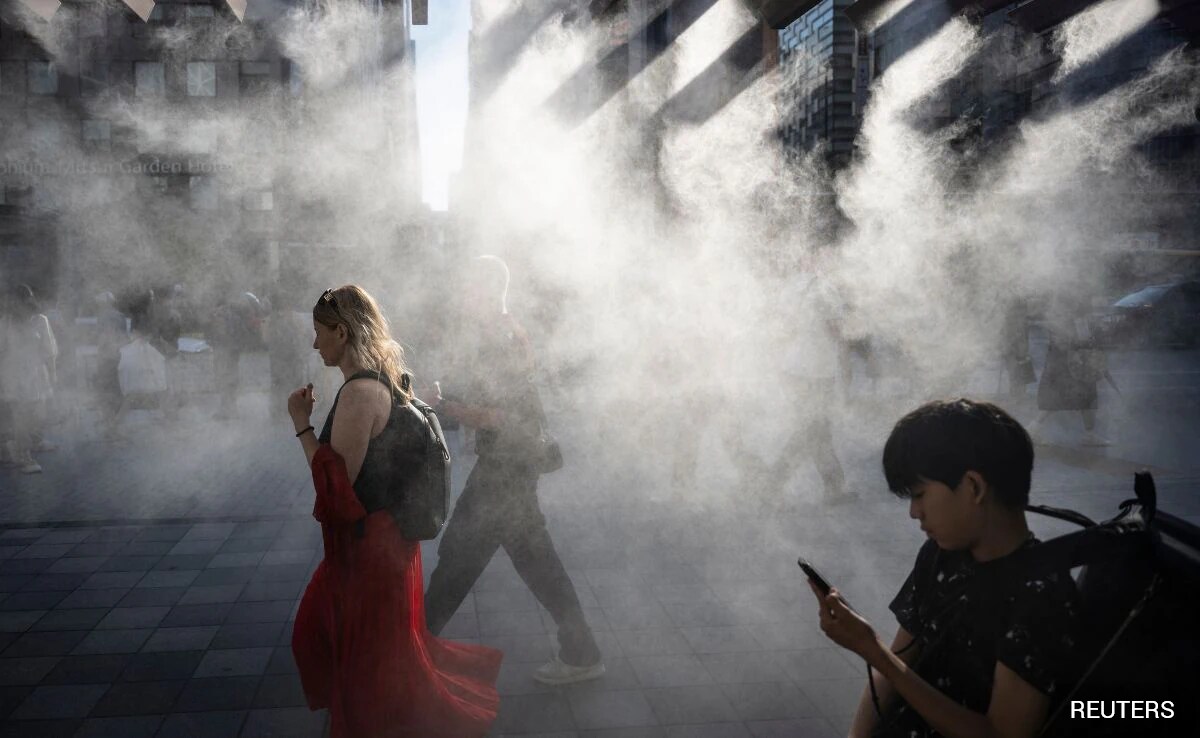
A group of 450 people in Japan are suing their government because they believe the government is not doing enough to stop climate change.
They say the hot weather is making it hard for workers like Kiichi Akiyama to do their jobs and is even dangerous for children like Saito's son, who can't play outside safely.
The plaintiffs want the government to take more responsibility and are asking for a small amount of money as damages.
This is the first time people in Japan are suing the government directly for not acting on climate change.
Other countries, like South Korea and Germany, have had similar lawsuits that succeeded.
The plaintiffs hope this lawsuit will make more people aware of the problem.

450 Japanese citizens are suing the government for 'unconstitutional' inaction on climate change.
Plaintiffs argue that extreme heat is causing economic losses and health risks.
The lawsuit seeks 1,000 yen ($6.5) in damages per plaintiff, focusing on government responsibility rather than monetary compensation.
Japan's emission reduction targets are criticized as insufficient and not legally binding.
Similar lawsuits have succeeded in South Korea and Germany, raising awareness and prompting policy changes.
- Who
- 450 Japanese citizens, including construction worker Kiichi Akiyama and mother Saito
- What
- A lawsuit against the Japanese government for inadequate climate action
- When
- Thursday (specific date not mentioned)
- Where
- Japan
- Why
- Plaintiffs claim the government's inaction violates their constitutional rights and causes economic and health issues
- Number of Plaintiffs
- 450
- Damages Sought per Plaintiff
- 1,000 yen ($6.5)
- Japan's Emission Reduction Target (2035)
- 60%
- Japan's Emission Reduction Target (2040)
- 73%
- Base Year for Emission Targets
- 2013
- Plaintiffs' Primary Concern
- Government's inadequate climate action
- Legal Basis for Suit
- Violation of constitutional rights to a peaceful life and stable climate
- Global Context
- Similar lawsuits have succeeded in South Korea and Germany