

Archive · 27 Jan 2026
Four Trends to Combat Antibiotic Resistance
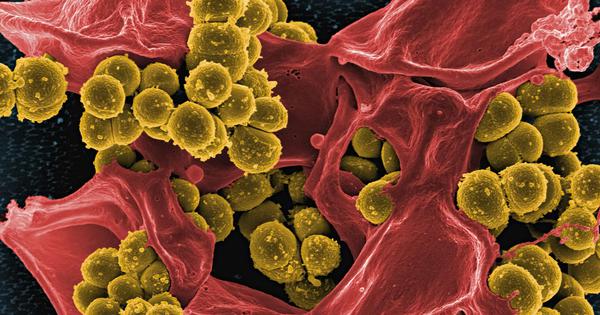
Antibiotic resistance is a big problem.
It happens when bacteria change and become resistant to the medicines meant to kill them.
This makes it harder to treat infections and can make simple surgeries risky.
There are four big trends that might help fight this problem.
First, new technology can help doctors find the right bacteria faster, so they can use the right medicine quicker.
Second, scientists are looking at new ways to fight bacteria, like using viruses that attack bacteria or special gene-editing tools.
Third, antibiotic resistance isn't just a hospital problem; it spreads in nature and through animals and the environment.
Finally, there are new ideas to make sure drug companies can keep making new antibiotics.
These trends give hope that we can fight antibiotic resistance if we act quickly.

Antibiotic resistance is a growing threat, with over 2.8 million illnesses in the US and nearly 5 million deaths globally each year.
Four major trends include faster diagnostics, nontraditional therapies, addressing resistance outside hospitals, and future treatments.
New technology can identify bacterial pathogens and effective antibiotics in hours, reducing the need for broad-spectrum antibiotics.
Researchers are exploring nontraditional therapies like bacteriophage therapy, microbiome-based treatments, and CRISPR-based antimicrobials.
Antibiotic resistance spreads through various environments, requiring a broader ecological and societal approach to combat it.
- Who
- Society, researchers, policymakers, and healthcare professionals
- What
- Four major trends to confront antibiotic resistance
- When
- The trends are expected to shape the coming decade
- Where
- Globally, with a focus on the US
- Why
- To combat the increasing threat of antibiotic resistance and preserve the effectiveness of lifesaving treatments
- Antibiotic-resistant illnesses in the US
- More than 2.8 million annually
- Global deaths linked to antimicrobial resistance
- Nearly 5 million annually
- Year antibiotics were introduced
- 1910
- Potential US government payment for antibiotics
- Up to $3 billion over 5-10 years
- Time for new diagnostics to identify bacteria
- Hours instead of days
- Example of nontraditional therapy
- Bacteriophage therapy
- Key ecological approach
- One Health
- Proposed payment model for antibiotics
- Subscription-style