

Archive · 4 Jan 2026
Awe Walking: Viral Technique for Natural Calm
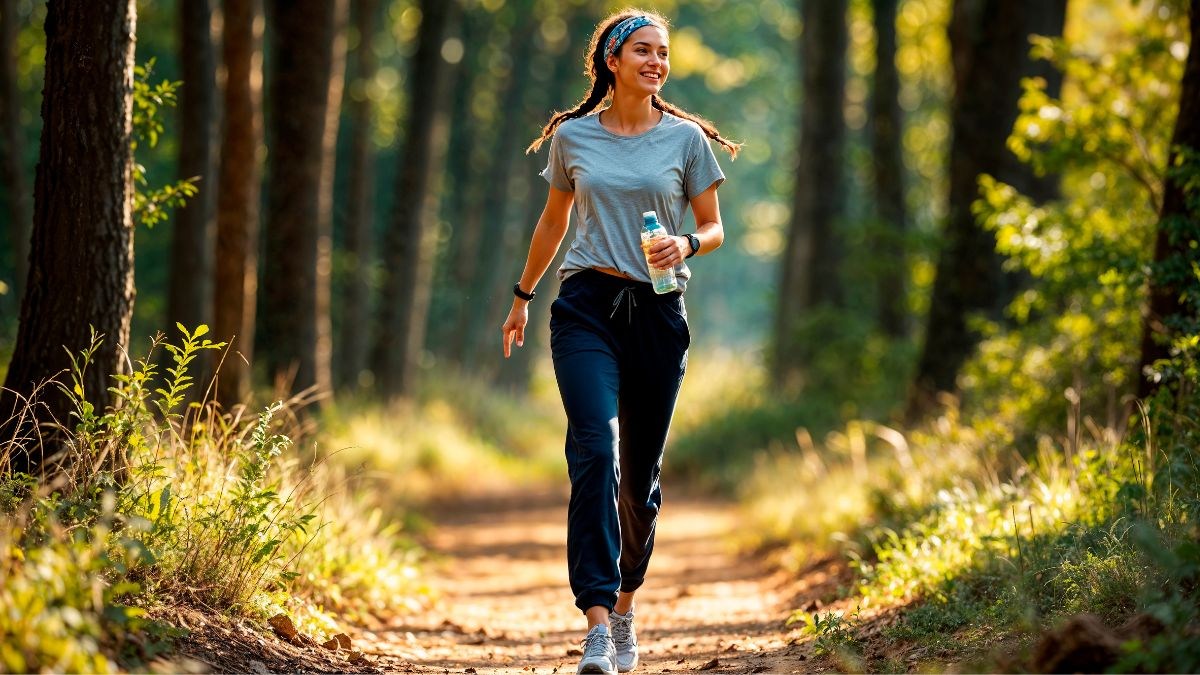
Awe walking is a special way of walking where you focus on noticing things around you, like flowers or sunsets.
A study found that older adults who did this felt less pain and stress.
They also started taking photos where they were not the main focus, showing they were less worried about themselves.
Simple things like nature, art, and kind gestures can make you feel awe.
This feeling helps your body and mind stay healthy by making you feel calmer and more connected to the world around you.

Awe walking focuses on observation and noticing surroundings during walks.
Study participants aged 75 and older reported reduced physical pain and emotional distress after eight weeks.
Awe walkers showed a psychological shift, placing themselves less prominently in photos.
Simple moments like nature, art, and kind gestures can trigger awe.
Regular awe experiences support overall health by reducing self-focus and enhancing emotional resilience.
- Who
- Dacher Keltner, professor of psychology at UC Berkeley, and his colleagues.
- What
- A study on the benefits of awe walks for older adults.
- When
- The study was conducted over an eight-week period.
- Where
- The study involved adults aged 75 and older.
- Why
- To explore the impact of awe walks on physical and emotional well-being.
- Definition
- Awe walking is a technique focusing on observation and noticing surroundings during walks.
- Benefits
- Reduces physical pain, emotional distress, and self-focused thoughts.
- Study Participants
- Adults aged 75 and older.
- Study Duration
- Eight weeks.
- Key Findings
- Increased awe, reduced pain, and psychological shift toward less self-focus.
- Awe Triggers
- Nature, art, music, moral beauty, and thought-provoking ideas.
- Physiological Impact
- Activates the vagus nerve, slows heart rate, supports digestion, and enhances social connections.