

Archive · 10 Aug 2026
Israel rejects Trump's Gaza plan; no pullout until Hamas disarms
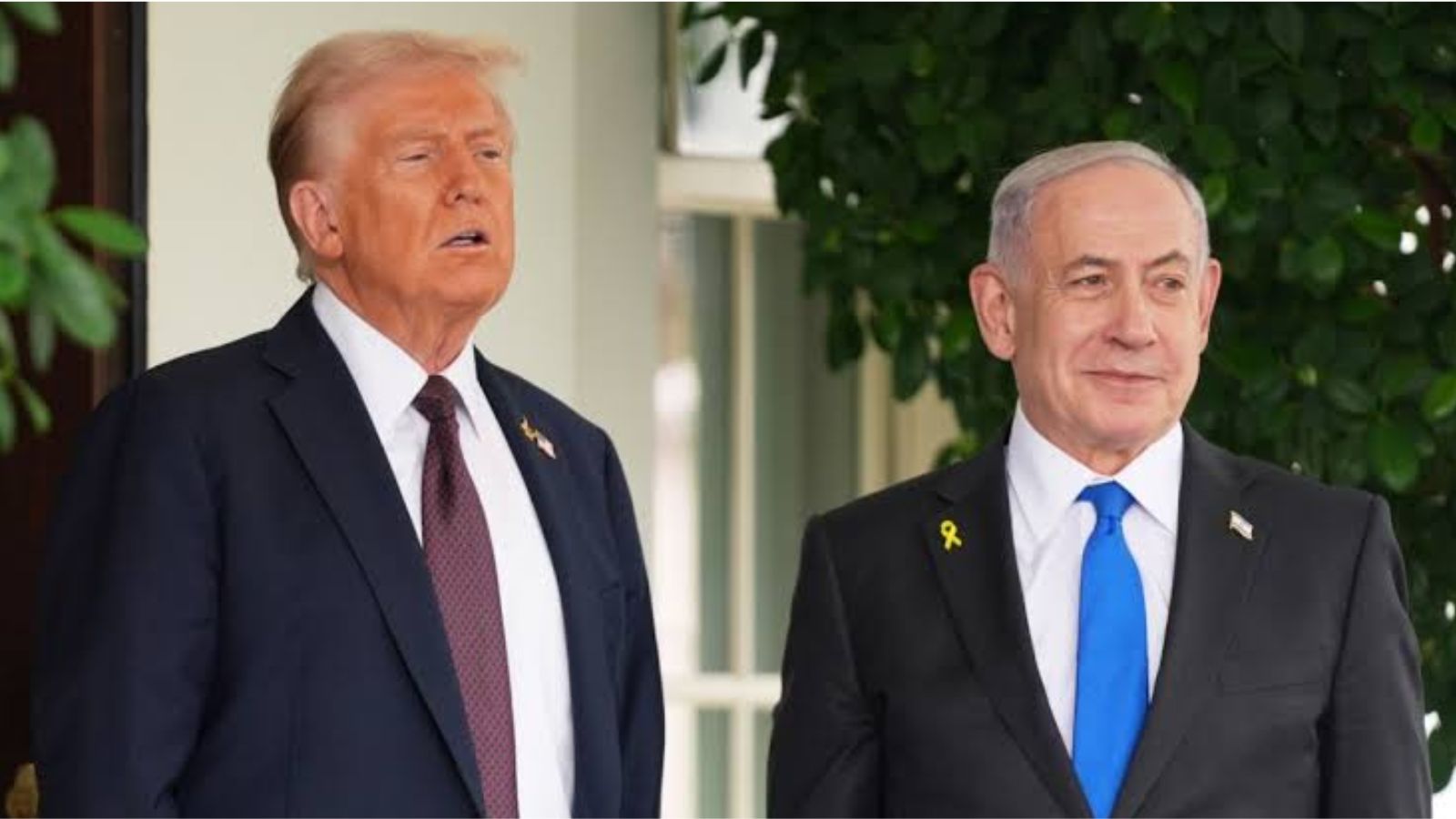
The United States made a peace plan to help stop the fighting in a place called Gaza.
Israel's leader, Mr. Netanyahu, said his soldiers will not leave Gaza until a group called Hamas gives up all its weapons.
Hamas said it still supports the peace plan and wants the United States to convince Israel to agree.
Meanwhile, in Yemen, rebels attacked a port city two times in one day and hurt at least seven people.
The same rebels also hit a big oil factory with a drone, which caught fire but no one was hurt.
In Iran, the leader chose a new person to be in charge of the country's security.
Iran and a nearby country called Oman are talking about letting ships pass through a very important waterway called the Strait of Hormuz.
Iran says the waterway will only fully reopen if the United States removes sanctions and pays for war damage.
Many world leaders are watching closely to see what happens next.

Israel rejected the US-proposed 15-point Gaza peace plan; Netanyahu told his Cabinet troops will not leave until Hamas fully disarms.
Hamas said it still supports the plan and expects the US and other mediators to pressure Netanyahu to follow through.
The White House has not publicly responded to Netanyahu's comments, though talks between Israel and the US continue.
Houthi rebels attacked Yemen's port city of Mocha twice in one day, killing at least seven people, and struck a Saudi Aramco refinery with a drone, causing a fire but no injuries.
Iran appointed Mohsen Rezaei as its new top security official and is reportedly near a temporary deal with Oman on fee-free passage through the Strait of Hormuz.
- Who
- Israeli Prime Minister Benjamin Netanyahu, Hamas, US President Donald Trump's administration, Houthi rebels in Yemen, and Iran's leadership under Supreme Leader Mojtaba Khamenei.
- What
- Israel rejected a US-proposed Gaza peace plan, demanding Hamas fully disarm before any troop withdrawal, while Houthi attacks and an Iranian security reshuffle unfolded in the region.
- When
- Around August 9-10, 2026; Israel's next election is set for October 27.
- Where
- Gaza, Israel, the United States, Yemen (the port city of Mocha and a Saudi Aramco refinery), Iran, and the Strait of Hormuz.
- Why
- Israel says it will not leave Gaza until Hamas disarms; Houthi attacks raised fears of Yemen's civil war restarting; Iran tied the Strait of Hormuz reopening to US sanctions and compensation demands.
Hamas & mediators
Israel's government
Gaza withdrawal conditions
Hamas & mediators
Hamas says it still supports the US peace plan and expects the US and other mediators to push Netanyahu to follow through.
Israel's government
Israel does not accept the 15-point plan and says troops will not leave Gaza until Hamas is fully disarmed.
Strait of Hormuz reopening
Hamas & mediators
Iran says the strait will not fully reopen until the US lifts sanctions, ends military threats, and compensates Iran for war damage.
Israel's government
The US has not responded directly to Iran's demands; a reported temporary Iran-Oman deal would allow fee-free passage of ships.
- US peace plan
- 15-point plan proposing Israeli troop pullback once Hamas gives up its weapons
- Israel's position
- No withdrawal until Hamas is fully disarmed; plan not accepted, talks with US ongoing
- Gaza control
- Israel currently controls more than half of Gaza, home to roughly 2 million people
- Houthi attacks
- Mocha port hit twice in one day killing at least 7; Saudi Aramco refinery drone strike caused a fire with no injuries
- Iran's new security chief
- Mohsen Rezaei, previously an adviser to the Supreme Leader and former Revolutionary Guard chief
- Strait of Hormuz
- Reported temporary Iran-Oman deal for fee-free passage; full reopening tied to US conditions
- Israel's next election
- October 27