

Archive · 6 Dec 2025
Kiyosaki Warns of BRICS Gold-Backed Currency
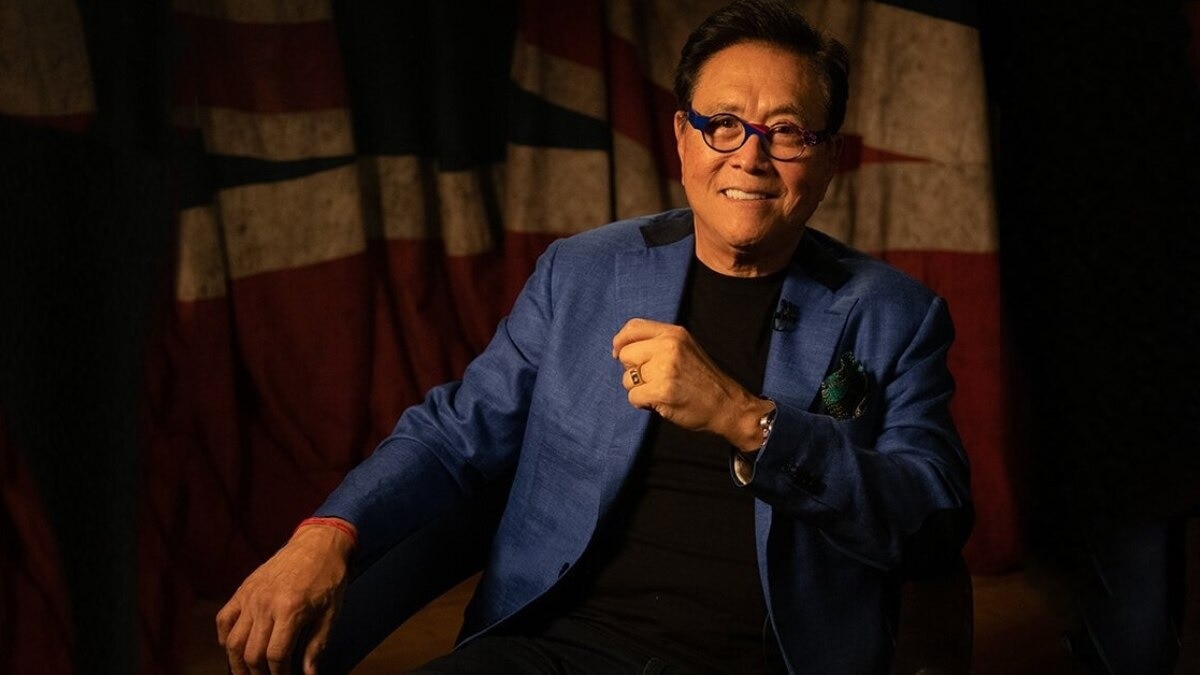
Robert Kiyosaki, a famous investor, has warned that the BRICS countries (Brazil, Russia, India, China, and South Africa) might introduce a new gold-backed currency called the UNIT.
He believes this could make the US dollar less valuable and has advised people to invest in gold, silver, and cryptocurrencies instead.
However, the BRICS nations have not officially announced any new currency and are still discussing the idea.
They want to reduce their dependence on the US dollar but are being careful not to rush into anything.
Kiyosaki is known for predicting financial downturns, but his claims sometimes go beyond what is actually happening in global finance.

Robert Kiyosaki warns of a potential BRICS gold-backed currency called the UNIT, predicting the US dollar's decline.
Kiyosaki advises investing in gold, silver, Bitcoin, and Ether as hedges against US dollar instability.
BRICS nations have not officially launched a gold-backed currency but are discussing a gold-linked payment mechanism.
Russian President Vladimir Putin emphasizes caution, stating that rushing into a common currency could lead to mistakes.
BRICS aims to reduce reliance on the US dollar and mitigate geopolitical risks through alternative financial systems.
- Who
- Robert Kiyosaki, BRICS nations (Brazil, Russia, India, China, South Africa)
- What
- Potential introduction of a gold-backed currency by BRICS, warnings about the US dollar's future
- When
- December 5, 2025 (Kiyosaki's post), ongoing discussions within BRICS
- Where
- Global, with focus on BRICS nations
- Why
- To reduce reliance on the US dollar and mitigate geopolitical risks
- BRICS Nations
- Brazil, Russia, India, China, South Africa
- Proposed Currency Name
- The UNIT
- Robert Kiyosaki's Warning
- US dollar savers may be biggest losers
- Kiyosaki's Recommended Investments
- Gold, silver, Bitcoin, Ether
- BRICS Official Stance
- No immediate plans for gold-backed currency
- Putin's Caution
- Rushing into a common currency could lead to serious mistakes