11 hrs ago
Punjab's New Midday Meal Portal Leaves Teachers Seeking Produce Bills
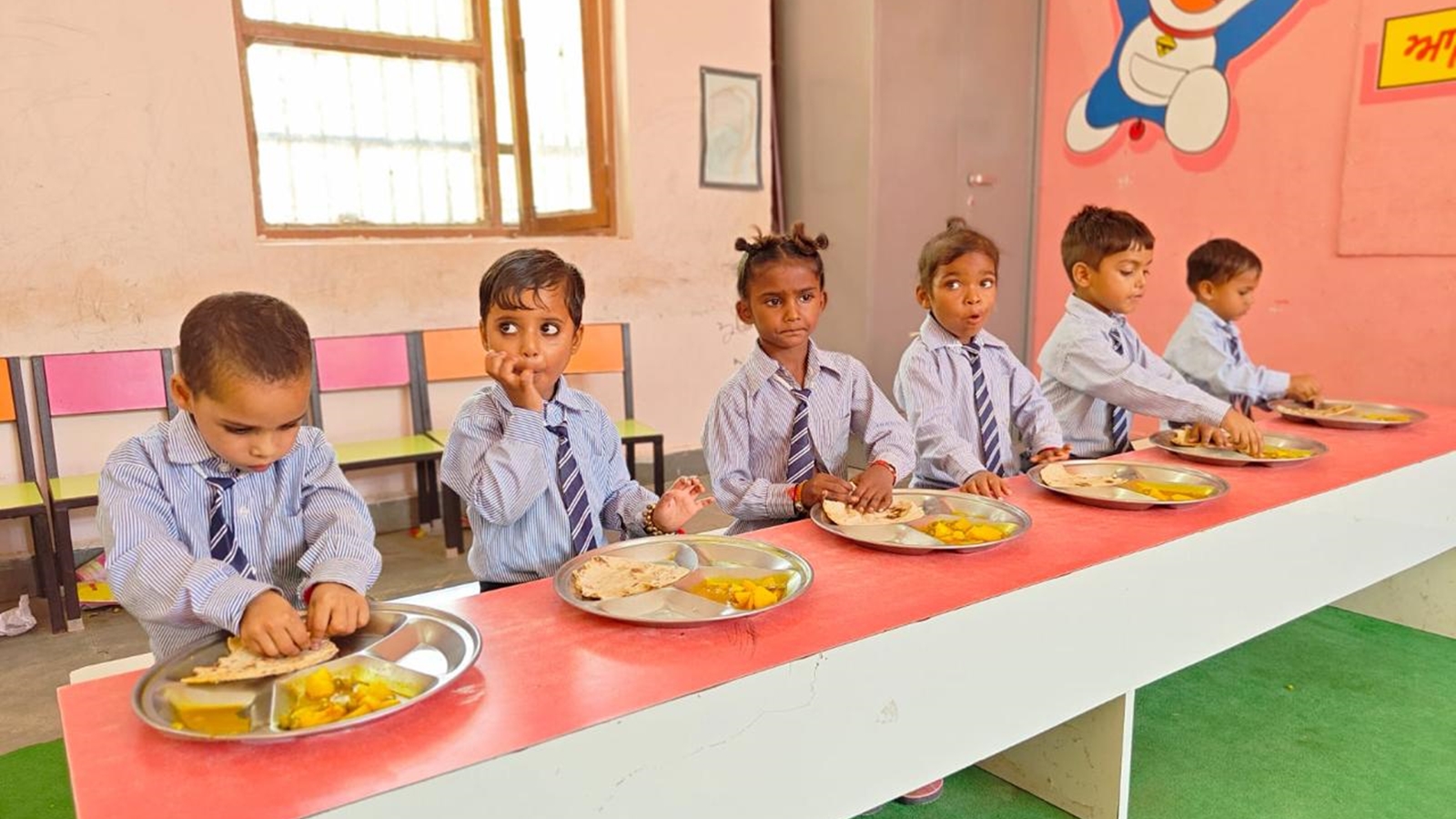
Punjab schools use government money to buy food for children.
A new online system called SNA-SPARSH has changed how that money is provided.
Teachers say they have not received cooking-cost money for four to five months.
They have often had to pay for vegetables, spices, oil and fruit themselves.
The system asks them to upload bills for everything they buy.
Small sellers of vegetables and fruit usually do not provide such bills.
Officials say the money has arrived and schools will be paid after the required bills are uploaded.
Authorities are still expected to clarify what kind of bills are acceptable for fruits and vegetables.

Punjab teachers say they have gone four to five months without cooking-cost reimbursements.
The SNA-SPARSH portal requires schools to upload bills for ingredients used in midday meals.
Vegetable and fruit sellers, especially in villages, often do not issue formal bills.
PM POSHAN provides Rs 6.78 per primary pupil and Rs 10.17 per upper-primary pupil daily.
Officials say funds have been received and reimbursements will begin after bills are uploaded.
- Who
- Punjab government school teachers, education officials and staff administering the PM POSHAN scheme.
- What
- A transition to the SNA-SPARSH portal has delayed midday-meal cooking-cost reimbursements and created new billing requirements.
- Where
- Government schools across Punjab, including districts such as Muktsar, Ludhiana and Ferozepur.
- When
- The portal transition began on August 14, and teachers reported delays of four to five months.
- Why
- Funds for centrally sponsored schemes are now released and reimbursed through SNA-SPARSH instead of the earlier Punjab Financial Management System.
Teachers and School Staff
Government Officials
Delay in reimbursements
Teachers and School Staff
Teachers say four to five months without cooking-cost payments has forced them to pay for groceries, fruits and vegetables from their own pockets.
Government Officials
Officials attribute the delay to the transition from the Punjab Financial Management System to SNA-SPARSH and say the budget has now been received.
Bills for fruits and vegetables
Teachers and School Staff
Teachers say roadside vendors and small rural sellers usually do not issue bills, making the portal requirements difficult to meet.
Government Officials
Officials say GST bills are required for groceries, while they are awaiting clearer instructions for fruits and vegetables; some form of bill with the seller's name and amount may still be required.
Cost of compliance
Teachers and School Staff
Teachers say obtaining GST bills could raise prices and increase their financial burden, especially when the fruit allowance is only Rs 5 per child per week.
Government Officials
The government says reimbursements must be processed through the new portal and the required bills must be uploaded before payments are made.
Key facts
- Funding split
- The PM POSHAN scheme is funded 60% by the Centre and 40% by the state.
- Primary cooking cost
- Rs 6.78 per child per day for UKG through Class 5.
- Upper-primary cooking cost
- Rs 10.17 per child per day for Classes 6 through 8.
- Fruit allowance
- Punjab provides Rs 5 per child per week for seasonal fruits, typically bananas.
- Portal requirement
- Schools must upload bills for ingredients, preferably with GST, before reimbursement.
- Food grains
- Government agencies supply food grains directly to schools.
- Administrative status
- Officials said the budget has been received and payments will begin after bills are uploaded.
Quotes
An unnamed Ludhiana teacher
Government school teacher from Ludhiana
“It has been clarified that GST bills are required for groceries, but for fruits and vegetables, we are waiting for clearer instructions. Even if the GST condition is removed, bills with proper firm names and amounts will still be required.”
 indianexpress.com
“The bigger problem is for fruits, which we mostly buy from local sellers. The budget is just Rs 5 per child and we are already buying bananas at Rs 7 to 8 apiece, the extra cost is paid by teachers from their own pockets.”
indianexpress.com
Sources
Related news

Bengal Says Mid-Day Meal Payments Cleared After Portal Issue
PMK Condemns Headmasters’ Alleged Costs for Tamil Nadu Breakfast Scheme
Uttar Pradesh Raises Cooks’ Honorarium Under PM Poshan
Gujarat Launches Seva Samadhan Portal for Teachers’ Service Matters
Punjab Deploys Teachers for Ration Card Verification Before Exams

SFJ Expands Punjab Poster Campaign Ahead of Assembly Elections

Hockey India Faces Leadership Clash Over Jersey and League Restructuring

Pakistan Confirms Asian Champions Trophy Attendance, India Clash Set
Punjab Engineer Suspended Over Comment on Chief Minister