

Archive · 26 Jan 2026
Experts Question Reliability of Sleep Trackers
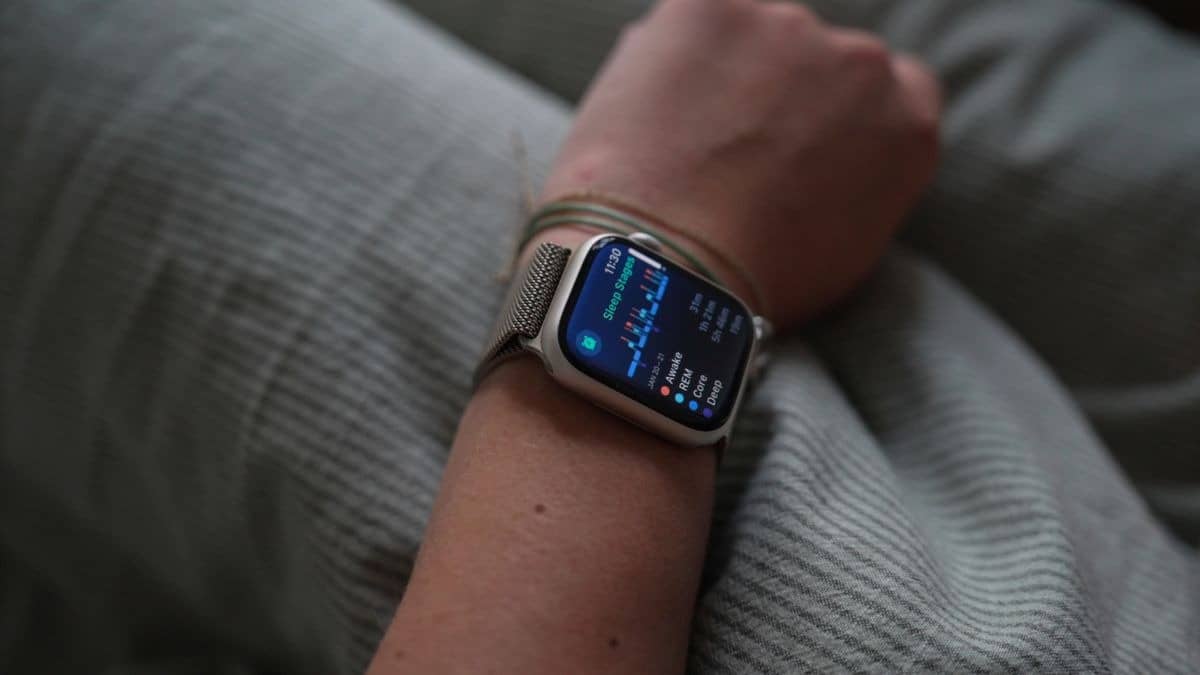
Lots of people use smartwatches and other gadgets to track their sleep.
These devices measure things like your heart rate and movement to guess how well you're sleeping.
Experts say they're pretty good at telling when you're asleep, but not as accurate as special lab tests for figuring out different types of sleep.
Some doctors think these trackers can help people see sleep patterns over time, but they shouldn't worry too much about one night's results.
The devices can help people improve their sleep habits, like going to bed earlier or not drinking alcohol.
But for some people, focusing too much on their sleep scores can cause stress.
Scientists are working on ways these devices could help detect health problems in the future, like infections or depression.

Sleep trackers infer sleep stages from heart rate and movement, not direct measurement.
Experts agree they're good for tracking trends but not definitive for single nights.
Some users improve habits (like reducing alcohol) based on tracker data.
Over-focusing on sleep scores can cause anxiety (called orthosomnia).
Future potential includes detecting infections and monitoring mental health.
- Who
- Millions of people using sleep trackers, experts like Daniel Forger and Dr. Chantale Branson
- What
- Sleep trackers' reliability and potential benefits/risks
- When
- Current trends and future potential of sleep trackers
- Where
- Global market, with specific examples from the US
- Why
- To understand the limitations and proper use of sleep trackers
- Market Size
- $5 billion in 2023, expected to double by 2030
- Measurement Method
- Infer sleep stages from heart rate and movement
- Expert Opinion on Accuracy
- Good for sleep trends, not definitive for single nights
- Potential Future Uses
- Detect infections, monitor mental health
- Potential Negative Impact
- Can cause anxiety (orthosomnia)