

Archive · 27 Jul 2026
Election Campaigning: From Soulful Democracy to Data-Driven Politics
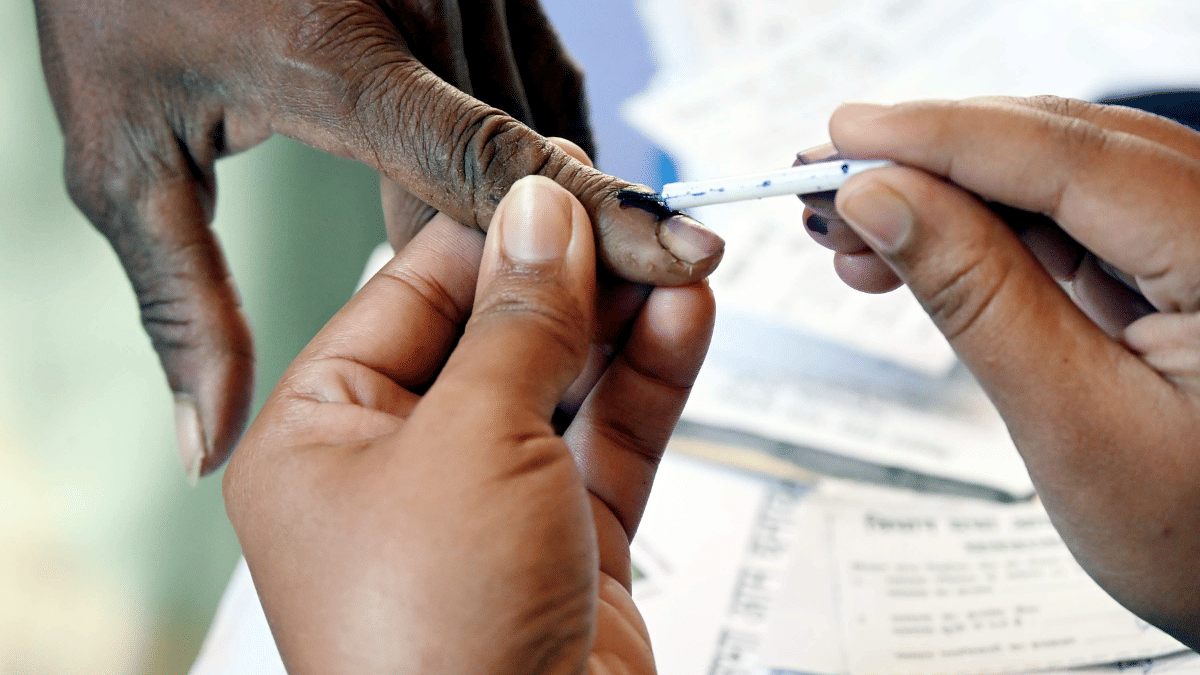
Election campaigning in India has changed a lot over the years.
In the past, campaigns were personal and focused on important issues like jobs and education.
Candidates would travel to villages and talk to people directly.
But now, campaigns are more about data and money.
Political parties use technology and social media to target voters with specific messages.
This has made elections very expensive, and candidates are often chosen based on how much money they can spend.
Voters are also influenced by digital messages and slogans, which can sometimes be manipulative.
The author suggests that elections should go back to being about ideas and integrity rather than money and data.

Early campaigns were personal and community-centric, focusing on issues like employment and education.
Reforms in the mid-1990s introduced spending limits but money power grew stronger.
The 2014 election marked a shift to data-driven campaigning with social media and analytics.
Modern campaigns are expensive and influenced by financial capabilities.
Voters are influenced by sophisticated campaigns and digital narratives, sometimes leading to manipulation.
- Who
- Indian political parties and voters.
- What
- Transformation of election campaigning from personal and community-centric to data-driven and expensive.
- When
- Significant changes observed from the mid-1990s to the 2014 election and beyond.
- Where
- India.
- Why
- Due to technological advancements, financial influence, and the rise of data analytics in politics.
Traditional Campaigning
Modern Campaigning
Focus of Campaigns
Traditional Campaigning
Focused on ideas, community engagement, and personal connections.
Modern Campaigning
Focused on data analytics, targeted messaging, and financial influence.
Role of Money
Traditional Campaigning
Minimal influence of money; campaigns were community-funded and personal.
Modern Campaigning
Significant influence of money; campaigns are expensive and require substantial funding.
Voter Engagement
Traditional Campaigning
Voters engaged through personal interactions and community events.
Modern Campaigning
Voters engaged through digital platforms and targeted messages.
- Early Campaigning
- Personal, community-centric, focused on issues like employment and education.
- Mid-1990s Reforms
- Introduced spending limits and anti-bribery measures, but money power grew.
- 2014 Election
- Marked the beginning of data-driven campaigning with social media and analytics.
- Current Campaigning
- Expensive, data-driven, and influenced by financial capabilities.
- Voter Influence
- Voters influenced by sophisticated campaigns and digital narratives.