

Archive · 26 Jan 2026
India's Judicial Delays: A Constitutional Failing
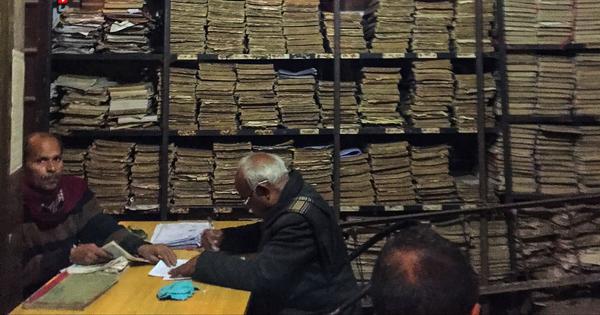
India has a big problem with court delays.
There are over 5.34 crore cases waiting to be heard, which is a lot!
The reasons for these delays include not having enough lawyers, missing important papers, or higher courts stopping cases.
For regular people, these delays are more than just an inconvenience; they feel like the government is making its presence known in their daily lives.
The delays can make people feel like they are not being treated equally or fairly, which goes against what the Indian Constitution promises.
The courts have tried to fix this, but they mostly see it as a problem of not having enough resources.
However, the author thinks that these delays are actually a big deal and should be seen as a violation of people's rights.
The author wants the courts to recognize that waiting for justice is not just an inconvenience, but a serious issue that needs to be fixed.

Over 5.34 crore cases are pending across Indian courts as of September.
Reasons for delays include lack of counsel, missing witnesses/documents, and stays by higher courts.
Judicial delays are seen as more than administrative failures; they are experienced as a form of state power.
Delays can violate constitutional rights such as equality, liberty, and the right to seek remedies.
The judiciary often views delays as capacity issues rather than constitutional violations.
- Who
- Indian citizens and the judiciary
- What
- Judicial delays and their constitutional implications
- When
- As of September, with ongoing issues
- Where
- Across Indian courts
- Why
- Due to systemic issues and administrative failures
- Pending Cases
- 5.34 crore as of September
- Reasons for Backlog
- No available counsel, missing witnesses/documents, stays by higher courts
- Constitutional Articles Affected
- Articles 14, 21, 32
- Impact of Delays
- Personal, economic, psychological toll on individuals
- Judicial Response
- Acknowledged backlogs but rarely treated as rights violations